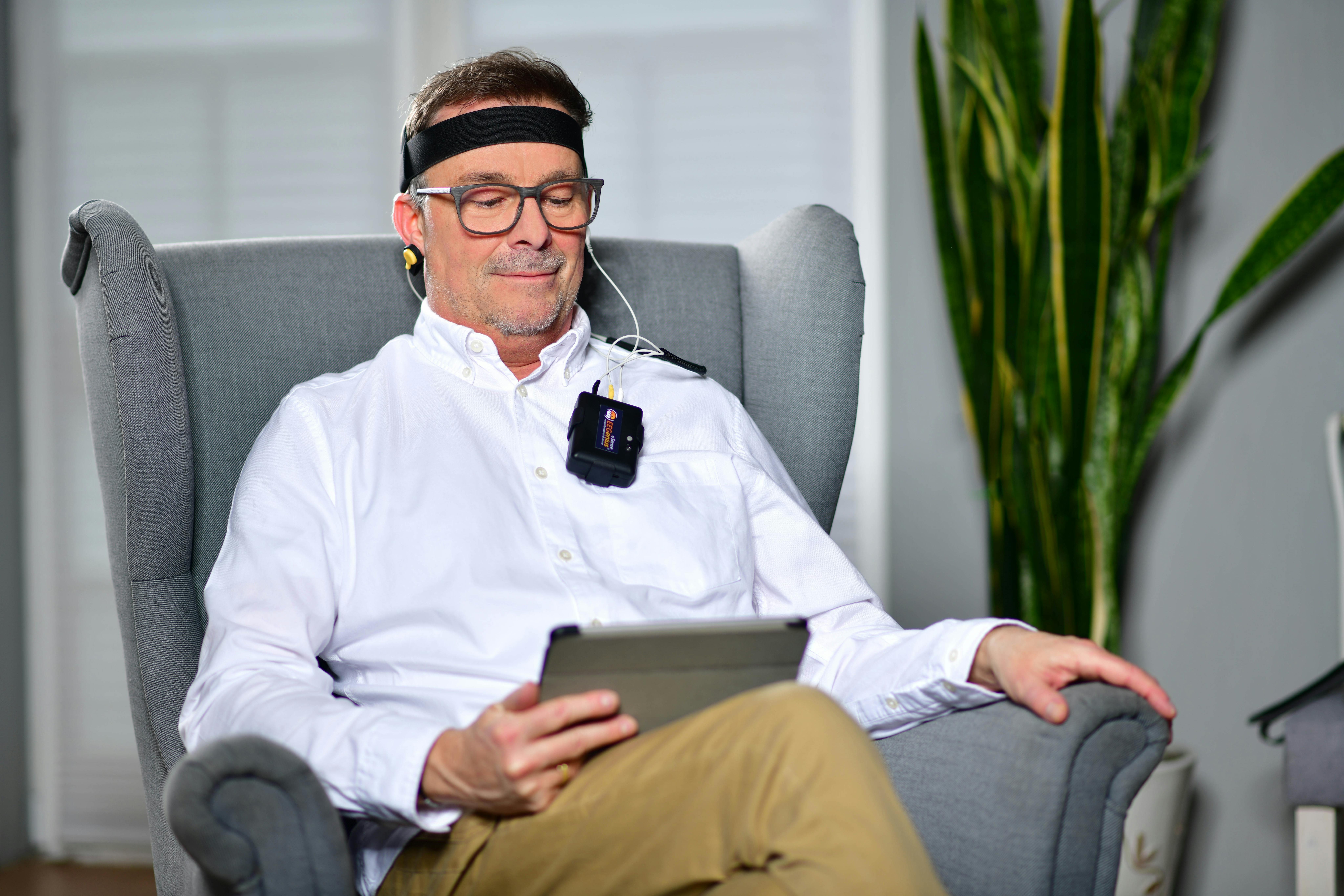
Cardiac coherence monitoring is revolutionizing how we understand and manage stress, emotional wellbeing, and overall heart health through measurable biometric data.

In our fast-paced world, stress has become an unwelcome companion for millions of people. We rush through our days, juggling responsibilities, dealing with uncertainties, and often neglecting the subtle signals our bodies send us. But what if you could tune into your heart’s natural rhythm and use it as a powerful tool to reduce stress, enhance emotional balance, and improve your overall health? That’s exactly what cardiac coherence monitoring offers—a scientifically-backed approach to wellness that puts the power of your heartbeat at your fingertips.
This comprehensive guide will explore the fascinating world of cardiac coherence, explain how monitoring your heart’s rhythm can transform your wellbeing, and provide practical strategies for incorporating this powerful technique into your daily life. Whether you’re dealing with chronic stress, seeking better emotional regulation, or simply curious about optimizing your health, understanding cardiac coherence could be the game-changer you’ve been searching for.
🫀 Understanding Cardiac Coherence: More Than Just a Heartbeat
Cardiac coherence refers to a state where your heart rhythm pattern becomes smooth, ordered, and stable—resembling gentle, regular waves rather than erratic, jagged peaks. This physiological state reflects a harmonious balance between your sympathetic nervous system (responsible for fight-or-flight responses) and your parasympathetic nervous system (responsible for rest-and-digest functions).
Unlike your heart rate, which simply measures how many times your heart beats per minute, cardiac coherence examines the variability between consecutive heartbeats. This measurement, known as heart rate variability or HRV, provides profound insights into your nervous system’s flexibility and your body’s ability to adapt to stress.
When you achieve cardiac coherence, your heart, brain, and nervous system synchronize, creating an optimal physiological state that enhances cognitive function, emotional stability, and physical health. Research from the HeartMath Institute and other leading organizations has demonstrated that this state promotes reduced cortisol levels, improved immune function, and enhanced mental clarity.
The Science Behind Heart Rhythm Patterns
Your heart doesn’t beat like a metronome—and that’s actually a good thing. Healthy hearts display natural variability in the time intervals between beats. This variability is controlled by your autonomic nervous system, which constantly adjusts your heart rate in response to breathing, thoughts, emotions, and environmental factors.
When you’re stressed, anxious, or experiencing negative emotions, your heart rhythm pattern becomes irregular and chaotic. Conversely, when you’re calm, focused, or experiencing positive emotions, your heart rhythm becomes more coherent and organized. This isn’t just correlation—your heart rhythm pattern actually influences your brain function and emotional state through neural pathways connecting your heart and brain.
💪 The Transformative Benefits of Cardiac Coherence Practice
Regularly practicing cardiac coherence techniques and monitoring your progress delivers a remarkable array of benefits that extend far beyond simple stress reduction. These advantages are supported by numerous scientific studies and real-world experiences from thousands of practitioners worldwide.
Stress Reduction and Emotional Resilience
Perhaps the most immediate and noticeable benefit of cardiac coherence practice is its powerful effect on stress levels. By consciously creating coherent heart rhythms through specific breathing techniques, you activate your parasympathetic nervous system, which counteracts the stress response. Regular practitioners report feeling calmer, more centered, and better equipped to handle challenging situations without becoming overwhelmed.
This isn’t temporary relaxation—it’s building genuine resilience. Each practice session strengthens your ability to self-regulate emotions and maintain composure under pressure. Over time, you develop what researchers call “emotional flexibility,” the capacity to experience emotions without being controlled by them.
Enhanced Cognitive Performance
Achieving cardiac coherence doesn’t just calm your emotions—it sharpens your mind. Studies have shown that coherent heart rhythms enhance cognitive functions including attention, memory, problem-solving, and decision-making. When your autonomic nervous system is balanced, your brain receives consistent, rhythmic neural input that facilitates clearer thinking and improved mental performance.
Many professionals, students, and athletes use cardiac coherence techniques before important presentations, exams, or competitions to achieve peak mental states. The practice helps quiet mental chatter, reduce performance anxiety, and access creative problem-solving abilities that stress typically suppresses.
Physical Health Improvements
The benefits of cardiac coherence extend into physical health in meaningful ways. Regular practice has been associated with:
- Improved cardiovascular function and reduced blood pressure
- Enhanced immune system response
- Better sleep quality and reduced insomnia
- Decreased inflammation markers
- Improved hormonal balance, including reduced cortisol
- Better digestion and reduced gastrointestinal issues
- Reduced chronic pain perception
These physical improvements occur because cardiac coherence helps restore balance to your autonomic nervous system, which regulates virtually every automatic function in your body. When this system functions optimally, your entire physiology works more efficiently.
📱 Modern Technology Meets Ancient Wisdom
While the concept of heart-focused breathing and emotional regulation has roots in ancient contemplative practices, modern technology has made cardiac coherence more accessible and measurable than ever before. Today’s monitoring devices and applications allow you to see your heart rhythm patterns in real-time, providing immediate biofeedback that accelerates learning and deepens practice.
How Cardiac Coherence Monitoring Works
Cardiac coherence monitoring typically involves using a sensor that detects your heartbeat—either through a chest strap, finger sensor, or increasingly through photoplethysmography (PPG) technology built into smartphones and smartwatches. This sensor captures the precise timing between consecutive heartbeats, measuring heart rate variability with millisecond accuracy.
The data is then processed by algorithms that analyze your heart rhythm pattern and display it visually, often as a waveform on your device screen. Most applications also calculate a coherence score, showing you in real-time whether you’re achieving a coherent state. This immediate feedback is invaluable because it helps you understand which breathing patterns, mental focuses, and emotional states produce coherence.
Choosing the Right Monitoring Tools
The market offers various options for cardiac coherence monitoring, ranging from professional-grade biofeedback systems to smartphone applications. When selecting monitoring tools, consider factors such as accuracy, ease of use, feedback quality, and additional features like guided exercises or progress tracking.
Several reputable applications have emerged specifically designed for cardiac coherence training. These apps typically include guided breathing exercises, coherence measurement, session tracking, and educational content about the science and practice of cardiac coherence.
When beginning your cardiac coherence journey, start with tools that provide clear visual feedback and structured guidance. As you become more experienced, you may find you can achieve coherent states without constant monitoring, using the technology periodically to verify your progress and refine your technique.
🌟 Mastering the Basic Cardiac Coherence Technique
The fundamental cardiac coherence technique is beautifully simple, yet profoundly effective. At its core, it involves breathing at a specific pace while focusing attention on your heart area and generating positive emotions. This combination creates the optimal conditions for coherent heart rhythms to emerge.
The 365 Method: Your Foundation Practice
The most widely taught cardiac coherence protocol is known as the “365 method”—practice for 3 times per day, breathing at 6 breaths per minute, for 5 minutes each session. This specific breathing rate (6 breaths per minute) corresponds to breathing in for approximately 5 seconds and out for 5 seconds, creating 10-second breathing cycles.
This particular breathing frequency appears to be a “resonant frequency” for the human cardiovascular system, optimally stimulating the baroreflex—a mechanism that helps regulate blood pressure and autonomic balance. At this breathing rate, your heart rate variability naturally increases and your heart rhythm pattern tends to become coherent.
Step-by-Step Practice Guide
To practice basic cardiac coherence, follow these steps:
- Find a comfortable position: Sit in a chair with your back supported, feet flat on the floor, and hands resting comfortably. You can also practice lying down or standing, though sitting is generally recommended for beginners.
- Focus on your heart area: Bring your attention to the center of your chest, where your heart is located. Some people find it helpful to place a hand over their heart initially.
- Begin rhythmic breathing: Breathe slowly and deeply, inhaling for approximately 5 seconds and exhaling for approximately 5 seconds. Make your breathing smooth and natural—don’t strain or force it.
- Engage positive emotion: As you breathe, recall a positive feeling, memory, or person that naturally brings warmth to your heart. This could be gratitude, appreciation, care, or compassion. Don’t force the feeling; simply allow it to arise gently.
- Maintain the practice: Continue this heart-focused breathing with positive emotion for 5 minutes, using your monitoring device to observe your heart rhythm pattern and coherence score if available.
Initially, achieving coherence may require concentration and feel somewhat effortful. With regular practice, however, the state becomes increasingly natural and accessible. Many practitioners report that after several weeks of consistent practice, they can shift into coherence within just a few breaths, even in challenging situations.
🔄 Integrating Cardiac Coherence Into Daily Life
While formal practice sessions are valuable, the real power of cardiac coherence emerges when you integrate the technique into your everyday routine. The goal is not just to achieve coherence during practice sessions, but to increase your baseline coherence throughout the day and access coherent states whenever needed.
Strategic Practice Times
Consider scheduling your cardiac coherence practice at these optimal times:
- Morning: Begin your day with coherence to set a positive physiological and emotional tone
- Midday: Practice during lunch or a work break to reset from morning stress and prepare for afternoon activities
- Evening: Use coherence practice to transition from work mode to personal time and promote better sleep
- Before challenging situations: Practice before meetings, presentations, difficult conversations, or any stressful event
- During stressful moments: Apply quick coherence techniques whenever you notice stress rising
Quick Coherence Technique for Busy Moments
When you don’t have five minutes for a full session, use this abbreviated “Quick Coherence” technique that takes just one to two minutes:
Focus your attention on your heart area and breathe slightly deeper than normal. As you breathe, imagine the air flowing in and out through your heart or chest area. Activate a positive feeling—appreciation, care, or compassion—and maintain this heart-focused breathing with positive emotion for 1-2 minutes. Even this brief practice can significantly shift your physiological state.
📊 Tracking Progress and Measuring Success
One of the significant advantages of cardiac coherence monitoring is the ability to track your progress objectively over time. Most monitoring applications maintain logs of your practice sessions, coherence scores, and other relevant metrics, allowing you to see patterns and improvements.
Key Metrics to Monitor
When tracking your cardiac coherence journey, pay attention to these important indicators:
- Coherence scores: Average scores during practice sessions should gradually improve
- Time to coherence: How quickly you can achieve coherent states should decrease with practice
- Baseline HRV: Your resting heart rate variability measured at consistent times should increase
- Practice consistency: Regular daily practice produces cumulative benefits
- Subjective wellbeing: Track your perceived stress levels, mood, sleep quality, and overall health
Remember that progress isn’t always linear. Some days will feel easier than others, and that’s completely normal. What matters is the overall trend over weeks and months, not the variation between individual sessions.
💡 Advanced Applications and Specialized Uses
Once you’ve established a basic cardiac coherence practice, you can explore more advanced applications tailored to specific goals or circumstances.
Cardiac Coherence for Performance Enhancement
Athletes, performers, and professionals increasingly use cardiac coherence techniques to achieve optimal performance states. Pre-performance coherence practice helps reduce anxiety, sharpen focus, and access “flow states” where performance feels effortless and optimal. Many Olympic athletes and professional sports teams now incorporate HRV training and cardiac coherence into their preparation routines.
Supporting Mental Health and Emotional Healing
Cardiac coherence has shown promise as a complementary approach for various mental health conditions, including anxiety disorders, depression, PTSD, and emotional trauma. The practice provides a body-based regulation tool that complements traditional therapeutic approaches. Many therapists now integrate cardiac coherence biofeedback into their treatment protocols.
Relationship and Communication Enhancement
Practicing cardiac coherence before important conversations or during conflicts can significantly improve communication quality. The coherent state promotes clearer thinking, better listening, reduced reactivity, and increased empathy—all essential for healthy relationships. Some couples practice coherence together to enhance their emotional connection and navigate conflicts more constructively.
🌈 Creating Your Personalized Coherence Practice
While the basic cardiac coherence technique works well for most people, you can personalize your practice to maximize effectiveness and enjoyment. Experiment with different approaches to discover what resonates most deeply with you.
Some practitioners find that combining coherence breathing with gentle music enhances their practice. Others prefer complete silence. Some people respond best to nature-based positive emotions like appreciation for a beautiful landscape, while others connect more with feelings of love for family members or pets. The key is finding what genuinely generates positive feelings in your heart, as authenticity matters more than the specific content.
You might also explore extending practice sessions beyond five minutes as you become more experienced. Some advanced practitioners maintain coherent states for 15-20 minutes or longer, experiencing progressively deeper states of physiological and psychological harmony.
🚀 Overcoming Common Challenges and Obstacles
Like any new practice, cardiac coherence training comes with potential challenges. Understanding and addressing these obstacles will help you maintain consistent practice and achieve lasting results.
Many beginners struggle initially to generate authentic positive feelings, especially if they’re dealing with significant stress or emotional difficulties. If this occurs, start with simple appreciation for basic things—a comfortable chair, a meal, sunlight through a window. Even mild positive feelings are sufficient to begin shifting your heart rhythm pattern.
Others find the breathing pace challenging at first, either feeling breathless or finding the rhythm too slow. Remember that the breath should be comfortable and natural. If 5-second intervals feel uncomfortable, start with your natural breath and gradually slow it over several practice sessions until you reach the target pace.
Maintaining consistency poses another common challenge in our busy lives. Treat cardiac coherence practice like any other important health behavior—schedule it, set reminders, and link it to existing habits. Even practicing once daily provides significant benefits, so start with what’s sustainable rather than attempting an overly ambitious routine you can’t maintain.
✨ The Future of Cardiac Coherence and Heart-Brain Science
The field of cardiac coherence and heart rate variability research continues to evolve rapidly. Emerging research is exploring new applications in areas like pain management, immune function optimization, longevity, and cognitive enhancement. Advanced algorithms are being developed to provide even more precise and personalized biofeedback.
Wearable technology is making cardiac coherence monitoring increasingly seamless and accessible. Many fitness trackers and smartwatches now include HRV monitoring capabilities, and specialized coherence tracking is becoming more sophisticated. This technological evolution means that heart rhythm monitoring will likely become a standard component of preventive healthcare and wellness optimization.
As our understanding of the heart-brain connection deepens, cardiac coherence training may become as commonplace as exercise and meditation in comprehensive wellness programs. The simplicity, effectiveness, and scientific foundation of the practice position it well for widespread adoption across healthcare, education, workplace wellness, and personal development contexts.
By unlocking your heart’s rhythm through cardiac coherence monitoring and practice, you gain access to a powerful self-regulation tool that bridges ancient wisdom and modern science. This practice offers not just stress relief, but a pathway to enhanced resilience, improved health, and greater emotional intelligence. Whether you’re seeking to manage daily stress more effectively, enhance your performance, support your mental health, or simply optimize your wellbeing, cardiac coherence provides a practical, measurable, and scientifically-validated approach that puts the power of change literally in your own hands—or more accurately, in your own heart.