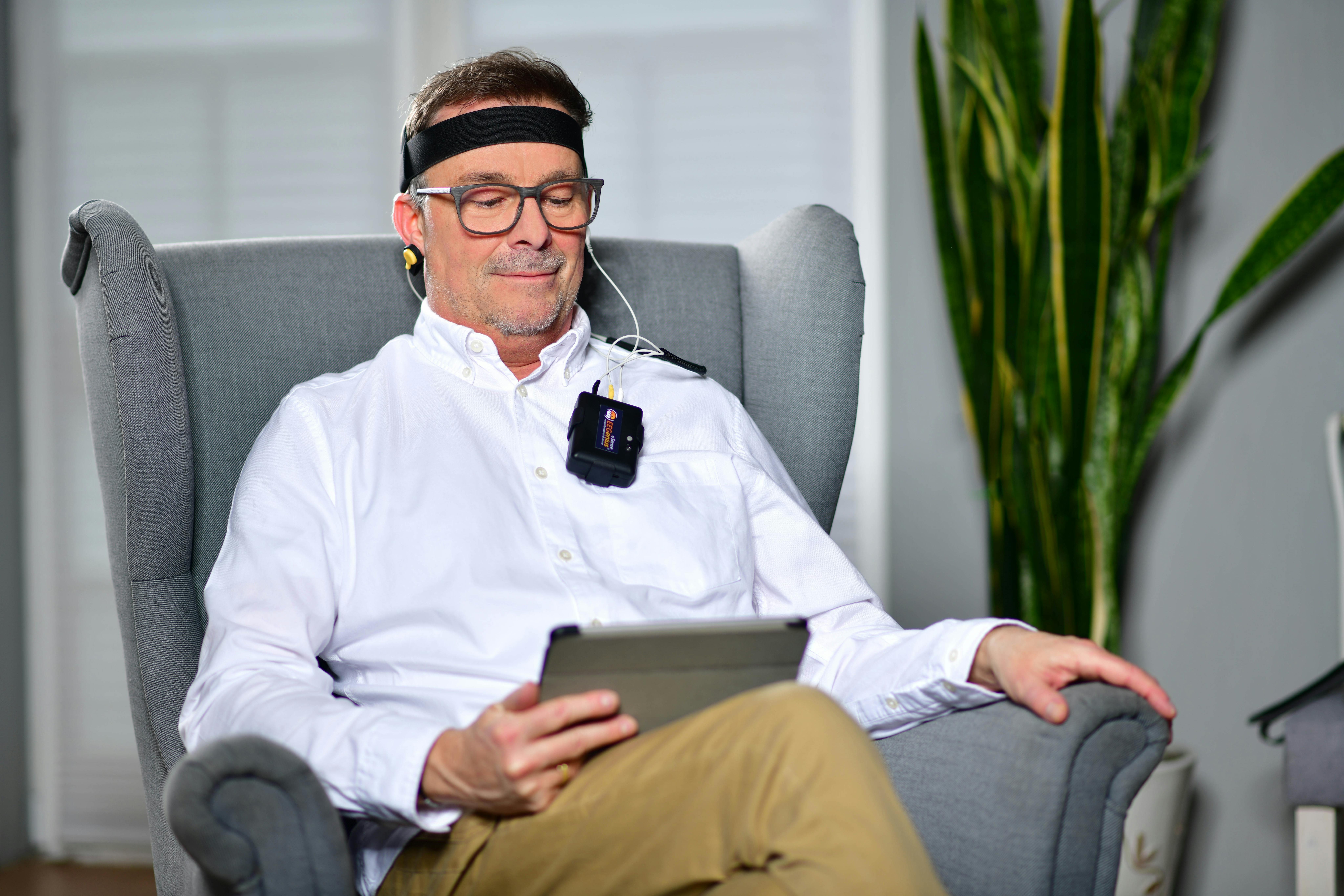
Wearable performance monitors have revolutionized how we track fitness, health, and athletic progress, transforming personal data into actionable insights for optimal results.

🚀 The Revolution of Personal Performance Tracking
In today’s fast-paced world, understanding your body’s capabilities and limitations has never been more accessible. Wearable performance monitors have emerged as essential tools for athletes, fitness enthusiasts, and health-conscious individuals seeking to optimize their physical potential. These sophisticated devices capture real-time data about your body’s responses to exercise, stress, sleep, and daily activities, providing unprecedented insights into your overall wellness.
The technology behind wearable monitors has evolved dramatically over the past decade. What began as simple pedometers has transformed into comprehensive health ecosystems capable of tracking heart rate variability, blood oxygen levels, sleep stages, recovery metrics, and even electrocardiogram readings. This evolution has democratized access to performance data that was once available only to elite athletes with access to specialized sports science laboratories.
Modern wearable devices utilize advanced sensors and algorithms to interpret biological signals. Optical heart rate sensors, accelerometers, gyroscopes, and GPS modules work in concert to paint a complete picture of your physical state. The resulting data empowers users to make informed decisions about training intensity, recovery periods, and lifestyle modifications that can significantly impact performance outcomes.
📊 Understanding the Metrics That Matter
Wearable performance monitors track numerous metrics, but understanding which ones truly matter for your goals is crucial. Heart rate monitoring remains foundational, providing insights into cardiovascular fitness, training zones, and recovery status. Resting heart rate, in particular, serves as an excellent indicator of overall fitness improvement and potential overtraining.
Heart rate variability (HRV) has gained prominence as one of the most valuable metrics for assessing readiness and recovery. HRV measures the variation in time intervals between heartbeats, reflecting the balance between your sympathetic and parasympathetic nervous systems. Higher HRV generally indicates better recovery and readiness for intense training, while decreased HRV may suggest accumulated fatigue or stress.
Sleep tracking capabilities have become increasingly sophisticated, with devices now differentiating between light, deep, and REM sleep stages. Quality sleep is fundamental to performance enhancement, muscle recovery, and cognitive function. By analyzing sleep patterns, wearables help identify factors disrupting rest and enable adjustments that improve sleep quality.
Step counting and activity tracking provide baseline data about daily movement patterns. While steps alone don’t tell the complete story, they offer valuable insights into sedentary behavior and general activity levels. Many devices now incorporate active minutes, measuring time spent in moderate to vigorous activity rather than just total steps.
Advanced Performance Indicators
Beyond basic metrics, premium wearables offer advanced measurements that provide deeper performance insights. VO2 max estimation calculates your body’s maximum oxygen consumption during intense exercise, serving as a gold-standard indicator of aerobic fitness. Training load and training effect metrics help balance workout intensity and recovery, preventing overtraining while ensuring progressive adaptation.
Lactate threshold estimation identifies the exercise intensity at which lactate begins accumulating faster than your body can clear it. Understanding this threshold helps optimize training intensity for endurance improvement. Respiration rate monitoring during sleep and activity adds another dimension to recovery assessment and stress management.
💪 Maximizing Training Effectiveness
Wearable performance monitors transform training from guesswork into science-based progression. By establishing personalized heart rate zones, these devices ensure you’re training at appropriate intensities for specific adaptations. Zone 2 training for aerobic base building, threshold work for lactate tolerance, and high-intensity intervals for VO2 max improvement can all be precisely targeted and monitored.
Real-time feedback during workouts allows immediate adjustments to maintain desired intensity levels. If you’re targeting an easy recovery run but your heart rate creeps too high, immediate alerts help you dial back the pace. Conversely, during interval sessions, you can ensure you’re pushing hard enough to stimulate adaptation without prematurely exhausting yourself.
Post-workout analysis reveals patterns and trends that inform future training decisions. Tracking metrics like average heart rate, time in zones, training load, and recovery time recommendations creates a comprehensive training log. Over weeks and months, this data illustrates progress, identifies plateaus, and highlights when training modifications might be necessary.
Periodization and Recovery Management
Effective training requires strategic periodization—varying intensity and volume to promote adaptation while preventing burnout. Wearable monitors facilitate this by quantifying training stress and recommending recovery periods. Many devices now incorporate training readiness scores that synthesize multiple metrics into actionable guidance about whether to push hard or take it easy.
Recovery is where adaptation occurs, making it equally important as the training stimulus itself. Monitoring resting heart rate, HRV, and sleep quality provides objective data about recovery status. When these metrics indicate insufficient recovery, adjusting training plans prevents the downward spiral of overtraining syndrome, which can derail progress for weeks or months.
🏃♀️ Sports-Specific Applications
Different athletic pursuits benefit from wearable technology in unique ways. Runners gain comprehensive insights from pace, cadence, ground contact time, vertical oscillation, and running power metrics. These measurements identify inefficiencies in running form and help optimize performance while reducing injury risk.
Cyclists utilize power meters integrated with wearable monitors to track functional threshold power, training stress scores, and pedaling dynamics. The combination of power data and physiological metrics creates a complete picture of cycling performance and fitness progression. GPS functionality maps routes, tracks elevation gain, and enables route planning for training variety.
Swimmers benefit from stroke counting, pace tracking, and SWOLF scores (combination of strokes and time) that indicate swimming efficiency. Waterproof wearables have opened new possibilities for aquatic athletes to quantify training that was previously difficult to measure objectively.
Strength training applications have expanded with some devices detecting repetitions, sets, and even identifying specific exercises. Integrating resistance training data with cardiovascular metrics provides a holistic view of fitness development across multiple domains.
🧠 The Mental and Motivational Benefits
Beyond physiological data, wearable monitors profoundly impact motivation and adherence to fitness programs. The gamification elements incorporated into most platforms—achievements, badges, challenges, and social features—tap into psychological drivers that sustain long-term engagement with health behaviors.
Visible progress motivates continued effort. Watching resting heart rate decrease, VO2 max increase, or pace improve at the same heart rate provides tangible evidence that training is working. These objective improvements reinforce commitment during periods when subjective feelings might suggest otherwise.
Accountability mechanisms built into wearable ecosystems encourage consistency. Activity reminders, goal-setting features, and streak tracking create positive pressure to maintain regular exercise habits. Social connections through leaderboards and sharing capabilities add community support that enhances adherence.
Stress Management and Mindfulness
Modern wearables increasingly incorporate stress tracking and guided breathing exercises. By monitoring heart rate variability and other biomarkers throughout the day, these devices identify periods of elevated stress and prompt interventions. Guided breathing sessions help activate the parasympathetic nervous system, promoting relaxation and recovery.
The awareness these devices create about stress patterns empowers lifestyle modifications. Recognizing that certain situations, times of day, or activities consistently elevate stress enables proactive management strategies. This holistic approach to performance optimization acknowledges that mental well-being directly impacts physical capabilities.
📱 Integrating Technology into Your Routine
Successfully incorporating wearable monitors requires thoughtful integration rather than passive data collection. Start by establishing clear goals—whether improving cardiovascular fitness, losing weight, enhancing athletic performance, or simply moving more throughout the day. Your objectives should guide which metrics you prioritize and how you interpret the data.
Consistency in wearing your device ensures data completeness and accuracy. Most wearables require regular contact with skin for accurate heart rate monitoring and benefit from continuous wear for comprehensive activity and sleep tracking. Establishing routines around charging ensures your device remains functional when you need it most.
Regular data review transforms numbers into insights. Rather than obsessing over daily fluctuations, focus on weekly and monthly trends that reveal genuine progress or areas needing attention. Many companion apps provide excellent visualization tools that make pattern recognition easier.
Avoiding Data Overload
The wealth of information available from wearable monitors can become overwhelming. Resist the temptation to track everything simultaneously. Instead, focus on three to five key metrics most relevant to your current goals. As you become comfortable interpreting these, you can gradually incorporate additional data points.
Remember that wearables provide guidance, not gospel. Occasional anomalies occur due to sensor limitations, environmental factors, or biological variability. Learning to recognize when data seems suspect and cross-referencing with subjective feelings develops a more nuanced understanding of your body’s signals.
🔬 The Science Behind the Technology
Understanding how wearable monitors collect and interpret data enhances trust in the information they provide. Optical heart rate sensors use photoplethysmography (PPG), shining LED lights into the skin and measuring blood flow changes based on light reflection. While generally accurate for most activities, factors like skin tone, tattoos, ambient temperature, and device fit can affect readings.
Accelerometers detect motion and orientation changes, enabling step counting, activity recognition, and sleep stage estimation. By analyzing movement patterns, algorithms differentiate between walking, running, cycling, and other activities. During sleep, reduced movement combined with heart rate patterns helps identify sleep stages, though accuracy doesn’t match polysomnography gold standards.
GPS chips track location, speed, and distance for outdoor activities. Accuracy depends on satellite signal strength, which can be affected by tree cover, tall buildings, and atmospheric conditions. Many devices now incorporate multiple satellite systems (GPS, GLONASS, Galileo) to improve positioning accuracy.
Algorithmic Interpretation and Personalization
Raw sensor data undergoes complex algorithmic processing to generate meaningful metrics. Machine learning models trained on large datasets identify patterns and make predictions about fitness levels, recovery status, and training recommendations. These algorithms continuously improve as manufacturers collect more data and refine their models.
Personalization enhances accuracy over time. As your device learns your baseline values and typical patterns, its recommendations become more tailored to your individual physiology. Providing accurate information about age, weight, height, and sex during setup improves initial algorithm accuracy.
🎯 Setting and Achieving Performance Goals
Wearable technology excels at supporting goal-oriented behavior change. Effective goal setting follows SMART principles—specific, measurable, achievable, relevant, and time-bound. Rather than vague aspirations like “get fitter,” wearables help establish concrete targets such as “increase VO2 max by 3 points in 12 weeks” or “complete 150 active minutes weekly for the next month.”
Breaking larger objectives into smaller milestones creates a sense of progress and maintains motivation. If your ultimate goal is running a marathon, intermediate targets might include building weekly mileage, improving long run distance, and reducing half-marathon time. Your wearable tracks progress toward each milestone, providing feedback that guides training adjustments.
Celebrating achievements, no matter how small, reinforces positive behaviors. Most wearable platforms incorporate celebration features when you reach goals, set personal records, or maintain streaks. These psychological rewards strengthen the habit loop that sustains long-term fitness engagement.
🌟 The Future of Wearable Performance Technology
Wearable technology continues advancing rapidly, with emerging capabilities promising even greater insights into human performance. Non-invasive glucose monitoring, hydration tracking, and blood pressure measurement are entering consumer devices, expanding health monitoring capabilities beyond fitness metrics.
Artificial intelligence integration will enable more sophisticated pattern recognition and predictive analytics. Future devices may predict illness before symptoms appear, identify injury risk based on biomechanical data, or provide real-time coaching that adapts to your instantaneous physiological state.
Form factor innovations are making wearables less intrusive and more comfortable. Smart clothing with embedded sensors, earbuds with biometric monitoring, and even temporary tattoo sensors may supplement or replace wrist-worn devices, providing continuous monitoring without conscious awareness.

⚡ Taking Action: Your Performance Journey Starts Now
Wearable performance monitors offer unprecedented opportunities to understand, optimize, and maximize your physical potential. The key to success lies not in the device itself but in how you use the insights it provides. Start by selecting a device that aligns with your goals, budget, and preferred activities. Entry-level options provide excellent basic tracking, while premium models offer advanced metrics for serious athletes.
Commit to consistent use and regular data review. Establish routines that make wearing and charging your device automatic. Schedule weekly review sessions to analyze trends, celebrate progress, and adjust your approach based on what the data reveals.
Remember that technology serves as a tool to enhance self-awareness and inform decisions, not replace intuition and personal experience. The most effective approach combines objective data from your wearable with subjective assessments of how you feel. This balanced perspective prevents over-reliance on numbers while leveraging the valuable insights technology provides.
Your fitness journey is unique, and wearable performance monitors provide the personalized data to navigate it successfully. Whether you’re pursuing athletic excellence, improving general health, or simply moving more throughout your day, these devices transform abstract goals into measurable progress. The power to maximize your potential literally sits on your wrist—are you ready to unlock it?