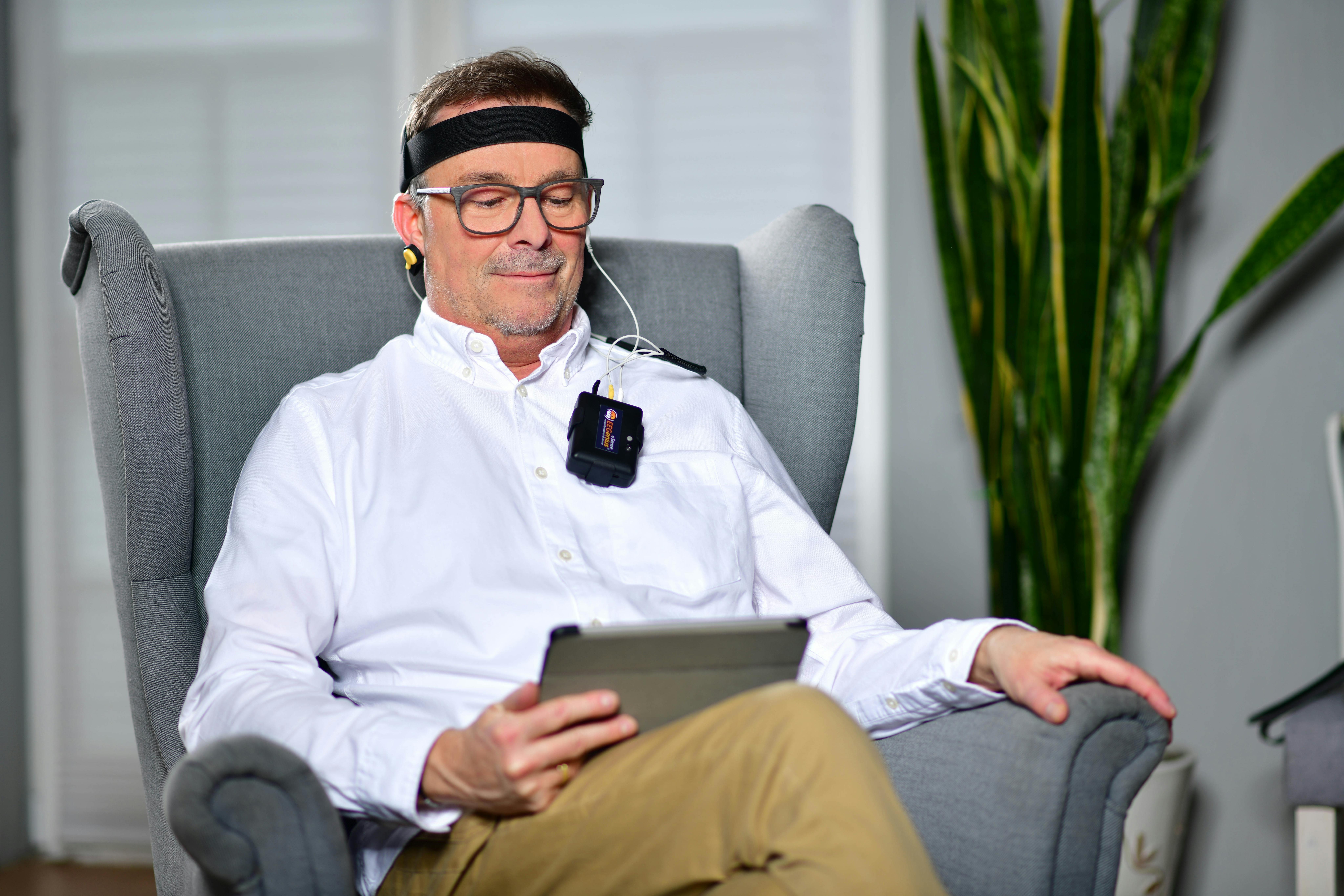
Modern stress management is evolving beyond traditional methods, and EEG stress pattern tracking represents a groundbreaking approach to understanding and controlling your mental state.

🧠 The Science Behind EEG and Stress Detection
Electroencephalography (EEG) has transformed from a clinical diagnostic tool into an accessible technology for everyday stress management. By measuring electrical activity in your brain, EEG devices can identify specific patterns associated with stress, anxiety, and mental overload in real-time.
Your brain produces different types of waves—delta, theta, alpha, beta, and gamma—each corresponding to distinct mental states. When you’re stressed, your brain exhibits specific patterns, typically characterized by increased beta wave activity and decreased alpha waves. Understanding these patterns gives you unprecedented insight into your stress responses.
Recent advances in neurotechnology have made consumer-grade EEG devices more accurate and affordable. These devices use sensors placed on your scalp to detect electrical impulses generated by neurons. The data is then processed through sophisticated algorithms that identify stress signatures unique to your individual brain activity.
⚡ How EEG Stress Pattern Tracking Works in Practice
The process of tracking stress through EEG involves several key components working in harmony. First, specialized sensors capture your brain’s electrical signals with remarkable precision. These signals are then amplified and digitized, creating a continuous stream of data about your neural activity.
Modern EEG systems use machine learning algorithms to analyze this data and identify patterns associated with stress. The technology learns your baseline brain activity and can detect deviations that indicate elevated stress levels. This personalized approach makes the tracking more accurate than generic stress assessments.
What makes this technology particularly powerful is its ability to detect stress before you consciously recognize it. Your brain shows physiological signs of stress seconds or even minutes before you feel overwhelmed. This early warning system allows for proactive intervention rather than reactive coping.
The Real-Time Feedback Loop
One of the most valuable aspects of EEG stress tracking is the immediate feedback it provides. When your device detects elevated stress patterns, it can alert you through visual, auditory, or haptic signals. This real-time notification enables you to implement stress-reduction techniques precisely when they’re most needed.
The feedback mechanism creates a powerful biofeedback loop. As you practice relaxation techniques while monitoring your EEG data, you can see in real-time how different strategies affect your brain waves. This visual confirmation reinforces effective practices and helps you abandon ineffective ones.
🎯 Identifying Your Personal Stress Triggers
Everyone experiences stress differently, and EEG tracking reveals your unique stress fingerprint. By consistently monitoring your brain patterns throughout various activities and situations, you can identify specific triggers that elevate your stress levels.
Perhaps you’ll discover that your stress spikes during video calls but remains manageable during in-person meetings. Or you might find that certain times of day are more challenging for you. This granular understanding of your stress patterns enables targeted interventions.
Long-term tracking builds a comprehensive profile of your stress responses. Over weeks and months, patterns emerge that reveal not just immediate triggers but also cumulative stressors. You might notice that sleep deprivation amplifies your stress response to otherwise manageable situations, or that certain dietary choices correlate with increased stress patterns.
Creating Your Stress Pattern Map
Developing a detailed map of your stress patterns requires consistent tracking and thoughtful analysis. Most EEG stress tracking applications automatically log your data and generate visualizations that make patterns easy to identify.
- Track your stress levels across different environments (home, work, social settings)
- Monitor patterns during various activities (meetings, exercise, creative work)
- Note correlations with sleep quality, nutrition, and physical health
- Identify time-of-day variations in your stress response
- Recognize how interpersonal interactions affect your stress patterns
💪 Practical Techniques for Managing Stress Using EEG Data
Armed with detailed knowledge of your stress patterns, you can implement targeted management strategies. The most effective approach combines proactive prevention with reactive intervention, guided by your EEG feedback.
Neurofeedback training represents one of the most powerful applications of EEG stress tracking. This technique involves consciously attempting to modify your brain wave patterns while receiving real-time feedback. With practice, you can learn to shift your brain into calmer states at will.
Meditation and mindfulness practices become significantly more effective when combined with EEG tracking. Instead of wondering whether you’re “doing it right,” you can see objective evidence of your brain entering meditative states. This confirmation helps maintain motivation and refine your technique.
Evidence-Based Stress Reduction Protocols
Research has identified several protocols that consistently produce positive results when guided by EEG feedback. Deep breathing exercises, for instance, show measurable effects on brain wave patterns within minutes. By practicing these techniques while monitoring your EEG, you can optimize your breathing rhythm for maximum stress reduction.
Progressive muscle relaxation, when performed with EEG monitoring, allows you to identify which muscle groups hold the most tension and which relaxation sequences produce the greatest calming effect on your brain. This personalized approach is far more effective than generic relaxation scripts.
📊 Measuring Progress and Optimizing Your Approach
One of the most motivating aspects of EEG stress tracking is the ability to measure your progress objectively. Unlike subjective assessments that rely on memory and perception, EEG data provides concrete evidence of improvement.
Most tracking systems generate reports showing trends over time. You might see that your baseline stress levels have decreased, that stress spikes are less intense, or that you recover from stressful events more quickly. These measurable improvements provide powerful reinforcement for your stress management efforts.
The data also helps you optimize your strategies. By comparing the effectiveness of different interventions, you can identify which techniques work best for your brain. What calms your colleague might not work for you, and EEG tracking reveals your personal optimal strategies.
| Metric | What It Measures | Target Trend |
|---|---|---|
| Beta/Alpha Ratio | Mental tension vs. relaxation | Decreasing over time |
| Stress Episode Duration | How long elevated stress lasts | Shorter episodes |
| Recovery Time | Return to baseline after stress | Faster recovery |
| Baseline Stress Level | Resting state stress patterns | Lower and more stable |
🔬 The Technology Landscape: Choosing Your EEG Device
The market for consumer EEG devices has expanded dramatically, offering options for various needs and budgets. Understanding the different technologies helps you choose the right tool for your stress management journey.
Headband-style devices offer the most comfortable and convenient option for daily use. These typically use dry sensors that require no preparation and can be worn during normal activities. While they capture fewer channels than medical-grade equipment, they’re sufficient for stress pattern tracking.
More comprehensive systems use multiple sensors placed across the scalp, providing detailed spatial information about brain activity. These offer greater accuracy but require more setup time and are less practical for continuous daily monitoring.
Key Features to Consider
When selecting an EEG stress tracking system, prioritize features that align with your specific goals. Battery life matters significantly if you plan to track stress throughout your workday. Comfort becomes crucial for extended wear. Data quality and algorithm sophistication determine how accurately the system identifies your stress patterns.
Integration with other health tracking platforms creates a more comprehensive picture of your wellbeing. Systems that sync with sleep trackers, fitness monitors, and wellness apps allow you to see how physical health factors influence your mental stress patterns.
🌟 Advanced Applications: Beyond Basic Stress Management
As you become proficient with EEG stress tracking, advanced applications open new possibilities for optimizing your mental performance and wellbeing. Peak performance training uses your stress data to identify your optimal arousal state for different tasks.
Some professionals use EEG tracking to optimize their work schedules, tackling demanding tasks when their brain patterns indicate peak cognitive capacity and reserving routine work for naturally lower-energy periods. This alignment with your neural rhythms dramatically improves productivity while reducing stress.
Sleep optimization represents another powerful application. By tracking the transition from waking to sleep states, you can identify factors that help or hinder quality rest. This information directly impacts stress management, as sleep quality profoundly affects stress resilience.
Building Stress Resilience Over Time
Long-term use of EEG stress tracking doesn’t just help you manage stress—it builds fundamental resilience. As you repeatedly practice shifting your brain patterns from stressed to calm states, these neural pathways strengthen. Eventually, your brain becomes more efficient at self-regulating, requiring less conscious effort to maintain equilibrium.
This neuroplasticity effect means that consistent practice with EEG-guided techniques creates lasting changes in how your brain responds to stressors. You’re not just coping with stress more effectively; you’re fundamentally rewiring your stress response system.
🚀 Integrating EEG Tracking Into Your Daily Routine
Success with EEG stress tracking requires integration into your daily life rather than treating it as an occasional activity. Start by establishing specific tracking times—perhaps morning meditation sessions and afternoon check-ins during your workday.
Create rituals around your tracking practice. A brief morning session can set a calm baseline for your day while providing valuable data about how sleep quality affects your starting stress levels. Midday check-ins help you catch stress accumulation before it becomes overwhelming.
Evening sessions serve multiple purposes: they help you decompress from the day, practice stress-reduction techniques with real-time feedback, and track your transition toward sleep-ready brain states. This consistent practice accelerates your learning curve and maximizes benefits.
Overcoming Common Implementation Challenges
Many people encounter obstacles when beginning EEG stress tracking. Device discomfort, data interpretation confusion, or inconsistent practice can derail progress. Addressing these challenges proactively increases your likelihood of long-term success.
If wearing a device feels awkward initially, start with short sessions and gradually extend duration as comfort increases. Focus on proper positioning to ensure good signal quality—poor data leads to frustration and discouragement. Most manufacturers provide detailed fitting guides that significantly improve the experience.
🎓 The Future of EEG-Guided Stress Management
Emerging technologies promise even more powerful applications for EEG stress tracking. Artificial intelligence systems are becoming increasingly sophisticated at pattern recognition, offering predictive insights about stress before patterns fully develop. These systems might alert you that conditions are aligning for a stressful afternoon, allowing preventive action.
Integration with virtual and augmented reality creates immersive biofeedback experiences. Imagine practicing stress management in a virtual environment that responds directly to your brain patterns, becoming more calming as your stress levels decrease. These closed-loop systems provide unprecedented training effectiveness.
Wearable technology continues shrinking while improving accuracy. Future devices might integrate seamlessly into everyday accessories—earbuds, glasses, or even clothing—making continuous monitoring effortless and unobtrusive.

🌈 Transforming Your Relationship With Stress
The ultimate benefit of EEG stress pattern tracking extends beyond managing individual stress episodes. This technology transforms your fundamental relationship with stress by making the invisible visible. You gain agency over something that once felt uncontrollable.
Understanding your stress patterns at a neural level removes much of stress’s mysterious power. When you can see exactly how your brain responds to challenges and watch yourself successfully modulating those responses, stress becomes less threatening. You develop confidence in your ability to handle whatever arises.
This empowerment creates a positive feedback loop. Reduced stress improves decision-making, relationships, and physical health, which further decreases stress levels. EEG tracking provides the insight and tools to initiate this upward spiral, but the lasting benefits come from your commitment to understanding and nurturing your mental state.
Whether you’re seeking relief from chronic stress, optimizing professional performance, or simply curious about your brain’s inner workings, EEG stress pattern tracking offers a scientifically-grounded pathway to greater wellbeing. The technology democratizes insights once available only in research laboratories, putting powerful self-knowledge at your fingertips. By unlocking your mind’s patterns, you unlock your potential for a calmer, more balanced, and ultimately more fulfilling life.