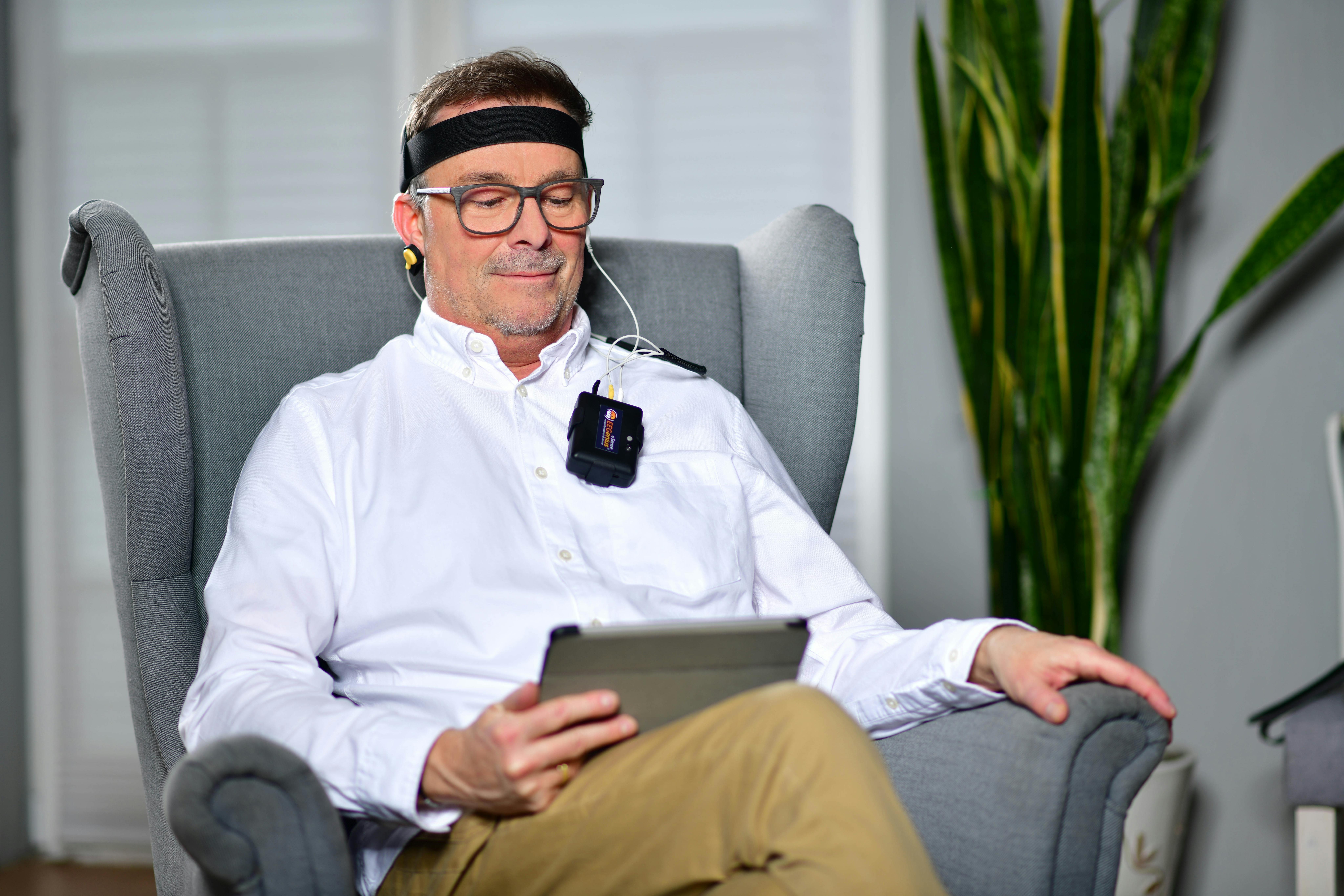
Modern science reveals that optimal performance stems from the powerful synergy between neural networks and visceral systems—a connection that transforms how we train, recover, and excel.

🧠 The Revolutionary Science Behind Brain-Body Integration
Neurovisceral training systems represent a groundbreaking approach to human performance optimization that transcends traditional exercise methodologies. Unlike conventional fitness programs that focus solely on muscular development or cardiovascular conditioning, neurovisceral training addresses the intricate communication pathways between your central nervous system and visceral organs. This comprehensive approach recognizes that peak performance isn’t merely about physical strength—it’s about creating harmonious dialogue between every system in your body.
The vagus nerve serves as the primary communication superhighway in this brain-body connection, transmitting signals bidirectionally between your brainstem and internal organs. Research demonstrates that approximately 80% of vagal nerve fibers are afferent, meaning they carry information from the body to the brain rather than vice versa. This biological reality underscores a fundamental principle: your organs literally shape your mental state, emotional resilience, and cognitive capacity.
When we optimize neurovisceral integration, we unlock remarkable benefits including enhanced decision-making under pressure, accelerated recovery from physical and psychological stress, improved emotional regulation, and sustained energy levels throughout demanding performance periods. Athletes, executives, artists, and anyone seeking to operate at their highest capacity can leverage these training systems to achieve previously unattainable results.
Understanding the Autonomic Nervous System Architecture
The autonomic nervous system operates as your body’s automatic control center, managing functions that occur without conscious thought. This system divides into two primary branches: the sympathetic nervous system, which mobilizes your fight-or-flight response, and the parasympathetic nervous system, responsible for rest-and-digest functions. Peak performance emerges not from dominance of either system but from their flexible, responsive balance.
Heart rate variability (HRV) serves as the gold standard biomarker for neurovisceral integration quality. Higher HRV indicates greater autonomic flexibility—your system’s capacity to respond appropriately to changing demands. Elite performers across domains consistently demonstrate superior HRV metrics, reflecting their nervous systems’ sophisticated adaptability. Training programs designed to enhance neurovisceral communication directly improve HRV, creating measurable performance gains.
The polyvagal theory, developed by Dr. Stephen Porges, revolutionized our understanding of autonomic function by identifying a third neural circuit—the social engagement system. This ventral vagal pathway enables calm, connected states that facilitate learning, creativity, and collaborative performance. Neurovisceral training intentionally strengthens this pathway, expanding your physiological capacity for sustained excellence without burnout.
🏋️ Core Components of Neurovisceral Training Programs
Effective neurovisceral training integrates multiple evidence-based modalities that target different aspects of the brain-body connection. These components work synergistically to create comprehensive adaptation across neural, visceral, and musculoskeletal systems simultaneously.
Breathwork Protocols for Autonomic Regulation
Controlled breathing represents the most accessible and powerful tool for direct nervous system modulation. Specific breathing patterns activate different autonomic states: slow, diaphragmatic breathing with extended exhalations stimulates parasympathetic activation, while rhythmic breathing at resonance frequency (typically 5-6 breaths per minute) optimizes HRV and baroreflex sensitivity.
Box breathing—inhaling for four counts, holding for four, exhaling for four, holding for four—creates autonomic balance ideal for focus and composure. Conversely, physiological sighs (double inhale followed by extended exhale) rapidly reduce stress hormones and calm arousal. Advanced practitioners incorporate breath retention protocols that enhance CO2 tolerance and oxygen efficiency, directly improving both mental clarity and physical endurance.
Movement Integration and Vestibular Training
Neurovisceral training emphasizes movement quality over quantity, prioritizing exercises that challenge proprioception, balance, and cross-body coordination. These movements strengthen cerebellar function and enhance interoceptive awareness—your ability to accurately perceive internal bodily states. Kettlebell flows, crawling patterns, rotational exercises, and single-leg stability work exemplify neuroviscerally intelligent movement selection.
Vestibular training specifically targets the inner ear structures responsible for spatial orientation and balance. Simple protocols like gaze stabilization exercises, head rotations during movement, and balance challenges on unstable surfaces create profound adaptations in brainstem function. These adaptations cascade throughout the nervous system, improving everything from motion sickness resistance to reaction time and spatial reasoning.
Cold Exposure and Thermal Stress Adaptation
Deliberate cold exposure serves as potent neurovisceral training stimulus, forcing rapid autonomic adaptation and strengthening stress resilience pathways. Cold water immersion, cryotherapy, or even cold showers trigger sympathetic activation followed by compensatory parasympathetic rebound—training your nervous system to recover more efficiently from activation states.
Regular cold exposure increases brown adipose tissue activity, enhances mitochondrial biogenesis, reduces inflammation, and improves mood through dopamine and norepinephrine elevation. The psychological component—learning to remain calm amid intense physiological stress—builds mental resilience that transfers to every challenging situation you encounter.
🎯 Implementing Neurovisceral Training in Daily Practice
Successful implementation requires progressive, consistent practice rather than sporadic intensive efforts. Begin by establishing baseline measurements of your current neurovisceral integration through HRV tracking, resting heart rate monitoring, and subjective assessments of stress recovery capacity.
Morning Optimization Routine
Start each day with a 10-15 minute practice combining breathwork, gentle movement, and cold exposure. Begin with two minutes of slow, diaphragmatic breathing to establish parasympathetic tone. Follow with five minutes of fluid movement—yoga flows, animal movements, or dynamic stretching—emphasizing controlled breathing throughout. Conclude with 30-90 seconds of cold exposure via shower or face immersion.
This morning protocol primes your autonomic nervous system for optimal daily function, establishing neurovisceral coherence that persists for hours. The consistency of daily practice creates cumulative adaptations far exceeding occasional intensive training sessions.
Throughout-the-Day Micro-Practices
Integrate brief neurovisceral resets throughout your day, particularly during transitions between activities or when noticing stress accumulation. A simple practice: pause for five deep breaths with extended exhalations, simultaneously bringing attention to your heartbeat and internal sensations. This 60-second intervention activates the social engagement system and restores autonomic balance.
Desktop-based workers benefit enormously from hourly movement breaks incorporating vestibular challenges—standing on one leg while performing tasks, gentle neck rotations, or brief balance exercises. These micro-practices prevent the autonomic rigidity that develops during prolonged static positioning.
Evening Recovery Protocols
Evening represents your opportunity to maximize parasympathetic recovery and consolidate daily adaptations. Dedicate 20-30 minutes to practices emphasizing relaxation and interoceptive awareness: restorative yoga, progressive muscle relaxation, or body scan meditation combined with slow breathing.
Consider incorporating heart rate variability biofeedback training during evening sessions. Multiple applications provide real-time HRV data, enabling you to discover which practices most effectively shift your physiology toward recovery states. This immediate feedback accelerates learning and optimizes protocol personalization.
Measuring Progress and Adapting Your Approach
Neurovisceral training effectiveness demands objective assessment beyond subjective feelings. Track multiple metrics to capture the multidimensional nature of brain-body integration improvements.
Primary metrics include morning resting heart rate (lower indicates improved fitness and recovery), HRV trends (higher and more stable reflects enhanced autonomic function), and subjective recovery scores using standardized questionnaires. Secondary markers encompass sleep quality metrics, cognitive performance assessments, and training session performance data.
Expect initial improvements within 2-4 weeks of consistent practice, with substantial adaptations emerging after 8-12 weeks. Progress rarely follows linear trajectories—periods of plateau and even temporary regression occur as your system reorganizes at higher complexity levels. Maintain consistent practice through these phases rather than intensifying efforts, which often proves counterproductive.
⚡ Advanced Neurovisceral Training Strategies
Intermittent Hypoxic Training
Controlled exposure to reduced oxygen environments creates powerful adaptations across neural and visceral systems. Breath-hold training, altitude simulation devices, or actual altitude exposure stimulate erythropoietin production, enhance mitochondrial efficiency, and improve CO2 tolerance—a key factor in both endurance performance and anxiety resistance.
Begin conservatively with simple breath-hold walks: exhale normally, then walk comfortably while holding your breath until you feel the first strong urge to breathe. Rest briefly, then repeat for 5-10 rounds. This accessible protocol delivers significant benefits without requiring specialized equipment or extreme protocols.
Sensory Integration Training
Deliberately manipulating sensory inputs challenges your nervous system to maintain performance despite compromised feedback. Training with eyes closed, on unstable surfaces, or while processing competing sensory information (like balancing while solving cognitive tasks) strengthens sensory integration centers and enhances neural efficiency.
These challenges directly improve proprioceptive acuity and interoceptive awareness—capacities foundational to both athletic excellence and emotional intelligence. Sports requiring rapid environmental assessment and adjustment benefit particularly from sensory integration emphasis.
Nutritional Neurovisceral Optimization
Gut health profoundly influences brain function through the gut-brain axis—a bidirectional communication system involving neural, hormonal, and immune pathways. Optimizing gut microbiome diversity through fermented foods, prebiotic fiber, and strategic probiotic supplementation enhances neurovisceral integration from the visceral side.
Omega-3 fatty acids, particularly EPA and DHA, support both neural membrane function and vagal tone. Magnesium facilitates parasympathetic activation and nervous system recovery. Strategic nutritional interventions complement training protocols, accelerating adaptation and supporting sustained performance capacity.
🌟 Real-World Applications Across Performance Domains
Athletic Performance Enhancement
Elite athletes increasingly recognize that physical conditioning represents just one performance dimension. Neurovisceral training addresses the nervous system limitations that often constrain athletic potential despite adequate physical development. Improved autonomic flexibility enables faster recovery between training sessions, enhanced decision-making during competition, and superior stress management when performance pressure peaks.
Endurance athletes gain particular advantage from enhanced autonomic efficiency, which improves cardiovascular economy and lactate clearance. Power athletes benefit from optimized neural drive and rapid state shifting—the capacity to achieve maximal activation instantly then recover completely between efforts.
Cognitive Performance and Professional Excellence
Knowledge workers, executives, and creative professionals operate in environments demanding sustained cognitive performance, emotional regulation, and interpersonal effectiveness. Neurovisceral training directly addresses these requirements by optimizing the physiological states supporting peak mental function.
Improved vagal tone correlates with enhanced executive function, working memory capacity, and creative problem-solving. The stress resilience developed through neurovisceral training prevents the performance degradation that typically accompanies deadline pressure, interpersonal conflict, and decision fatigue. Professionals implementing these practices report improved focus stamina, decision quality, and subjective work satisfaction.
Mental Health and Emotional Resilience
The neurovisceral integration model provides a physiologically-grounded approach to mental health optimization. Many anxiety and mood disorders involve dysregulated autonomic function—patterns neurovisceral training directly addresses. While not replacing clinical treatment when needed, these practices offer powerful tools for building psychological resilience and emotional flexibility.
The interoceptive awareness cultivated through neurovisceral training enables earlier recognition of stress accumulation, facilitating intervention before minor tensions escalate to overwhelming states. This awareness, combined with practical autonomic regulation skills, creates genuine emotional agency rather than mere symptom suppression.
🔬 The Future of Integrated Performance Training
Emerging technologies increasingly support neurovisceral training through sophisticated biofeedback systems, wearable sensors providing continuous autonomic monitoring, and virtual reality environments enabling precisely controlled training stimuli. These tools democratize access to training approaches previously available only through specialized facilities or practitioners.
Artificial intelligence algorithms now analyze multi-system data streams to provide personalized protocol recommendations, optimizing training stimulus to individual response patterns. This technological augmentation accelerates adaptation while reducing injury and overtraining risks inherent in less sophisticated approaches.
Research continues revealing new dimensions of brain-body integration, from the influence of gut microbiota on neural development to the role of fascia as a sensory organ communicating with the central nervous system. Each discovery expands our capacity to intentionally enhance human performance through intelligent, integrated training design.
Taking Your First Steps Toward Optimal Integration
Beginning neurovisceral training requires no special equipment or facilities—just commitment to consistent practice and willingness to develop new body awareness. Start with the fundamental practices: daily breathwork establishing autonomic flexibility, movement emphasizing coordination and balance, and regular cold exposure building stress resilience.
Track your progress through objective metrics rather than relying solely on subjective impressions. Notice improvements not just in obvious performance domains but in subtle capacities like recovery speed, emotional stability, and sustained focus. These indicators reveal the comprehensive nature of neurovisceral adaptations.
Consider working with qualified practitioners—coaches, therapists, or trainers specializing in integrated approaches—particularly when addressing specific limitations or pursuing advanced techniques. Professional guidance accelerates progress while ensuring safe, effective implementation tailored to your unique needs and goals.
The journey toward optimal neurovisceral integration represents an ongoing practice rather than a destination. Each training session, each conscious breath, each moment of interoceptive awareness strengthens the brain-body connection that underlies every dimension of human performance. By consistently training this fundamental system, you develop capacity that transfers to every challenge, opportunity, and aspiration you pursue.
Your mind and body possess extraordinary potential—potential unlocked through intelligent training addressing not isolated components but the integrated system you actually are. Neurovisceral training provides the framework, practices, and understanding to access this potential, transforming how you perform, recover, and experience life itself. The question isn’t whether these approaches work—the science definitively demonstrates their effectiveness. The question is whether you’re ready to commit to the consistent practice that delivers transformative results. Your optimal performance awaits on the other side of that commitment. 💪