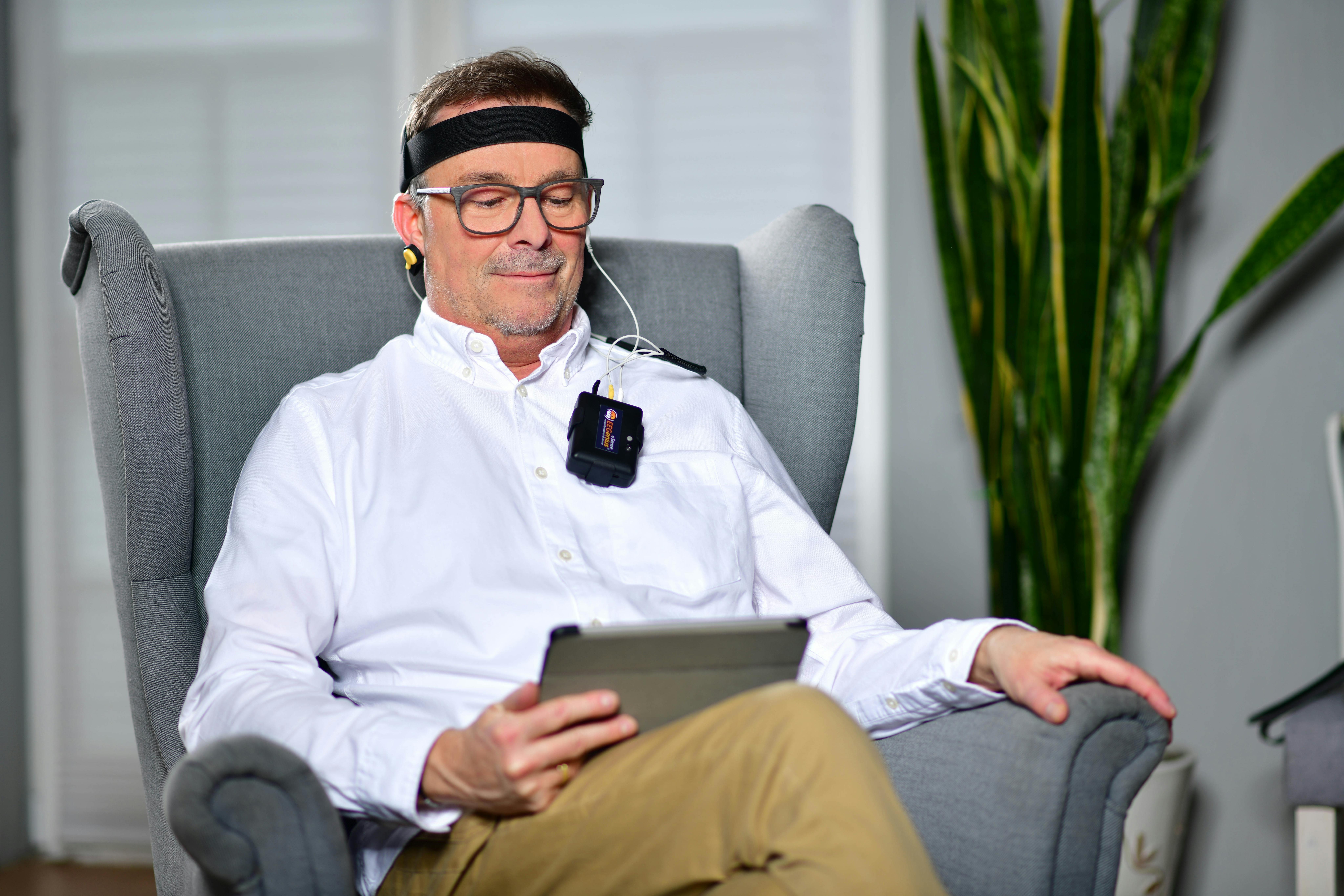
Your mind holds untapped reserves of focus and clarity, waiting to be unleashed through the revolutionary science of biofeedback training and modern neurotechnology.

🧠 The Science Behind Your Wandering Mind
In our hyperconnected world, maintaining laser-focused concentration has become one of the most valuable yet elusive skills. Research shows that the average person’s attention span has dropped to just 8 seconds, making it increasingly difficult to accomplish deep work or retain information effectively. But what if you could train your brain like you train your muscles at the gym?
Biofeedback training represents a groundbreaking approach to cognitive enhancement, allowing you to observe your brain’s activity in real-time and learn to control it consciously. This isn’t science fiction—it’s neuroscience in action, and thousands of people worldwide are already experiencing dramatic improvements in their concentration abilities.
The principle is elegantly simple: what you can measure, you can improve. By monitoring physiological signals like brainwaves, heart rate variability, and muscle tension, biofeedback systems provide instant feedback about your mental state, enabling you to recognize and replicate states of optimal focus.
Understanding Biofeedback: Your Brain’s Personal Training System
Biofeedback is a technique that teaches you to control bodily functions that typically operate automatically. When applied to concentration and cognitive performance, it focuses primarily on neurofeedback—a specialized form that monitors brainwave patterns through electroencephalography (EEG) sensors.
Your brain produces electrical activity in different frequency bands, each associated with specific mental states. Beta waves (13-30 Hz) dominate during active thinking and problem-solving, while alpha waves (8-12 Hz) appear during relaxed alertness. Theta waves (4-8 Hz) emerge during deep meditation or creativity, and delta waves (0.5-4 Hz) characterize deep sleep.
The Four Pillars of Biofeedback Training
Effective biofeedback training for concentration enhancement rests on four fundamental pillars that work synergistically to transform your cognitive capabilities:
- Real-time monitoring: Sensors track your physiological signals millisecond by millisecond, providing immediate data about your mental state
- Visual or auditory feedback: This data is translated into easily understandable formats like graphs, sounds, or games that respond to your brain activity
- Conscious control practice: Through repeated sessions, you learn to recognize and reproduce mental states associated with peak concentration
- Neuroplasticity reinforcement: Regular training creates lasting changes in neural pathways, making focused states more accessible over time
🎯 How Biofeedback Sharpens Your Focus
The mechanism by which biofeedback training enhances concentration involves multiple neurological processes working in harmony. When you receive immediate feedback about your brain’s activity, you develop metacognitive awareness—the ability to observe your own thinking patterns without judgment.
During a typical biofeedback session for concentration training, you might engage in a task requiring sustained attention while sensors monitor your brainwave patterns. When your brain enters an optimal focus state—characterized by increased beta waves and reduced theta activity—the system rewards you with positive feedback. This could be a rising score in a game, a pleasant sound, or a visual indicator changing color.
Over time, your brain learns to recognize and recreate these optimal states without external feedback. This process leverages operant conditioning, where behaviors (or in this case, mental states) followed by rewards become more frequent and accessible.
The Neuroplasticity Advantage
One of the most exciting aspects of biofeedback training is its ability to harness neuroplasticity—your brain’s capacity to form new neural connections throughout life. Each training session strengthens the neural networks associated with sustained attention and inhibitory control, the brain’s ability to filter out distractions.
Studies using functional MRI scans have demonstrated that consistent neurofeedback training produces measurable changes in brain structure, particularly in the prefrontal cortex and anterior cingulate cortex—regions critically involved in attention regulation and executive function.
Types of Biofeedback for Cognitive Enhancement
While neurofeedback targeting brainwaves remains the most direct approach for concentration training, several complementary biofeedback modalities can significantly enhance your focus capabilities:
EEG Neurofeedback
This gold standard of concentration training uses electrodes placed on the scalp to measure electrical brain activity. Protocols typically aim to increase sensorimotor rhythm (SMR) waves (12-15 Hz) associated with calm focus while reducing theta activity linked to mental wandering.
Heart Rate Variability (HRV) Training
Your heart rhythm patterns reflect your autonomic nervous system’s balance. High HRV indicates resilience and adaptability, qualities essential for maintaining focus under pressure. HRV biofeedback teaches you to regulate your breathing and emotional state, creating physiological conditions favorable for concentration.
Electromyography (EMG) Biofeedback
Muscle tension, particularly in the face, jaw, and shoulders, often accompanies mental effort and stress. EMG biofeedback helps you recognize and release unnecessary tension that drains cognitive resources, allowing more efficient allocation of mental energy to the task at hand.
Skin Conductance Training
Also called galvanic skin response (GSR) training, this modality measures sweat gland activity as an indicator of arousal and stress. Learning to modulate your arousal level helps you find the “sweet spot” of alertness—engaged but not anxious—optimal for sustained concentration.
🚀 Getting Started with Biofeedback Training
Embarking on your biofeedback journey requires understanding both the technological tools available and the commitment necessary for meaningful results. Like learning any skill, concentration enhancement through biofeedback demands consistency and patience.
Professional Training vs. Home Systems
Clinical biofeedback training with certified practitioners offers personalized protocols, sophisticated equipment, and expert guidance. Sessions typically cost between $100-250 each, with most protocols requiring 20-40 sessions for lasting results.
Home biofeedback systems have become increasingly accessible and affordable, with consumer-grade EEG headsets and training apps now available for a fraction of clinical costs. While these systems may lack the precision of clinical equipment, research suggests they can produce meaningful improvements in attention for motivated users.
Building Your Training Routine
Successful biofeedback training for concentration follows principles similar to physical exercise: consistency trumps intensity, progressive challenge prevents plateaus, and adequate recovery enables consolidation.
Most experts recommend starting with 3-4 sessions weekly, each lasting 20-30 minutes. As your control improves, you can increase session frequency or duration. The key is maintaining regularity—sporadic training produces sporadic results.
🎮 Practical Exercises to Amplify Your Training
While biofeedback technology provides the feedback mechanism, incorporating specific mental exercises maximizes your progress. These activities help you develop the internal awareness necessary to recognize and recreate focused states independently.
The Attention Anchor Technique
During biofeedback sessions, establish a personal “anchor”—a specific physical sensation, breath pattern, or mental image associated with your peak focus state. When you notice optimal feedback indicators, consciously link them to your anchor. Over time, activating your anchor without technology will help trigger focused states.
Progressive Distraction Training
Once you achieve basic control in quiet environments, gradually introduce controlled distractions during training. Start with subtle background sounds, then progress to more challenging conditions. This inoculates your concentration against real-world interruptions.
Task-Specific Protocol Development
Different types of concentration serve different purposes. Reading comprehension requires sustained vigilant attention, creative problem-solving benefits from relaxed focus, and detail-oriented tasks demand narrow attentional bandwidth. Train specifically for the concentration styles your work or studies require.
Measurable Results: What Science Says
The efficacy of biofeedback training for concentration enhancement isn’t merely anecdotal—it’s supported by decades of peer-reviewed research across diverse populations.
A comprehensive meta-analysis published in Clinical EEG and Neuroscience examined 15 controlled studies involving over 700 participants. Results showed that neurofeedback training produced significant improvements in attention measures, with effect sizes comparable to stimulant medications for ADHD but without side effects.
Research with healthy adults seeking cognitive enhancement demonstrates that 20 sessions of SMR neurofeedback training can improve sustained attention performance by 15-25%, with improvements persisting for at least six months post-training.
Professional populations have also benefited. Studies with surgeons, air traffic controllers, and musicians show that biofeedback training enhances performance during high-stakes tasks requiring prolonged concentration and stress management.
⚡ Combining Biofeedback with Lifestyle Optimization
Biofeedback training delivers optimal results when integrated into a holistic approach to cognitive health. Your brain’s concentration capacity depends on multiple factors beyond neural training alone.
Sleep Architecture and Focus
Quality sleep isn’t just rest—it’s when your brain consolidates the neural patterns learned during biofeedback training. Research shows that sleep deprivation can erase up to 40% of concentration gains from daytime training sessions. Prioritizing 7-9 hours of quality sleep amplifies your biofeedback results exponentially.
Nutritional Neuroscience
Your brain’s electrical activity depends on neurotransmitter function, which requires specific nutritional building blocks. Omega-3 fatty acids support neural membrane flexibility, B-vitamins facilitate neurotransmitter synthesis, and antioxidants protect neurons from oxidative stress. Strategic nutrition enhances your brain’s trainability.
Physical Exercise as Brain Training
Aerobic exercise increases brain-derived neurotrophic factor (BDNF), a protein that promotes neuroplasticity—the very mechanism biofeedback leverages. Regular cardiovascular activity essentially primes your brain to benefit more from neurofeedback training.
🔬 Advanced Strategies for Peak Performance
Once you’ve established basic biofeedback competency, advanced strategies can push your concentration capabilities into elite territory.
Multi-Modal Training Integration
Combining different biofeedback modalities creates synergistic effects. Training both brainwave patterns and heart rate variability simultaneously addresses concentration from multiple physiological angles, producing faster and more comprehensive improvements.
Cognitive Load Progression
As your baseline focus improves, progressively increase task difficulty during training sessions. This prevents adaptation plateaus and ensures continued growth. Start with simple attention tasks, then advance to complex problem-solving, multi-tasking scenarios, or extended duration challenges.
Transfer Training Protocols
The ultimate goal isn’t just performing well during biofeedback sessions—it’s transferring enhanced concentration to real-world contexts. Deliberately practice transitioning from feedback-assisted focus to independent concentration, gradually reducing reliance on external cues.
Common Challenges and Solutions
Like any skill development journey, biofeedback training for concentration presents predictable challenges. Understanding these obstacles helps you navigate them successfully.
Initial frustration is common as you struggle to influence seemingly automatic processes. Remember that the first few sessions establish baseline patterns—measurable progress typically emerges around session 8-12. Patience during this foundational phase determines long-term success.
Performance variability between sessions can be discouraging. Your daily physiological state—influenced by sleep, stress, nutrition, and hormones—affects trainability. Rather than viewing “bad” sessions as failures, recognize them as opportunities to practice focus under challenging conditions.
Equipment issues with consumer-grade systems sometimes create artifacts in data. Learning proper sensor placement and signal quality assessment prevents wasted training time. Most quality systems include tutorials and troubleshooting guides to optimize data collection.
🌟 The Future of Concentration Training
Emerging technologies promise to make biofeedback training more accessible, personalized, and effective. Artificial intelligence algorithms now analyze training data to automatically adjust protocols based on individual response patterns, optimizing each session’s effectiveness.
Virtual reality integration creates immersive training environments where concentration directly controls the experience. Imagine practicing sustained attention while navigating a virtual landscape that responds to your brainwave patterns—gamification meets neuroscience.
Portable, minimalist devices continue shrinking in size while improving in capability. Within five years, biofeedback training may become as simple as wearing a small earpiece during your commute or morning routine.

Your Concentration Transformation Awaits
The science is clear, the technology is available, and the methodology is proven. Biofeedback training represents one of the most powerful tools available for unlocking your brain’s concentration potential. Unlike pharmaceutical interventions, it teaches you skills that become permanent parts of your cognitive repertoire.
Your journey toward laser-focused concentration begins with a single decision—to take control of your mental training with the same intentionality you’d apply to physical fitness. The technology provides feedback, but you provide the commitment and consistency that transform that feedback into lasting cognitive enhancement.
Whether you’re a student seeking academic excellence, a professional aiming for peak productivity, an athlete developing mental game, or simply someone tired of constant distraction, biofeedback training offers a scientifically validated path forward. Your brain’s potential exceeds your current performance, and biofeedback provides the bridge between where you are and where you could be.
The question isn’t whether biofeedback training can enhance your concentration—research answers that affirmatively. The question is whether you’re ready to invest in developing one of the most valuable skills in the modern world: the ability to focus deeply, deliberately, and sustainably on what matters most.