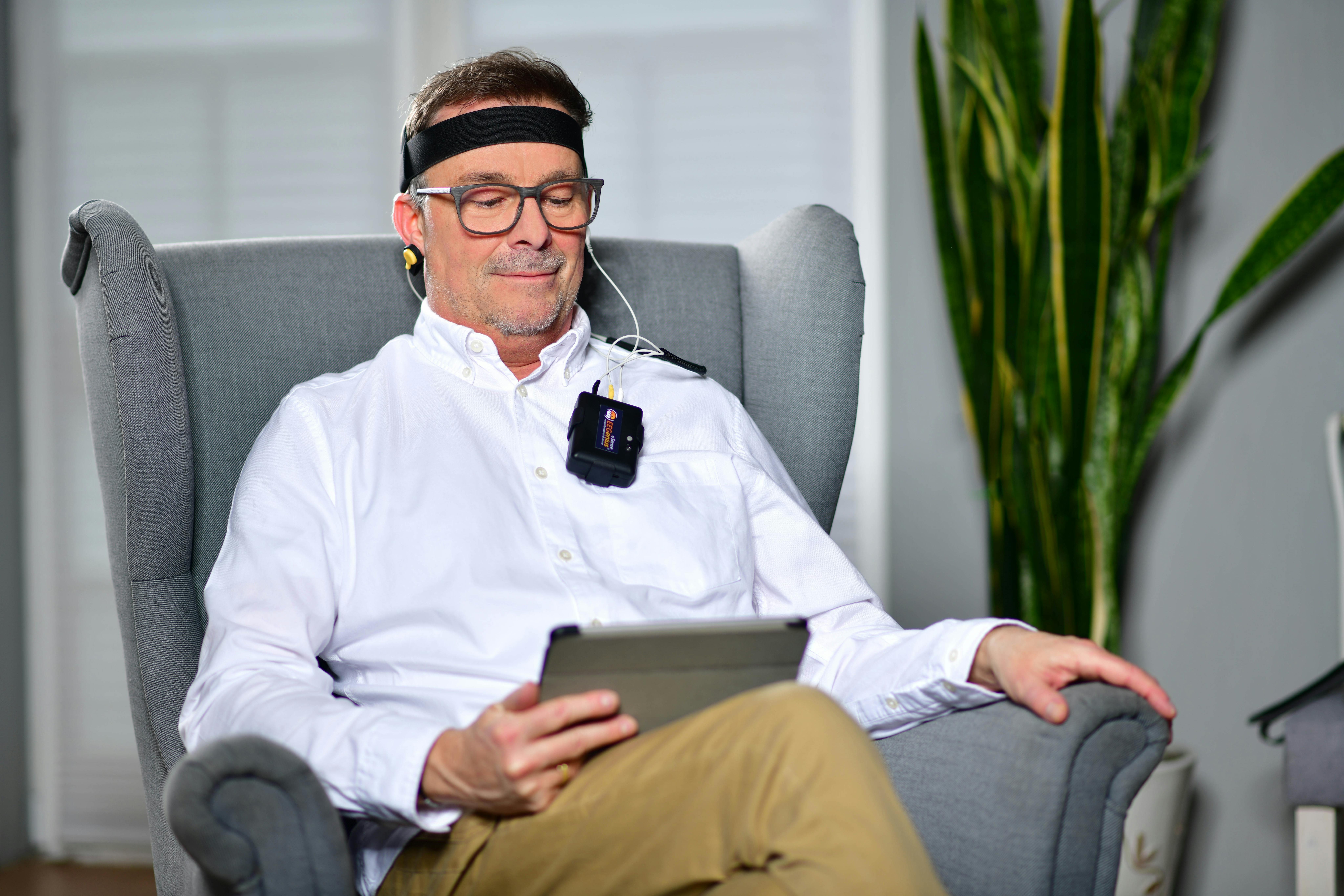
Your body constantly sends signals that influence everything from stress levels to energy, mood, and resilience. Learning to interpret and influence these signals is key to thriving.

🧠 Understanding the Autonomic Nervous System: Your Body’s Hidden Control Center
The autonomic nervous system (ANS) operates quietly beneath your conscious awareness, regulating essential functions like heart rate, digestion, breathing, and immune response. This sophisticated network acts as your body’s autopilot, constantly adjusting internal conditions to maintain balance and respond to environmental demands.
Unlike voluntary movements you consciously control, the ANS works automatically. However, emerging research reveals something remarkable: you can actually learn to influence this system through specific techniques and awareness practices. This ability to harness ANS feedback represents a revolutionary approach to health optimization.
The ANS divides into two primary branches that work in dynamic balance. The sympathetic nervous system activates your “fight or flight” response, preparing your body for action by increasing heart rate, dilating pupils, and redirecting blood flow to muscles. Conversely, the parasympathetic nervous system promotes “rest and digest” activities, slowing heart rate, enhancing digestion, and supporting recovery and healing.
Modern life challenges this delicate balance. Chronic stress, poor sleep, sedentary behavior, and constant digital stimulation can trap your nervous system in sympathetic overdrive. This imbalance contributes to anxiety, digestive issues, weakened immunity, and numerous chronic health conditions.
🔍 Recognizing Your Body’s Feedback Signals
Your body continuously broadcasts information about your autonomic state through physical sensations, emotional responses, and behavioral patterns. Developing awareness of these signals forms the foundation for effective nervous system regulation.
Heart rate variability (HRV) stands out as one of the most reliable indicators of ANS balance. HRV measures the variation in time between consecutive heartbeats. Contrary to intuition, greater variability generally indicates better health and adaptability. High HRV suggests your nervous system flexibly shifts between sympathetic and parasympathetic activation as circumstances demand.
Breathing patterns provide another valuable window into autonomic function. Rapid, shallow chest breathing typically accompanies sympathetic activation and stress responses. Slow, deep diaphragmatic breathing signals parasympathetic dominance and relaxation. Simply noticing your breath throughout the day offers immediate insight into your nervous system state.
Physical tension manifests as a direct expression of sympathetic activation. Common signs include:
- Jaw clenching and teeth grinding
- Shoulder elevation and neck tightness
- Stomach butterflies or digestive disturbances
- Cold hands and feet from reduced peripheral circulation
- Muscle tension particularly in the back and shoulders
- Restlessness and difficulty remaining still
Emotional states also reflect autonomic activity. Anxiety, irritability, and hypervigilance often accompany sympathetic dominance. Feelings of calm, contentment, and social connection typically emerge during parasympathetic states. Tracking your emotional landscape reveals patterns in nervous system regulation.
💪 Practical Techniques for Nervous System Mastery
Armed with awareness of your autonomic signals, you can employ specific interventions to shift your nervous system toward optimal functioning. These evidence-based techniques empower you to actively participate in regulating your physiological state.
Breathwork: The Most Accessible ANS Tool
Breathing represents the only autonomic function under both voluntary and involuntary control, making it the perfect bridge for influencing your nervous system. Specific breathing patterns can rapidly shift autonomic balance.
Box breathing offers a simple yet powerful technique. Inhale for four counts, hold for four, exhale for four, and hold empty for four. This pattern promotes balanced autonomic tone and mental clarity. Military personnel and first responders use this technique to maintain composure under extreme pressure.
Coherent breathing involves breathing at a rate of approximately five to six breaths per minute. This specific rhythm maximizes heart rate variability and optimizes autonomic balance. Practice by inhaling for five seconds and exhaling for five seconds, maintaining a smooth, effortless rhythm.
Extended exhale breathing activates the parasympathetic nervous system by stimulating the vagus nerve. Try inhaling for four counts and exhaling for six to eight counts. This technique proves particularly effective for reducing anxiety and preparing for sleep.
Heart Rate Variability Training
HRV biofeedback involves using technology to monitor your heart rate variability in real-time while practicing techniques to improve it. This creates a powerful feedback loop that accelerates nervous system training.
Several smartphone applications now make HRV training accessible. These tools typically use your phone’s camera or a chest strap sensor to measure HRV, then guide you through breathing exercises while displaying your real-time physiological response.
Consistent HRV training produces measurable improvements in stress resilience, emotional regulation, and overall health markers. Research demonstrates that regular practice can enhance athletic performance, reduce anxiety and depression symptoms, and improve cardiovascular health.
Cold Exposure for Nervous System Resilience
Deliberate cold exposure activates the sympathetic nervous system in a controlled, beneficial manner, followed by a strong parasympathetic rebound. This controlled stress trains your nervous system to become more adaptable and resilient.
Start conservatively with cold showers. Begin with warm water, then gradually decrease temperature for the final 30-60 seconds. Focus on maintaining calm, controlled breathing despite the cold stimulus. Over time, extend duration and reduce starting temperature.
The key benefit emerges not from the cold itself, but from your ability to remain calm while experiencing an activating stimulus. This trains your nervous system to maintain equilibrium during challenging circumstances, a skill that transfers to other life stressors.
Movement and Physical Exercise
Physical activity profoundly influences autonomic function, but the relationship proves more nuanced than simply “exercise is good.” Different movement types create distinct nervous system effects.
High-intensity exercise strongly activates the sympathetic nervous system. While beneficial in appropriate doses, excessive high-intensity training without adequate recovery can contribute to autonomic imbalance and burnout.
Moderate aerobic exercise promotes healthy autonomic function and improves heart rate variability when balanced with recovery. Activities like jogging, cycling, and swimming at conversational pace enhance cardiovascular health without overtaxing the system.
Restorative practices including yoga, tai chi, and qigong specifically target parasympathetic activation. These mindful movement forms combine breathwork, gentle physical activity, and focused attention to promote nervous system balance and recovery.
🌙 Sleep: The Foundation of Autonomic Health
Quality sleep represents perhaps the most critical factor for autonomic nervous system regulation. During sleep, your body shifts into predominantly parasympathetic activity, facilitating repair, memory consolidation, and physiological restoration.
Chronic sleep deprivation disrupts autonomic balance, reducing heart rate variability and increasing sympathetic tone. This creates a vicious cycle where poor sleep increases stress reactivity, which further impairs sleep quality.
Optimize sleep by establishing consistent sleep-wake times, even on weekends. Your circadian rhythm thrives on predictability, and regular schedules strengthen the biological signals that promote quality sleep.
Create an evening routine that signals your nervous system to transition toward rest. Dim lights two hours before bed to support natural melatonin production. Reduce screen time or use blue light filters. Consider gentle stretching, reading, or meditation to facilitate the shift toward parasympathetic dominance.
Temperature regulation significantly impacts sleep quality and autonomic function. Keep your bedroom cool, ideally between 60-67°F (15-19°C). A warm bath or shower 90 minutes before bed triggers a temperature drop that promotes sleep onset.
🍽️ Nutritional Strategies for ANS Balance
Your dietary choices directly influence nervous system function through multiple pathways including blood sugar regulation, inflammation, gut-brain communication, and nutrient availability for neurotransmitter production.
Blood sugar instability activates stress responses as your body perceives fluctuating glucose as a threat. Stabilize blood sugar by emphasizing whole foods, adequate protein, healthy fats, and fiber while minimizing refined carbohydrates and added sugars.
The gut-brain axis represents a bidirectional communication highway between your digestive system and nervous system. A healthy gut microbiome supports parasympathetic tone and produces neurotransmitters including serotonin and GABA that promote calm and wellbeing.
Support gut health through fermented foods like yogurt, kefir, sauerkraut, and kimchi. Include prebiotic fiber from vegetables, fruits, and whole grains to feed beneficial bacteria. Consider a high-quality probiotic supplement if dietary sources prove insufficient.
Specific nutrients directly support nervous system function:
- Magnesium promotes parasympathetic activity and GABA production (found in leafy greens, nuts, seeds, and dark chocolate)
- Omega-3 fatty acids reduce inflammation and support vagus nerve function (fatty fish, walnuts, flaxseeds)
- B-vitamins enable neurotransmitter synthesis and energy production (whole grains, legumes, eggs, leafy greens)
- Vitamin D influences numerous aspects of nervous system health (sunlight exposure, fortified foods, supplements)
Timing matters too. Eating large meals close to bedtime forces your digestive system to work when it should be resting, potentially disrupting sleep and autonomic balance. Allow 2-3 hours between your last meal and bedtime.
🧘 Mind-Body Practices for Deep Regulation
Meditation and mindfulness practices offer powerful tools for influencing autonomic function. These techniques train your attention while simultaneously promoting parasympathetic activation and improved heart rate variability.
Mindfulness meditation involves bringing non-judgmental awareness to present moment experience. Regular practice strengthens the prefrontal cortex’s ability to regulate the amygdala, reducing stress reactivity and improving emotional regulation. Even 10-15 minutes daily produces measurable benefits.
Loving-kindness meditation specifically activates the parasympathetic nervous system while cultivating positive emotions. This practice involves directing feelings of goodwill toward yourself and others, creating measurable increases in vagal tone and social connection.
Body scan meditation enhances interoceptive awareness—your ability to perceive internal body signals. This improved sensitivity allows you to detect autonomic imbalance earlier and intervene more effectively. Practice by systematically bringing attention to different body regions, noting sensations without judgment.
📊 Tracking Progress and Measuring Success
Objective measurement enhances your ability to understand what interventions work for your unique physiology. Several metrics and tools can help you track improvements in nervous system function.
| Metric | What It Measures | Optimal Range |
|---|---|---|
| Heart Rate Variability | Autonomic balance and adaptability | Higher is generally better (varies by age) |
| Resting Heart Rate | Cardiovascular fitness and parasympathetic tone | 60-100 bpm (lower often indicates better fitness) |
| Sleep Quality | Recovery and restoration | 7-9 hours with minimal disruptions |
| Stress Perception | Subjective stress experience | Personal baseline with downward trend |
Wearable devices from companies like Oura, Whoop, and Garmin now track many of these metrics continuously. While not perfect, these tools provide valuable data to identify patterns and evaluate the effectiveness of interventions.
Subjective tracking matters too. Keep a simple journal noting daily stress levels, energy, mood, and sleep quality. Over time, patterns emerge that reveal which practices most effectively support your nervous system balance.
🎯 Creating Your Personalized ANS Optimization Protocol
Everyone’s nervous system responds somewhat differently to various interventions. Creating an effective personalized protocol requires experimentation, observation, and adjustment based on your unique responses.
Start by establishing a baseline. Spend one to two weeks tracking your current nervous system state using both objective metrics (HRV, resting heart rate) and subjective measures (energy, mood, stress). This baseline provides a reference point for evaluating future interventions.
Introduce one new practice at a time, maintaining it consistently for at least two weeks before adding another. This approach allows you to clearly attribute changes to specific interventions rather than creating confusion with multiple simultaneous changes.
Consider your current state when selecting initial practices. If you’re experiencing burnout with high sympathetic activation, prioritize parasympathetic-promoting activities like restorative yoga, meditation, and breathing exercises. If you’re experiencing depression with low arousal, you might benefit from moderate exercise and cold exposure to increase healthy activation.
Build a daily routine incorporating multiple modalities. A sample protocol might include morning meditation, breathwork practice, regular exercise, consistent sleep schedule, and periodic cold exposure. Adapt the specific combination based on your schedule, preferences, and responses.
🌟 Integrating ANS Awareness into Daily Life
The most powerful applications of autonomic nervous system knowledge occur when you integrate awareness into ordinary moments rather than confining practice to dedicated sessions.
Develop the habit of regular check-ins throughout your day. Pause periodically to notice your breath, scan for physical tension, and assess your emotional state. These micro-assessments take seconds but dramatically increase your awareness of autonomic patterns.
Use transitions as opportunities for brief regulation practices. Before important meetings, take two minutes for box breathing. After stressful events, practice extended exhale breathing to facilitate recovery. These strategic interventions prevent cumulative stress buildup.
Recognize that nervous system regulation exists on a spectrum rather than as an on-off switch. You’re not trying to remain perpetually relaxed but rather to develop flexibility—the ability to activate when circumstances require action and deactivate when the situation resolves.
Social connection powerfully influences autonomic function. The parasympathetic nervous system evolved partly to support social bonding and connection. Prioritize meaningful relationships, engage in face-to-face interactions, and practice active listening to leverage this biological pathway to wellbeing.

🚀 The Transformative Potential of ANS Mastery
Mastering your body’s autonomic responses extends far beyond stress reduction. This practice fundamentally transforms your relationship with yourself and your capacity to navigate life’s challenges with resilience and grace.
Enhanced nervous system regulation improves decision-making by reducing the influence of stress-driven reactions. When you can maintain calm during difficult situations, you access more cognitive resources and make choices aligned with your values rather than fear-based impulses.
Physical health benefits accumulate through improved immune function, better cardiovascular health, enhanced digestion, and reduced inflammation. Many chronic conditions either improve or become more manageable when autonomic balance is restored.
Mental and emotional wellbeing flourish as you develop confidence in your ability to regulate your internal state. Anxiety decreases when you possess practical tools to calm your nervous system. Depressive symptoms often improve as parasympathetic tone strengthens and stress reactivity decreases.
Perhaps most importantly, ANS mastery returns a sense of agency over your health and wellbeing. Rather than feeling helplessly controlled by stress, anxiety, or physical symptoms, you become an active participant in your body’s regulation. This empowerment creates positive cascades across all life domains.
The journey toward autonomic nervous system mastery requires patience, consistency, and self-compassion. You’re working with biological systems that developed over millions of years of evolution. Change occurs gradually through repeated practice rather than instant transformation.
Begin today with simple steps. Notice your breath right now. Take three slow, deep breaths. Pay attention to how your body feels. This moment of awareness represents the beginning of a profound journey toward optimal health, resilience, and wellbeing through understanding and harnessing your body’s innate wisdom. Your nervous system is always communicating—learning to listen and respond appropriately may be the most valuable health skill you ever develop. 🌿