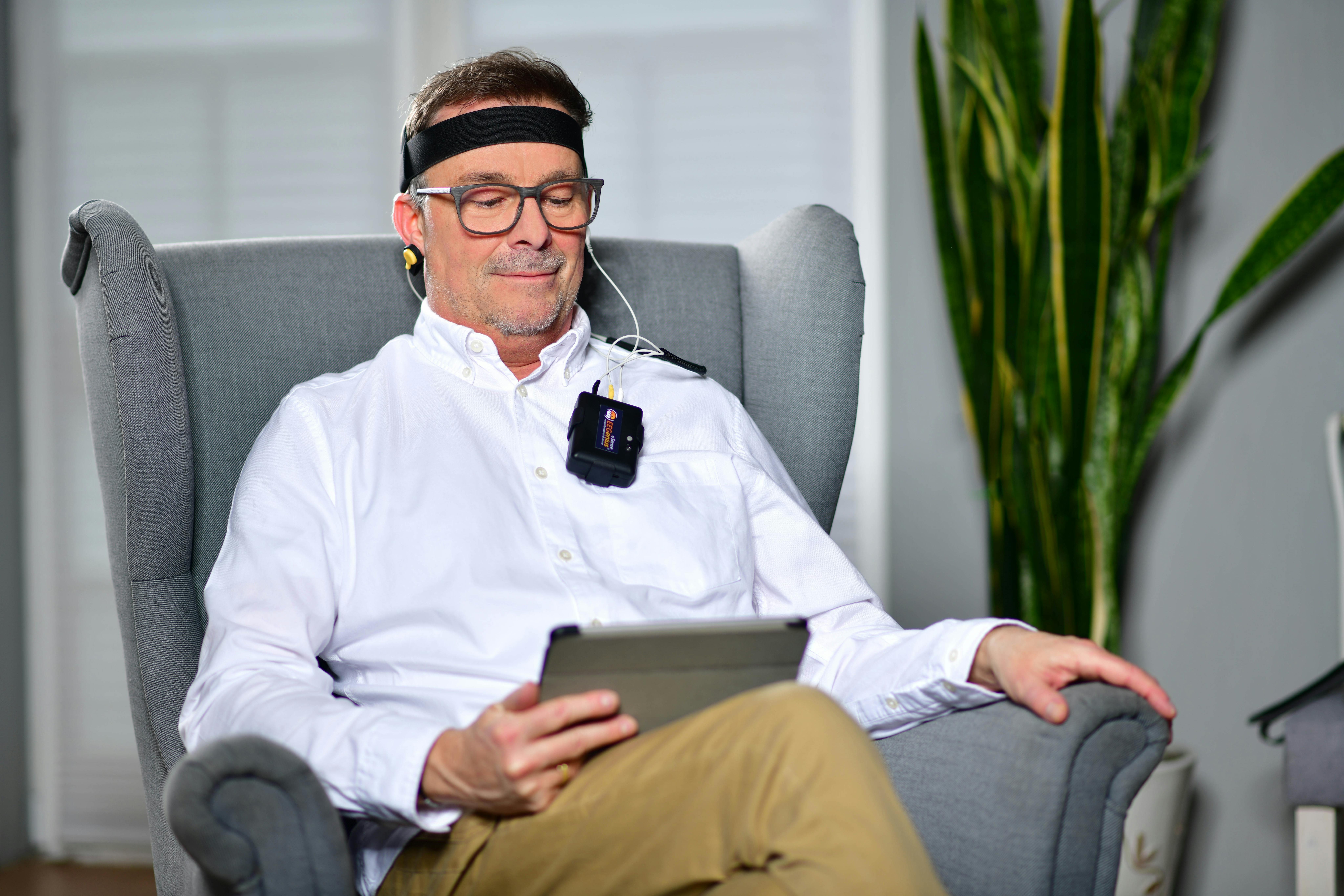
Imagine having the power to calm your racing heart, reduce anxiety on command, and transform emotional chaos into clarity—all through real-time feedback from your own body. 🧠✨

In today’s fast-paced world, emotional control feels increasingly elusive. We’re bombarded with stressors from every direction—work deadlines, relationship challenges, financial pressures, and the constant ping of notifications demanding our attention. The result? Overwhelming anxiety, chronic stress, and a persistent feeling of being emotionally out of control.
But what if you could train your body and mind to respond differently to stress? What if you could see, in real-time, how your thoughts and emotions affect your physiology—and learn to change those patterns? This is where biofeedback becomes a game-changer in the quest for emotional well-being.
Biofeedback represents a fascinating intersection of ancient mind-body wisdom and cutting-edge technology. It’s a scientifically validated technique that allows you to observe your body’s physiological responses and, through practice, gain voluntary control over functions typically considered automatic—like heart rate, muscle tension, breathing patterns, and even brain wave activity.
Understanding Biofeedback: Your Body’s Real-Time Dashboard
At its core, biofeedback is deceptively simple: sensors measure specific physiological functions, and this information is displayed back to you through visual or auditory signals. Think of it as installing a dashboard in your body that shows you what’s happening beneath the surface—information that’s normally invisible to your conscious awareness.
When you’re stressed, your body undergoes measurable changes: your heart rate increases, muscles tense, breathing becomes shallow, skin temperature drops, and sweat gland activity increases. These responses are controlled by your autonomic nervous system, which traditionally operates outside conscious control. Biofeedback bridges this gap, making the invisible visible.
The magic happens when you can see these measurements in real-time. When you watch your heart rate spike during a stressful thought or see your muscle tension increase when you’re anxious, you gain powerful insight into the mind-body connection. More importantly, you can experiment with different mental strategies—breathing techniques, visualization, meditation—and immediately see which ones effectively calm your physiology.
The Science Behind Emotional Regulation Through Biofeedback
The effectiveness of biofeedback isn’t just anecdotal—it’s backed by decades of rigorous scientific research. Studies have consistently demonstrated that biofeedback training can significantly reduce anxiety, improve stress management, alleviate depression symptoms, and enhance overall emotional well-being.
The mechanism is rooted in neuroplasticity—your brain’s remarkable ability to reorganize itself by forming new neural connections. When you repeatedly practice calming your physiological responses through biofeedback, you’re literally rewiring your brain’s stress response patterns. Over time, these new patterns become automatic, meaning you develop greater emotional resilience even without the biofeedback equipment.
Research published in the Journal of Neurotherapy found that heart rate variability biofeedback, in particular, significantly improved emotional regulation and reduced symptoms of anxiety and depression. Other studies have shown that biofeedback can be as effective as medication for certain anxiety disorders—without the side effects.
Types of Biofeedback for Emotional Mastery 🎯
Different biofeedback modalities measure different physiological signals, each offering unique insights into your emotional state and stress responses. Understanding these options helps you choose the approach best suited to your needs.
Heart Rate Variability (HRV) Biofeedback
HRV biofeedback has emerged as one of the most powerful tools for emotional regulation. Heart rate variability refers to the variation in time intervals between consecutive heartbeats. Counterintuitively, greater variability is actually a sign of health and resilience, indicating that your nervous system can flexibly respond to demands.
High HRV correlates with better emotional regulation, stress resilience, and overall well-being. Low HRV is associated with chronic stress, anxiety, depression, and even cardiovascular disease. HRV biofeedback training teaches you to increase this variability through specific breathing patterns, typically around 5-6 breaths per minute, which optimizes the interaction between your heart and brain.
The beauty of HRV biofeedback is its accessibility—numerous smartphone apps can now measure HRV using just your phone’s camera, making this powerful tool available without expensive equipment. Within minutes of practice, most people can see their HRV improve, providing immediate reinforcement and motivation.
Electromyography (EMG) Biofeedback
EMG biofeedback measures muscle tension through sensors placed on the skin. This modality is particularly useful for people who carry stress in their bodies—those who experience tension headaches, jaw clenching, shoulder tightness, or back pain related to stress.
By displaying muscle tension levels in real-time, EMG biofeedback helps you become aware of tension patterns you might not consciously notice. You learn to recognize the early signs of building tension and implement relaxation strategies before stress becomes physically painful. This awareness alone often leads to significant improvements in stress-related muscle pain.
Electrodermal Activity (EDA) Biofeedback
Also called galvanic skin response, EDA measures the electrical conductance of your skin, which changes with sweat gland activity. Your skin becomes more conductive when you’re stressed or emotionally aroused, making this an excellent real-time indicator of your emotional state.
EDA biofeedback is particularly useful for recognizing emotional triggers and learning to maintain calm in challenging situations. It’s commonly used in stress management programs and performance coaching, helping people identify what situations or thoughts elevate their stress levels.
Thermal Biofeedback
This modality measures skin temperature, typically on the fingers. When you’re stressed, blood flow to your extremities decreases, causing your hands to become cold. Learning to increase hand temperature through mental relaxation techniques is a powerful demonstration of mind-over-body control.
Thermal biofeedback has proven particularly effective for managing anxiety, migraine headaches, and Raynaud’s disease. The simplicity of the measurement—often just a temperature sensor attached to your finger—makes it an accessible entry point for beginners.
Practical Applications: Transforming Daily Emotional Challenges
The true value of biofeedback lies not in the technology itself, but in how it transforms your daily experience of emotions and stress. Let’s explore specific scenarios where biofeedback creates measurable improvements in emotional well-being.
Conquering Anxiety and Panic Attacks
For people experiencing anxiety or panic attacks, the body’s stress response can feel completely out of control. Your heart races, breathing becomes rapid and shallow, and catastrophic thoughts spiral. Biofeedback provides a powerful antidote: visible proof that you can influence these seemingly automatic responses.
During a biofeedback session, you might watch your heart rate displayed on a screen. As anxiety rises, you see the numbers climb. Then, applying specific breathing techniques or mindfulness strategies, you watch the numbers decrease. This immediate visual feedback accomplishes several things simultaneously: it interrupts the anxiety spiral, provides evidence of your control, and reinforces effective coping strategies.
With regular practice, you develop confidence in your ability to manage anxiety symptoms. You learn to recognize the early physiological signs of anxiety—before it becomes overwhelming—and intervene effectively. Many people report that simply knowing they have these tools dramatically reduces anticipatory anxiety about future panic attacks.
Managing Chronic Stress and Burnout
Chronic stress operates insidiously, gradually elevating baseline tension levels until constant vigilance and exhaustion feel normal. Biofeedback makes this invisible problem visible, showing you just how elevated your stress responses have become—and providing a roadmap back to balance.
Regular biofeedback practice creates designated “reset” moments in your day, opportunities to consciously downregulate your nervous system. Over time, these practice sessions translate into lower baseline stress levels and greater resilience when challenges arise. Your body literally relearns what relaxation feels like.
Improving Sleep Quality
Poor sleep and emotional dysregulation create a vicious cycle—stress disrupts sleep, and sleep deprivation impairs emotional control. Biofeedback addresses both sides of this equation. Evening biofeedback sessions help calm your nervous system before bed, making it easier to fall asleep. Over time, improved emotional regulation during the day reduces nighttime rumination and anxiety.
Some biofeedback approaches specifically target sleep architecture, using EEG neurofeedback to encourage brain wave patterns associated with deep, restorative sleep. The results can be transformative for people struggling with insomnia related to anxiety or stress.
Getting Started: Your Biofeedback Journey 🚀
Beginning biofeedback training doesn’t require expensive equipment or clinical visits—though those remain valuable options for more intensive work. Here’s how to start developing emotional mastery through biofeedback today.
Home-Based Biofeedback Options
The democratization of biofeedback technology means powerful tools are now available for home use. Smartphone apps can measure HRV using your phone’s camera, wearable devices track physiological metrics continuously, and affordable consumer biofeedback devices provide clinic-quality measurements at a fraction of traditional costs.
When choosing home biofeedback tools, prioritize those with strong scientific validation and positive user reviews. Look for apps and devices that provide clear guidance on interpreting measurements and structured training protocols rather than just raw data.
Creating an Effective Practice Routine
Like any skill, biofeedback requires consistent practice to produce lasting changes. Most experts recommend daily sessions of 10-20 minutes, preferably at the same time each day to establish a routine. Morning sessions set a calm tone for the day, while evening practice promotes relaxation and better sleep.
Start with realistic expectations—immediate improvements in your ability to influence physiological measurements are common, but transferring these skills to real-world stress situations takes time and practice. Be patient with yourself and celebrate small victories along the way.
Combining Biofeedback with Other Techniques
Biofeedback becomes even more powerful when integrated with complementary practices. Controlled breathing techniques, progressive muscle relaxation, mindfulness meditation, and visualization all synergize beautifully with biofeedback training. The real-time feedback helps you identify which techniques work best for your unique physiology.
Many people discover that certain mental strategies they thought were helping actually increase their stress markers, while approaches they overlooked prove remarkably effective. This personalized insight is one of biofeedback’s greatest benefits.
Overcoming Common Obstacles and Misconceptions 💪
Despite biofeedback’s proven effectiveness, several misconceptions and potential obstacles can interfere with success. Understanding these challenges helps you navigate them effectively.
It’s Not About Perfection
Some people become discouraged when they can’t immediately control their physiological responses or when measurements fluctuate unpredictably. Remember that biofeedback is a learning process. Your nervous system has been operating on autopilot for years—developing conscious influence takes time. Progress isn’t linear, and some days will show better results than others.
Technology Isn’t Everything
While biofeedback devices provide valuable information, they’re tools, not solutions. The real work happens in the consistent practice of awareness and self-regulation strategies. Don’t become so focused on the numbers that you lose sight of the ultimate goal: greater emotional well-being and resilience in daily life.
Individual Differences Matter
What works brilliantly for one person might not resonate with another. Some people respond best to HRV training, others to EMG biofeedback. Some find breathing techniques most effective, while others prefer visualization or mindfulness approaches. Use biofeedback’s objective feedback to discover your unique path to emotional mastery.
The Future of Emotional Well-Being Through Biofeedback 🌟
As technology advances and our understanding of the mind-body connection deepens, biofeedback continues evolving. Artificial intelligence now analyzes patterns in physiological data to provide personalized recommendations. Virtual reality creates immersive biofeedback experiences. Wearable devices provide continuous monitoring and just-in-time interventions when stress levels rise.
These innovations make biofeedback increasingly accessible, affordable, and effective. What once required expensive clinical sessions can now happen on your smartphone during your lunch break. This democratization means more people can access tools for emotional mastery that were previously available only to elite athletes, executives, or therapy patients.
Perhaps most exciting is the growing integration of biofeedback into preventive healthcare. Rather than waiting until stress causes serious health problems, people can use biofeedback proactively to maintain emotional balance and resilience. This shift from reactive treatment to proactive wellness represents a fundamental change in how we approach mental and emotional health.

Taking Control: Your Next Steps Toward Emotional Mastery
The journey to emotional control and well-being through biofeedback begins with a single step: awareness. Start noticing the connection between your thoughts, emotions, and physical sensations. When you feel stressed, anxious, or overwhelmed, pause and observe: How is your body responding? Is your breathing shallow? Are your shoulders tense? Is your heart racing?
This awareness practice, even without technology, begins strengthening the mind-body connection that biofeedback will later enhance. When you’re ready to incorporate technology, start simple—a basic HRV app or affordable biofeedback device is sufficient for meaningful progress.
Commit to regular practice, even if just 10 minutes daily. Track your progress not just through biofeedback measurements but through real-world indicators: Are you sleeping better? Feeling calmer? Recovering more quickly from stressful situations? Managing emotions more effectively? These practical improvements matter more than any device reading.
Consider working with a biofeedback practitioner, at least initially, to ensure proper technique and interpretation of results. Many offer virtual sessions, making expert guidance accessible regardless of location. The investment in professional guidance often accelerates progress and prevents common pitfalls.
Most importantly, remember that emotional mastery isn’t about eliminating emotions or never feeling stress—it’s about developing a flexible, resilient nervous system that can meet life’s challenges without becoming overwhelmed. Biofeedback provides the training ground where you build this resilience, one session at a time.
The power to transform your emotional experience lies literally at your fingertips—in the remarkable biofeedback loops connecting your mind and body. By learning to read and influence these signals, you gain something precious in our chaotic world: the confidence that you can face whatever comes with greater calm, clarity, and control. Your journey to emotional well-being through biofeedback starts now. 🌈