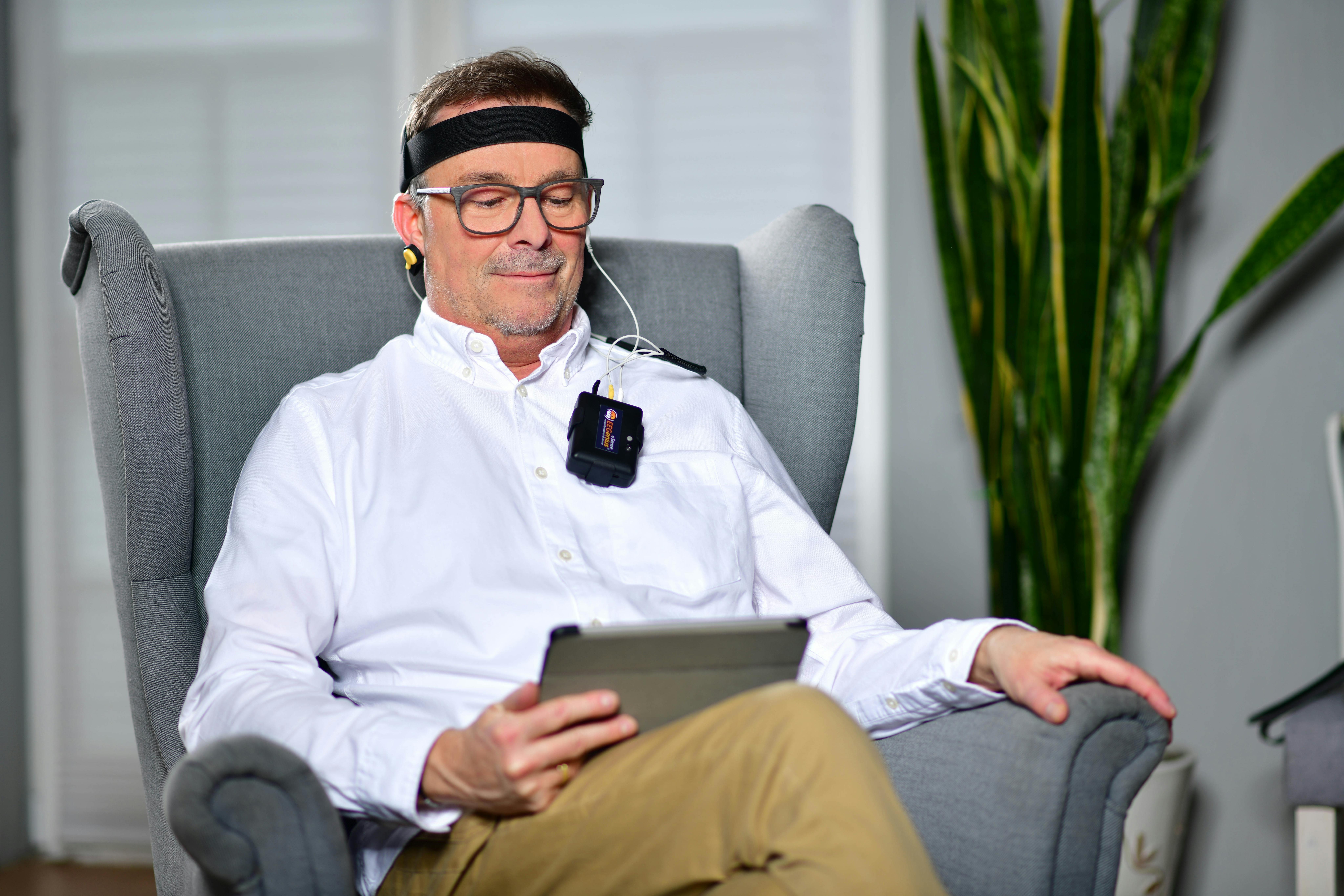
Your brain is far more adaptable than you ever imagined. Cognitive plasticity training offers a scientifically-backed pathway to enhance mental performance at any age.

🧠 Understanding Cognitive Plasticity: Your Brain’s Superpower
Neuroplasticity, also known as brain plasticity or cognitive plasticity, represents one of the most groundbreaking discoveries in neuroscience over the past few decades. This phenomenon describes the brain’s remarkable ability to reorganize itself by forming new neural connections throughout life, challenging the once-held belief that our brains become fixed after childhood.
Every time you learn something new, practice a skill, or even change your routine, your brain physically changes. Neurons create new pathways, strengthen existing connections, and even generate new cells in certain regions. This dynamic process continues from birth until our final days, meaning the potential for cognitive enhancement never truly expires.
The implications of this discovery are profound. Whether you’re a student seeking better academic performance, a professional aiming to sharpen decision-making skills, or a senior wanting to maintain mental acuity, cognitive plasticity training provides tangible methods to rewire your brain for optimal functioning.
The Science Behind Brain Training and Mental Enhancement
Research from leading institutions worldwide has demonstrated that targeted cognitive exercises produce measurable changes in brain structure and function. Functional MRI studies reveal increased gray matter density in regions associated with memory, attention, and executive function following consistent brain training protocols.
Dr. Michael Merzenich, a pioneering neuroscientist, has shown through decades of research that specific, repetitive cognitive exercises can lead to substantial improvements in processing speed, working memory, and attentional control. His work established that the brain responds to training much like muscles respond to physical exercise—with consistent effort, performance improves.
The key mechanisms behind cognitive plasticity training include synaptic strengthening, neurogenesis, and myelination. When you repeatedly engage in challenging mental tasks, the synapses between neurons become more efficient at transmitting signals. In some brain regions, particularly the hippocampus, entirely new neurons can be generated. Additionally, the insulating myelin sheath around neural pathways thickens, allowing faster signal transmission.
What Makes Effective Cognitive Training Different
Not all brain exercises deliver equal results. Effective cognitive plasticity training must meet several critical criteria to produce lasting improvements rather than temporary task-specific gains:
- Progressive difficulty: Exercises must adapt to your skill level, consistently challenging you at the edge of your abilities
- Multiple cognitive domains: Training should target various mental functions including memory, attention, processing speed, and executive function
- Consistent practice: Regular engagement is essential, with research suggesting 3-5 sessions weekly for optimal results
- Engagement and motivation: The training must be sufficiently engaging to maintain long-term adherence
- Transfer effects: The best programs produce improvements that extend beyond the training tasks to real-world activities
🎯 Boosting Memory Through Targeted Neural Exercises
Memory enhancement represents one of the most sought-after benefits of cognitive plasticity training. Whether you struggle with remembering names, frequently misplace items, or want to improve learning capacity, specific exercises can strengthen your memory systems.
Working memory—your ability to hold and manipulate information temporarily—serves as a foundation for complex thinking, problem-solving, and learning. Studies have shown that working memory training produces improvements not only in memory tasks but also in fluid intelligence, the ability to solve novel problems.
Effective memory training exercises include n-back tasks, where you must remember items from several steps back in a sequence, pattern recognition challenges, and spatial memory games. These activities stimulate the prefrontal cortex and hippocampus, regions crucial for memory formation and retrieval.
Long-Term Memory Consolidation Strategies
Beyond working memory, cognitive plasticity training can enhance your ability to form lasting memories. Techniques such as spaced repetition, where information is reviewed at increasing intervals, leverage the brain’s natural consolidation processes to strengthen memory traces.
The method of loci, an ancient memory technique, creates strong associative pathways by linking information to spatial locations. Modern cognitive training programs often incorporate this principle, helping users develop more robust encoding strategies that make information easier to retrieve later.
Sharpening Focus in an Age of Distraction
Attention and focus have become increasingly precious commodities in our hyper-connected world. The constant bombardment of notifications, emails, and digital stimuli has created an epidemic of scattered attention that undermines productivity and mental well-being.
Cognitive plasticity training offers powerful interventions for rebuilding attentional control. Exercises targeting sustained attention help you maintain focus on single tasks for extended periods, while selective attention training improves your ability to filter out distractions and concentrate on relevant information.
Divided attention tasks—though controversial, as multitasking often reduces overall performance—can help improve your ability to switch between tasks efficiently when necessary. The goal isn’t to become better at doing multiple things simultaneously, but rather to minimize the cognitive cost of transitioning between activities.
The Neuroscience of Attention Enhancement
Attention relies on a distributed network of brain regions, particularly the prefrontal cortex, parietal cortex, and anterior cingulate cortex. Cognitive training that challenges these networks strengthens the neural circuitry responsible for maintaining focus and resisting distractions.
Research has demonstrated that even brief periods of focused attention training can produce measurable improvements in attentional stability and reduced mind-wandering. These benefits extend to academic performance, workplace productivity, and even driving safety.
🚀 Enhancing Mental Agility and Processing Speed
Mental agility—the ability to think quickly, adapt to new situations, and shift between different concepts—represents a crucial component of cognitive fitness. As we age, processing speed naturally declines, but targeted training can slow or even reverse this trajectory.
Processing speed training typically involves time-pressured tasks that require rapid decision-making and response execution. These exercises stimulate the brain to optimize neural pathways, reducing the time required for information to travel between regions and improving overall efficiency.
Cognitive flexibility exercises challenge your ability to shift perspectives, adapt strategies, and think creatively. Tasks that require rule-switching, category formation, or problem-solving from multiple angles strengthen the executive control networks that govern adaptive thinking.
Practical Applications of Cognitive Plasticity Training
The benefits of brain training extend far beyond abstract cognitive measures. Real-world applications make cognitive plasticity training valuable for diverse populations with varied goals.
Academic and Professional Performance
Students engaging in cognitive training often report improved learning capacity, better test performance, and enhanced ability to grasp complex concepts. Working memory improvements translate directly to mathematical reasoning, reading comprehension, and foreign language acquisition.
Professionals benefit from enhanced decision-making, problem-solving, and strategic thinking. Executive function training improves planning abilities, time management, and the capacity to juggle multiple responsibilities without becoming overwhelmed.
Healthy Aging and Cognitive Preservation
For older adults, cognitive plasticity training offers a powerful tool for maintaining mental sharpness and independence. Research has shown that brain training can delay cognitive decline, reduce dementia risk, and help preserve the cognitive abilities necessary for daily living.
The ACTIVE study, one of the largest and longest-running cognitive training trials, demonstrated that participants who engaged in specific cognitive exercises maintained benefits for up to ten years, with measurable impacts on everyday functioning and quality of life.
Rehabilitation and Recovery
Cognitive training plays an increasingly important role in rehabilitation following brain injury, stroke, or neurological conditions. Targeted exercises can help rebuild damaged neural pathways, compensate for lost functions, and maximize recovery potential.
⚡ Implementing Your Personal Cognitive Training Program
Starting a cognitive plasticity training regimen doesn’t require expensive equipment or specialized facilities. With the right approach and consistency, you can begin enhancing your cognitive abilities today.
Establishing an Effective Training Schedule
Consistency trumps intensity when it comes to brain training. Research suggests that 20-30 minute sessions, performed 4-5 times weekly, produce optimal results. This frequency allows for adequate stimulation without causing mental fatigue that could undermine progress.
Morning sessions often work best, as cognitive resources are typically most abundant earlier in the day. However, the ideal timing depends on your personal circadian rhythms and schedule constraints. The most important factor is establishing a routine you can maintain long-term.
Choosing the Right Training Tools
Numerous digital platforms now offer scientifically-designed cognitive training programs. When selecting a training tool, look for programs developed with input from neuroscientists, backed by peer-reviewed research, and offering adaptive difficulty that adjusts to your performance.
Popular evidence-based brain training platforms include programs focused on specific cognitive domains or comprehensive suites addressing multiple mental functions. Many offer free trials, allowing you to test different approaches before committing.
Complementary Lifestyle Factors
Cognitive training produces the best results when combined with other brain-healthy lifestyle practices. Physical exercise, particularly aerobic activity, promotes neurogenesis and enhances the brain’s plasticity mechanisms, amplifying training benefits.
Adequate sleep is non-negotiable for cognitive enhancement. During sleep, the brain consolidates learning, clears metabolic waste, and strengthens neural connections formed during waking hours. Aim for 7-9 hours of quality sleep nightly to maximize training effectiveness.
Nutrition also plays a critical role. Diets rich in omega-3 fatty acids, antioxidants, and B vitamins support brain health and cognitive function. The Mediterranean diet has been particularly well-studied for its cognitive benefits.
🎓 Advanced Strategies for Maximizing Cognitive Gains
Once you’ve established a basic training routine, several advanced strategies can accelerate progress and deepen benefits.
Cross-Training Your Brain
Just as athletes cross-train to develop balanced fitness, cognitive cross-training involves engaging in diverse mental activities. Combine formal brain training with learning new skills—whether a musical instrument, foreign language, or complex hobby—to stimulate different neural networks.
This varied approach prevents adaptation and boredom while promoting more comprehensive cognitive development. The novel challenges inherent in learning something completely new provide particularly powerful plasticity stimuli.
Metacognitive Awareness
Developing awareness of your cognitive processes—known as metacognition—can significantly enhance training effectiveness. Pay attention to which strategies work best for different types of challenges, when your focus begins to waver, and how different conditions affect your performance.
This self-awareness allows you to optimize your training approach, identifying and addressing specific weaknesses while capitalizing on strengths. Keeping a brief training journal can help track progress and identify patterns.
Social Cognitive Engagement
Don’t underestimate the cognitive benefits of social interaction. Engaging in substantive conversations, debating ideas, and collaborating on complex problems provides rich cognitive stimulation that complements formal training programs.
Social engagement activates multiple cognitive systems simultaneously—language processing, theory of mind, emotional regulation, and executive function—making it a powerful catalyst for neuroplastic change.
Measuring Progress and Maintaining Motivation
Tracking cognitive improvements can be challenging, as changes often occur gradually and may not feel dramatic day-to-day. However, several approaches can help you measure progress and stay motivated.
Many cognitive training platforms provide detailed performance metrics, showing improvements across various domains over time. These objective measures can reveal gains you might not consciously perceive, providing motivational feedback.
Beyond formal assessments, notice changes in daily life. Are you remembering names more easily? Finding it easier to focus during meetings? Solving problems more quickly? These real-world improvements represent the ultimate validation of your training efforts.
Overcoming Plateaus and Maintaining Long-Term Engagement
Progress isn’t always linear. You’ll likely encounter plateaus where improvements seem to stall. Rather than becoming discouraged, recognize these periods as opportunities to adjust your approach—increasing difficulty, trying new exercise types, or ensuring you’re adequately rested.
Variety remains crucial for long-term adherence. Rotate between different cognitive domains, experiment with new training modalities, and periodically reassess your goals to maintain engagement and challenge.
🌟 The Future of Cognitive Enhancement
The field of cognitive plasticity training continues evolving rapidly, with emerging technologies promising even more powerful enhancement tools. Virtual reality training environments offer immersive cognitive challenges that more closely simulate real-world demands.
Neurofeedback techniques, which provide real-time information about brain activity patterns, enable more targeted training approaches. Early research suggests combining traditional cognitive exercises with neurofeedback may produce superior results.
Transcranial stimulation technologies—though still primarily research tools—show promise for augmenting training effects by directly modulating neural activity during exercise sessions. As these technologies mature and safety profiles become better established, they may become more widely available.

Taking the First Step Toward Cognitive Transformation
The journey toward enhanced cognitive function begins with a single decision: to invest in your brain’s potential. Unlike many aspects of health that decline inevitably with age, cognitive abilities can be maintained and even improved through deliberate practice and targeted training.
Start today with realistic expectations and a commitment to consistency. You won’t transform overnight, but with regular practice, you’ll notice gradual improvements that compound over time. Your enhanced memory, sharper focus, and greater mental agility will impact every aspect of your life—from professional success to personal relationships and overall quality of life.
The science is clear: your brain remains capable of remarkable change throughout your life. Cognitive plasticity training provides the structured approach needed to harness this potential, unlocking mental capabilities you may have thought were beyond reach. The only question remaining is whether you’re ready to begin the transformation.
Remember that cognitive enhancement is a marathon, not a sprint. Approach training with patience, curiosity, and persistence. Celebrate small victories, learn from setbacks, and trust the process. Your brain has been waiting for this opportunity to show you what it can truly accomplish.