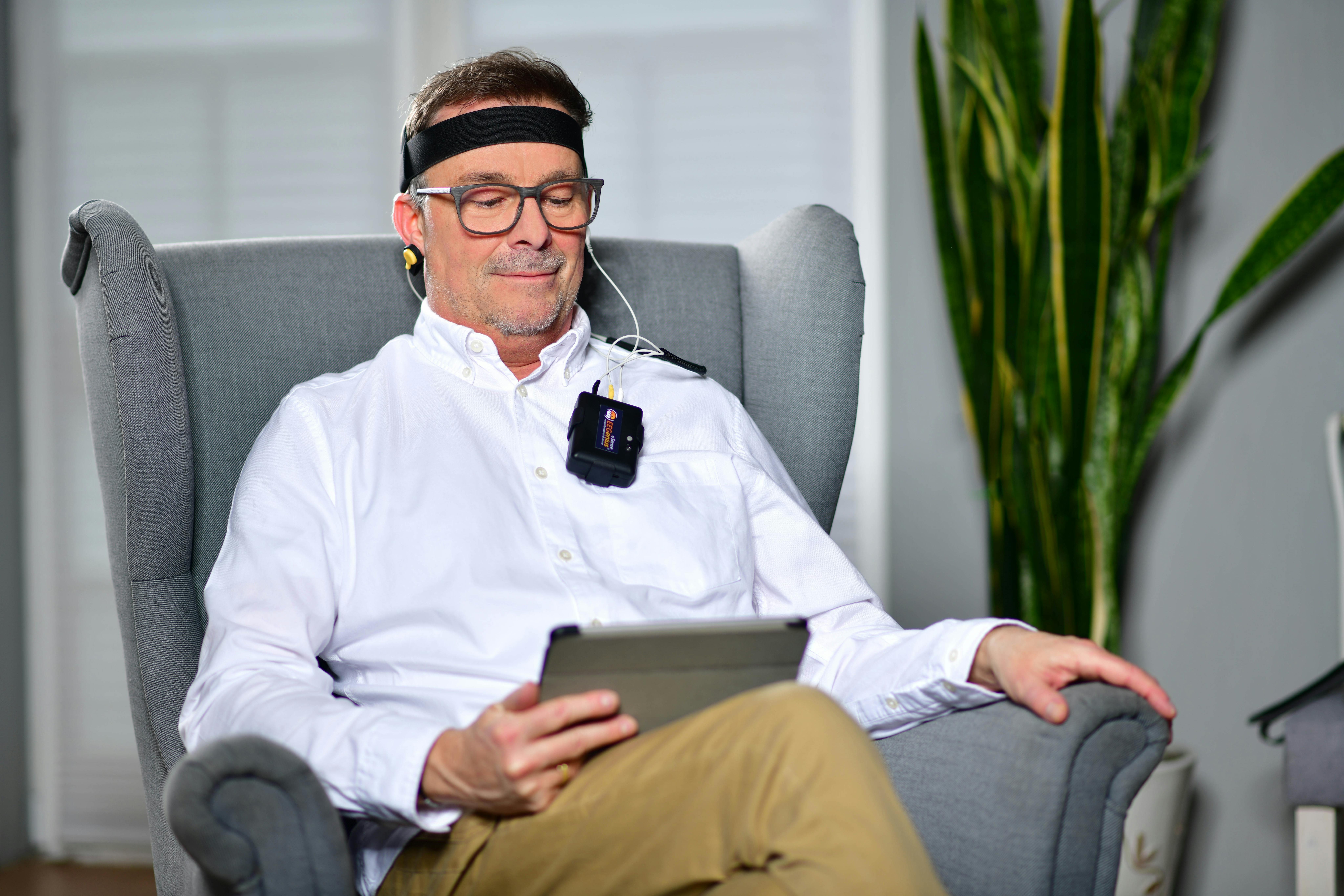
Virtual reality is revolutionizing mental health treatment by offering immersive anxiety conditioning that helps individuals face their fears in controlled, safe environments while building resilience.

🧠 Understanding VR Anxiety Conditioning: A New Era in Mental Health
Anxiety disorders affect millions of people worldwide, limiting their ability to live fulfilling lives and pursue their dreams. Traditional therapy methods, while effective, often require patients to confront their fears in real-world situations that can feel overwhelming or inaccessible. Virtual reality anxiety conditioning represents a groundbreaking approach that bridges the gap between therapeutic safety and real-world exposure.
VR anxiety conditioning uses immersive technology to create realistic scenarios where individuals can gradually face their fears under professional guidance. Unlike traditional exposure therapy, VR provides complete control over the intensity, duration, and nature of the exposure, allowing therapists to tailor experiences to each person’s specific needs and comfort levels.
The technology works by engaging multiple senses simultaneously, creating a sense of presence that tricks the brain into responding as if the situation were real. This authentic psychological response is what makes VR conditioning so effective—the brain forms new neural pathways and learns adaptive responses that translate into real-world situations.
🎯 How Virtual Reality Transforms Fear into Empowerment
The process of VR anxiety conditioning follows a systematic approach that gradually builds confidence and resilience. Rather than avoiding triggers, individuals learn to reframe their relationship with fear, transforming it from a paralyzing force into manageable stress that can be channeled productively.
When you enter a VR environment designed for anxiety conditioning, your brain receives signals that mimic real-world threats. Your heart rate may increase, palms might sweat, and you experience the familiar symptoms of anxiety. However, because you’re in a controlled environment with a therapist guiding you, you can practice coping strategies and witness firsthand that you can survive and manage these uncomfortable sensations.
The Science Behind Immersive Exposure
Neurological research has demonstrated that VR exposure therapy activates the same brain regions as real-life exposure. The amygdala, responsible for processing fear responses, shows similar activation patterns whether you’re confronting a real spider or a virtual one. This authentic neural engagement is crucial for creating lasting behavioral change.
What makes VR particularly powerful is its ability to activate the brain’s neuroplasticity—its capacity to form new connections and pathways. Through repeated exposure in a safe context, the brain begins to associate previously feared situations with safety rather than danger, effectively rewiring anxiety responses at a fundamental level.
💪 Types of Fears Successfully Treated with VR Technology
Virtual reality anxiety conditioning has proven effective for a remarkably diverse range of fears and phobias. The flexibility of the technology allows therapists to create customized scenarios for virtually any anxiety-provoking situation.
- Fear of heights (Acrophobia): Virtual environments can simulate tall buildings, bridges, or cliff edges with adjustable heights
- Fear of flying (Aviophobia): Complete flight simulations from boarding to landing, including turbulence scenarios
- Social anxiety: Virtual social situations ranging from one-on-one conversations to public speaking before large audiences
- Fear of enclosed spaces (Claustrophobia): Gradually smaller spaces like elevators, tunnels, or MRI machines
- Fear of public speaking (Glossophobia): Practice presentations before increasingly larger and more reactive virtual audiences
- PTSD triggers: Controlled re-exposure to trauma-related environments for processing and desensitization
- Specific phobias: Spiders, snakes, dogs, needles, blood, and countless other specific fear triggers
🔬 The VR Conditioning Process: From Fear to Mastery
Understanding the structured approach to VR anxiety conditioning helps demystify the process and sets realistic expectations for those considering this treatment option. The journey typically unfolds across several carefully designed phases.
Initial Assessment and Customization
Before beginning VR sessions, therapists conduct comprehensive assessments to understand the nature, intensity, and triggers of your anxiety. This information shapes the creation of a personalized exposure hierarchy—a roadmap that starts with mildly anxiety-provoking scenarios and gradually progresses to more challenging situations.
The customization extends beyond just the scenarios themselves. Therapists adjust visual details, environmental factors, intensity levels, and session duration based on your specific needs and progress. This personalized approach maximizes effectiveness while minimizing unnecessary distress.
Gradual Exposure and Skill Building
The actual conditioning begins with situations that provoke mild to moderate anxiety. You might start by simply viewing your feared object or situation from a distance in the virtual environment. As you practice relaxation techniques and coping strategies, you gradually move closer or increase the intensity of the exposure.
Each session builds upon previous successes, creating a foundation of confidence and competence. The therapist monitors your physiological responses and subjective distress levels, adjusting the experience in real-time to maintain optimal therapeutic intensity—challenging enough to promote growth, but not so overwhelming as to reinforce fear responses.
Integration and Real-World Application
As you progress through VR conditioning, therapists help you bridge the gap between virtual experiences and real-world situations. You discuss insights gained during sessions, practice applying coping strategies in daily life, and gradually begin confronting feared situations outside the virtual environment.
This integration phase is crucial for ensuring that the benefits of VR conditioning translate into lasting real-world change. Many individuals find that the confidence gained in virtual environments provides the courage needed to face actual situations they’ve been avoiding for years.
🚀 Advantages of VR Over Traditional Exposure Therapy
While traditional exposure therapy remains effective, virtual reality offers several distinct advantages that make it an increasingly preferred option for many individuals and therapists.
| Aspect | Traditional Exposure | VR Exposure |
|---|---|---|
| Control | Limited control over real-world variables | Complete control over all environmental factors |
| Safety | Real-world risks may exist | Completely safe environment |
| Accessibility | Some scenarios difficult or impossible to arrange | Any scenario can be created on demand |
| Cost | May require travel or special arrangements | One-time equipment investment |
| Repeatability | Difficult to replicate exact conditions | Identical scenarios available repeatedly |
| Privacy | Public exposure may increase anxiety | Private therapeutic setting |
The Convenience Factor
Consider someone with a fear of flying. Traditional exposure therapy would require actually booking flights, going to airports, and potentially boarding planes—expensive, time-consuming, and logistically complex. With VR, unlimited flight exposures can occur in the therapist’s office, allowing for more frequent practice and faster progress.
This convenience doesn’t diminish the treatment’s effectiveness. Research consistently shows that VR exposure produces anxiety reduction comparable to or exceeding traditional in-vivo exposure for many conditions, with the added benefits of greater accessibility and patient acceptance.
🎮 Applications and Tools for VR Anxiety Conditioning
The landscape of VR anxiety conditioning includes both clinical-grade systems used by healthcare professionals and consumer applications designed for self-guided exposure under appropriate circumstances.
Professional VR therapy systems typically offer sophisticated customization options, biometric monitoring, and comprehensive scenario libraries. These platforms allow therapists to track progress, adjust experiences in real-time, and integrate VR sessions with broader treatment plans. Systems like Psious, Limbix, and Oxford VR represent the current standard in clinical VR anxiety treatment.
Consumer-Accessible VR Applications
While professional guidance remains ideal, several consumer VR applications offer guided exposure experiences for common anxieties. These apps can serve as supplementary tools between therapy sessions or as entry points for individuals exploring VR-based anxiety management.
Applications like FearFree VR and Fearless provide structured exposure programs for specific phobias, while relaxation-focused VR apps like TRIPP offer immersive environments designed to reduce general anxiety and stress. These tools democratize access to VR-based anxiety management, though they work best as complements to, rather than replacements for, professional treatment.
🌟 Real Success Stories: Lives Transformed Through VR
The true measure of VR anxiety conditioning’s value lies in the transformed lives of those who’ve embraced this technology. Individuals who spent years avoiding elevators now ride them confidently. People who declined job opportunities requiring air travel now fly comfortably. Those who missed important life events due to social anxiety now engage fully in social situations.
A particularly compelling aspect of VR conditioning is how it empowers individuals to become active participants in their healing rather than passive recipients of treatment. The sense of agency that comes from repeatedly facing and overcoming virtual challenges translates into broader life confidence and resilience.
Beyond Symptom Reduction: Building Resilient Mindsets
The benefits of VR anxiety conditioning extend beyond eliminating specific fears. Participants often report developing a fundamentally different relationship with discomfort and anxiety. Rather than viewing anxiety as something to avoid at all costs, they learn to recognize it as manageable and temporary—a shift in perspective that affects how they approach all of life’s challenges.
This transformation from avoidance to approach represents perhaps the most valuable outcome of VR conditioning. When you’ve faced your deepest fears in virtual reality and emerged stronger, other life challenges seem more manageable by comparison. The courage cultivated in VR environments radiates outward into increased overall life engagement.
🔮 The Future of VR in Anxiety Treatment
The field of VR anxiety conditioning continues evolving rapidly, with emerging technologies promising even more effective and accessible treatments. Artificial intelligence integration will enable VR systems to automatically adjust scenarios based on real-time physiological feedback, optimizing the therapeutic experience without constant therapist intervention.
Haptic feedback technology—devices that provide physical sensations within VR—will enhance immersion and effectiveness. Imagine VR exposure for fear of dogs that includes the sensation of fur, or flight simulations with realistic vibrations and movement. These multisensory experiences will create even more authentic conditioning opportunities.
Expanding Access Through Technology
As VR hardware becomes more affordable and portable, access to anxiety conditioning will expand dramatically. Remote therapy sessions conducted through VR will bring specialized treatment to rural areas and underserved communities. The democratization of this technology means that effective anxiety treatment will no longer be limited by geography or economic resources.
Research continues uncovering new applications for VR in mental health, from treating eating disorders to managing chronic pain. The fundamental principle—using immersive technology to create safe spaces for confronting challenges and building new responses—has nearly limitless potential applications in healthcare and personal development.
🎯 Getting Started with VR Anxiety Conditioning
If you’re considering VR anxiety conditioning, beginning with a mental health professional experienced in VR therapy ensures the safest and most effective experience. Many therapists now incorporate VR into their practice, and directories like the Anxiety and Depression Association of America can help locate qualified practitioners in your area.
During initial consultations, discuss your specific fears, treatment goals, and any concerns about using VR technology. Some individuals experience motion sickness or disorientation in VR, though these effects typically diminish with brief acclimation periods. Qualified therapists know how to minimize discomfort while maximizing therapeutic benefit.
What to Expect During Your First Session
Your first VR anxiety conditioning session typically involves becoming comfortable with the technology before addressing anxiety-provoking content. You’ll learn how to use the VR equipment, explore neutral environments, and establish communication signals with your therapist. This orientation ensures you feel safe and in control before beginning exposure work.
Subsequent sessions progressively introduce anxiety-provoking scenarios according to your personalized exposure hierarchy. You’ll practice coping strategies, process your experiences with your therapist, and celebrate progress as you advance through increasingly challenging situations. The pace remains entirely under your control, with your therapist as a supportive guide throughout the journey.

💎 Transforming Your Relationship with Fear
VR anxiety conditioning represents more than just a novel treatment approach—it embodies a fundamental shift in how we understand and address anxiety. By creating safe spaces to confront fears, this technology empowers individuals to reclaim aspects of life that anxiety has stolen. The virtual becomes a training ground where new strengths are forged and carried into reality.
The transformation from fear to strength isn’t instantaneous, nor is it always linear. Progress involves setbacks, plateaus, and breakthroughs. What VR conditioning provides is a structured, evidence-based pathway through this journey, with technology serving as both tool and companion. Each virtual challenge overcome builds confidence, resilience, and the profound recognition that you are stronger than your fears.
As immersive technology continues advancing, the possibilities for anxiety treatment will expand in ways we’re only beginning to imagine. Yet the core principle remains constant: by facing what we fear in controlled, supportive environments, we discover inner resources we never knew existed. Virtual reality doesn’t eliminate fear—it teaches us to dance with it, transforming anxiety from an obstacle into an opportunity for growth and self-discovery.
Whether you struggle with specific phobias, social anxiety, or trauma-related fears, VR anxiety conditioning offers a path forward. The courage to begin is the only prerequisite. The technology, therapeutic expertise, and your own resilience will handle the rest, guiding you toward a life less limited by fear and more defined by possibility.