Virtual reality meditation is transforming how we approach mental wellness, blending cutting-edge technology with ancient mindfulness practices to create profoundly immersive healing experiences.

🌟 The Revolutionary Convergence of Technology and Mindfulness
In our hyperconnected world, finding moments of genuine peace has become increasingly challenging. Traditional meditation, while effective, can be difficult for beginners who struggle with wandering thoughts and environmental distractions. Virtual reality meditation emerges as a breakthrough solution, transporting users to serene digital environments that facilitate deeper relaxation and focused awareness.
The science behind VR meditation is compelling. When you don a VR headset, your brain responds to the immersive environment as if it were real. This phenomenon, known as presence, triggers genuine psychological and physiological responses. Your nervous system calms, cortisol levels decrease, and your mind enters states of consciousness previously achievable only through years of dedicated meditation practice.
What makes VR meditation particularly powerful is its ability to eliminate external distractions completely. Unlike traditional meditation where sounds, visual stimuli, and physical discomfort can interrupt your practice, virtual reality creates a controlled sanctuary. You’re no longer in your cluttered bedroom or noisy office—you’re standing beside a tranquil mountain stream or floating among the stars.
Understanding the Neuroscience Behind VR-Enhanced Meditation
Research in neuroscience reveals fascinating insights into how VR meditation affects brain function. Studies using functional MRI scans show that immersive meditation experiences activate the prefrontal cortex while simultaneously calming the amygdala—the brain’s anxiety center. This dual action creates an optimal state for healing and personal transformation.
The brain’s default mode network, responsible for self-referential thinking and rumination, shows decreased activity during VR meditation sessions. This reduction correlates with the peaceful, ego-dissolving experiences practitioners report. When you’re fully immersed in a virtual environment designed for meditation, your habitual thought patterns interrupt less frequently, allowing deeper states of awareness to emerge naturally.

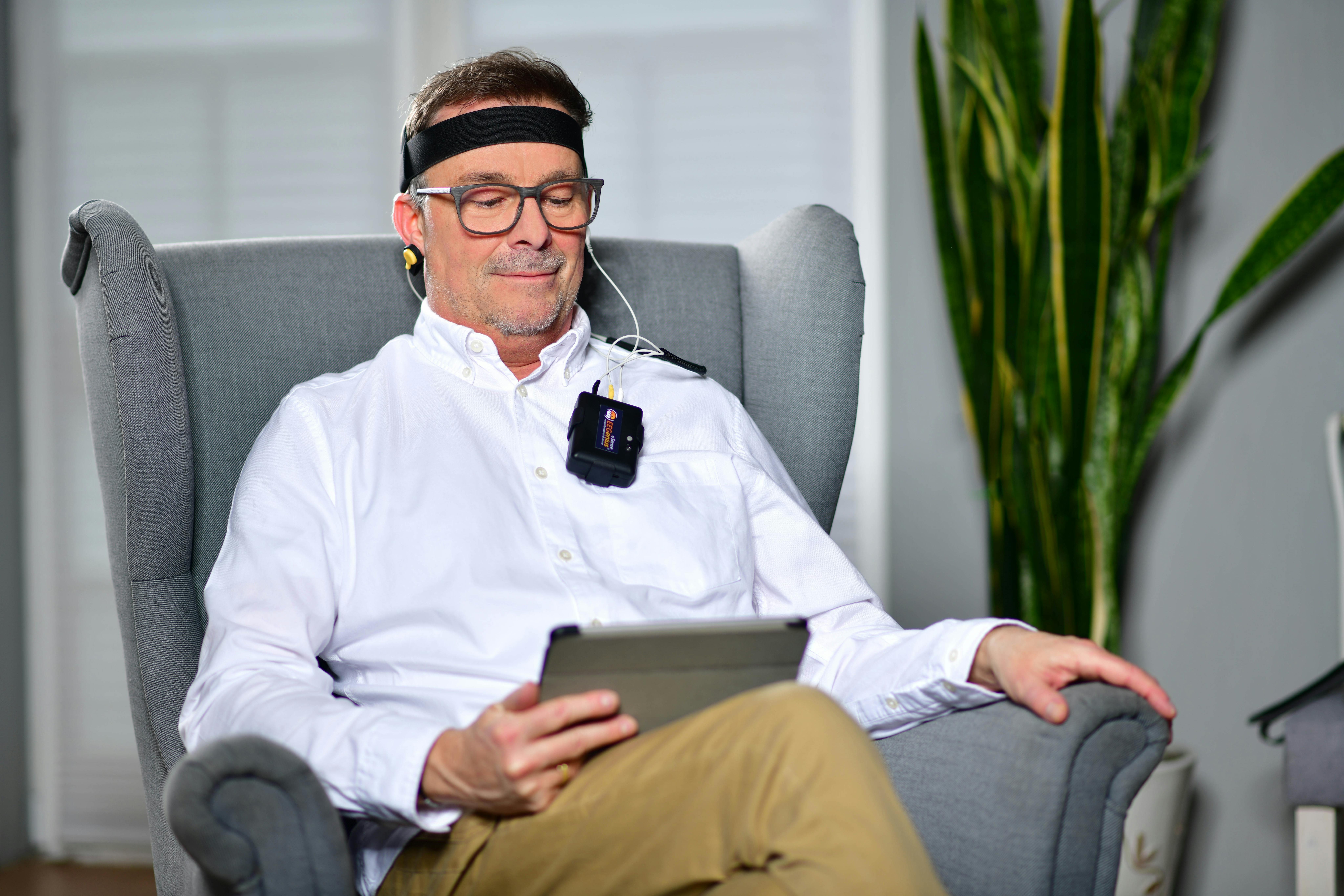
Brainwave measurements during VR meditation sessions reveal increased alpha and theta wave activity—patterns associated with relaxation, creativity, and the boundary between consciousness and subconsciousness. These states, which typically require considerable practice to achieve through conventional meditation, become more accessible through the heightened engagement that virtual reality provides.
The Embodied Experience: More Than Visual Stimulation
Modern VR meditation extends beyond visual immersion. Advanced platforms incorporate spatial audio that responds to head movements, creating three-dimensional soundscapes that enhance the sense of presence. Imagine hearing singing bowls resonating from specific locations around you, or ocean waves approaching from your left as seabirds call from above—this multisensory engagement deepens the meditative experience exponentially.
Some cutting-edge VR meditation systems even integrate haptic feedback and biofeedback mechanisms. Haptic devices can simulate gentle breezes, warmth from virtual sunlight, or the sensation of floating. Biofeedback sensors monitor your heart rate and breathing patterns, allowing the virtual environment to respond dynamically—perhaps dimming lights as you relax or synchronizing visual elements with your breath rhythm.
🧘 Transformative Benefits for Mental Health and Well-being
The therapeutic applications of VR meditation span an impressive range of mental health concerns. Clinical studies demonstrate significant reductions in anxiety symptoms among participants who engage in regular VR meditation practice. The immersive nature of these experiences appears particularly effective for individuals with generalized anxiety disorder, providing a safe space where the mind can release patterns of worry and catastrophic thinking.
Depression treatment represents another promising frontier. VR meditation experiences designed around themes of self-compassion, gratitude, and connection help rewire negative thought patterns. The visual and emotional impact of witnessing sunrise over virtual mountains or experiencing representations of personal growth can catalyze genuine shifts in perspective that talk therapy alone might take months to achieve.
For those struggling with PTSD and trauma, carefully designed VR meditation protocols offer controlled exposure therapy combined with calming techniques. Veterans, accident survivors, and others with traumatic memories can gradually build resilience in safe virtual environments, learning to regulate their nervous system responses while processing difficult emotions with professional guidance.
Stress Reduction in the Modern Age
Chronic stress has become an epidemic, contributing to cardiovascular disease, weakened immunity, and accelerated aging. VR meditation provides an accessible antidote. Even brief 10-minute sessions can significantly lower cortisol levels and blood pressure. The immersive escape from daily pressures allows your body’s stress response systems to reset, promoting parasympathetic nervous system activation—the “rest and digest” state essential for healing.
Corporate wellness programs increasingly incorporate VR meditation stations, recognizing that employee mental health directly impacts productivity and satisfaction. Workers report that midday VR meditation breaks help them return to tasks with renewed focus and creativity, while also improving workplace relationships through enhanced emotional regulation.
Physical Healing Through Mind-Body Connection
The mind-body connection, long acknowledged in Eastern medicine, gains new validation through VR meditation research. Studies show that immersive meditation experiences can influence physical health markers including inflammation levels, immune function, and even gene expression related to stress response.
Chronic pain management represents one of the most dramatic applications. Patients with conditions like fibromyalgia, arthritis, and migraines report substantial pain reduction following VR meditation protocols. The mechanism appears multifaceted—combining attention diversion, relaxation response activation, and the brain’s natural analgesic systems. Some pain clinics now prescribe VR meditation alongside conventional treatments, recognizing its effectiveness without the risks associated with pharmaceutical interventions.
Sleep quality improvements emerge as another significant benefit. Many practitioners find that evening VR meditation sessions help transition their nervous system from the day’s activation into restful states conducive to deep sleep. Virtual environments featuring dusk settings, gentle nature sounds, and guided relaxation techniques prepare both mind and body for restorative rest.
Cardiovascular and Immune System Support
Regular VR meditation practice shows measurable effects on cardiovascular health. Heart rate variability—an important indicator of cardiac resilience and autonomic nervous system balance—improves with consistent practice. Blood pressure reductions comparable to those achieved through medication have been documented in some studies, suggesting VR meditation as a valuable complementary approach for hypertension management.
Immune function also responds positively to VR meditation. Research indicates increased activity of natural killer cells and improved antibody responses among regular practitioners. The stress reduction and improved sleep quality that VR meditation facilitates create optimal conditions for immune system functioning, helping your body defend against illness and recover more efficiently from health challenges.
💫 Spiritual Awakening and Soul-Level Transformation
Beyond psychological and physical benefits, VR meditation opens doorways to profound spiritual experiences. The technology facilitates encounters with expanded states of consciousness that mystics and contemplatives have described throughout history—sensations of unity, transcendence of ego boundaries, and connection with something greater than individual self.
Virtual reality environments can be designed to represent sacred spaces from various traditions—Buddhist temples, forest groves, celestial realms—or entirely novel landscapes that exist beyond physical possibility. These settings become containers for spiritual exploration, offering frameworks that help practitioners access and integrate transcendent experiences safely.
The dissolution of ordinary perception that VR enables can catalyze genuine mystical experiences. Users report profound insights about the nature of existence, deep feelings of interconnection with all life, and encounters with archetypal imagery that facilitates psychological integration. While these experiences emerge from technological mediation, their transformative impact on consciousness appears authentic and lasting.
Cultivating Compassion and Emotional Intelligence
Specific VR meditation experiences focus on developing compassion—both for oneself and others. Loving-kindness meditation translated into immersive format allows practitioners to visualize sending goodwill to loved ones, neutral persons, and even difficult people, while surrounded by representations of universal love and connection. This practice strengthens neural pathways associated with empathy and prosocial behavior.
Emotional intelligence naturally develops through regular VR meditation. The practice of observing thoughts and feelings without judgment, enhanced by the focused attention that immersive environments facilitate, builds self-awareness. You become more skilled at recognizing emotional patterns, understanding their origins, and choosing conscious responses rather than reacting automatically.
🎯 Practical Applications: Integrating VR Meditation Into Daily Life
Starting a VR meditation practice requires minimal equipment—a quality VR headset and access to meditation applications designed for the platform. Entry-level options make the technology accessible to most interested individuals, while high-end systems offer enhanced visual fidelity and additional features for those seeking premium experiences.
Beginners should start with shorter sessions, perhaps 5-10 minutes, gradually extending duration as comfort with the technology and practice deepens. Most VR meditation platforms offer guided experiences, where a narrator provides instruction and support throughout the session. These guided journeys help newcomers establish fundamental meditation skills while enjoying the immersive environments.
Establishing consistency proves more important than session length. Daily practice, even brief, creates cumulative benefits that sporadic longer sessions cannot match. Consider scheduling VR meditation at the same time each day—perhaps morning practice to set intentions, lunchtime sessions for midday reset, or evening experiences to facilitate sleep transition.
Creating Your Optimal Practice Environment
While VR meditation eliminates external distractions, setting up your physical space thoughtfully enhances the experience. Ensure adequate room to extend your arms without hitting obstacles if you practice seated or standing. Some prefer meditation cushions or comfortable chairs that support extended sitting without causing physical discomfort that might break immersion.
Consider incorporating complementary practices alongside your VR meditation. Journaling immediately after sessions helps integrate insights and track progress over time. Breathwork exercises before donning the headset can deepen the subsequent meditation. Some practitioners combine VR meditation with yoga, using immersive experiences for savasana or meditation portions of their practice.
Choosing the Right VR Meditation Platform and Content
The expanding VR meditation landscape offers diverse options catering to different preferences and goals. Some platforms emphasize naturalistic environments—forests, beaches, mountains—that leverage our innate connection to nature for calming effects. Others explore abstract or fantastical realms, using color, movement, and form to facilitate altered states of consciousness.
Guided meditation content varies significantly in approach. Some favor secular mindfulness frameworks accessible to anyone regardless of spiritual background. Others incorporate specific traditions—Buddhist, Hindu, shamanic—offering authentic teachings within immersive contexts. Your personal resonance with particular teachers, philosophies, and aesthetic styles will guide optimal selections.
Interactive features distinguish advanced VR meditation platforms. Some respond to your gaze, creating environments that bloom or transform based on where you direct attention. Others incorporate gesture controls, allowing you to interact with virtual elements—lighting candles, arranging stones, or shaping the landscape—making the meditation experience active rather than purely passive.
Quality Indicators to Evaluate
When assessing VR meditation applications, consider visual and audio quality as primary factors. High-resolution graphics that maintain smooth frame rates prevent the motion sickness some users experience with lower-quality VR. Spatial audio implementation should feel natural, enhancing immersion rather than drawing attention to technological limitations.
Content variety and regular updates indicate committed development teams. Platforms offering diverse experiences—different environments, meditation styles, session lengths—accommodate your evolving practice better than limited libraries. Community features, including user reviews and shared experiences, help you discover content aligned with your intentions.
🌈 The Future of VR Meditation: Emerging Possibilities
Technological advancement continues expanding what’s possible within VR meditation. Artificial intelligence integration promises personalized experiences that adapt to your emotional state, meditation history, and stated goals. Imagine VR meditation environments that recognize when your attention wanders and subtly adjust to recapture focus, or that celebrate breakthrough moments with responsive visual feedback.
Social VR meditation represents another frontier. Early implementations allow users to practice together in shared virtual spaces, combining meditation’s benefits with human connection. These experiences might evolve into global meditation gatherings where thousands practice simultaneously in magnificent virtual temples or natural settings impossible in physical reality.
Neurofeedback integration will likely become standard, with real-time brainwave monitoring informing environmental adjustments. Your VR meditation could literally respond to your consciousness state, deepening when you achieve coherent brainwave patterns or providing support when mind-wandering increases. This feedback loop accelerates learning and deepens practice effectiveness.
Embracing the Journey Toward Wholeness
VR meditation represents far more than technological novelty—it’s a legitimate pathway toward healing and transformation. By meeting practitioners where contemporary life has placed us, surrounded by screens and digital interfaces, this approach leverages technology as a bridge back to timeless practices of inner cultivation. The contradiction dissolves upon experiencing how effectively immersive virtual environments can facilitate genuine presence and awareness.
Your journey with VR meditation will be uniquely yours, shaped by intentions, consistency, and openness to the process. Some days might bring profound insights and emotional releases. Others will feel ordinary, perhaps even frustrating. This variability mirrors traditional meditation—the practice lies in showing up regardless, trusting the cumulative effects unfolding beneath surface awareness.
As you explore VR meditation’s potential for mind, body, and soul healing, remember that the technology serves the practice, not the reverse. The headset is merely a vehicle transporting you toward states of consciousness where genuine healing occurs. Within those immersive digital sanctuaries, you encounter the same fundamental truth that meditators have discovered throughout millennia—that peace, wholeness, and profound well-being arise not from external circumstances but from the quality of awareness you bring to each moment. The virtual reality is simply a skillful means toward that eternal realization. ✨