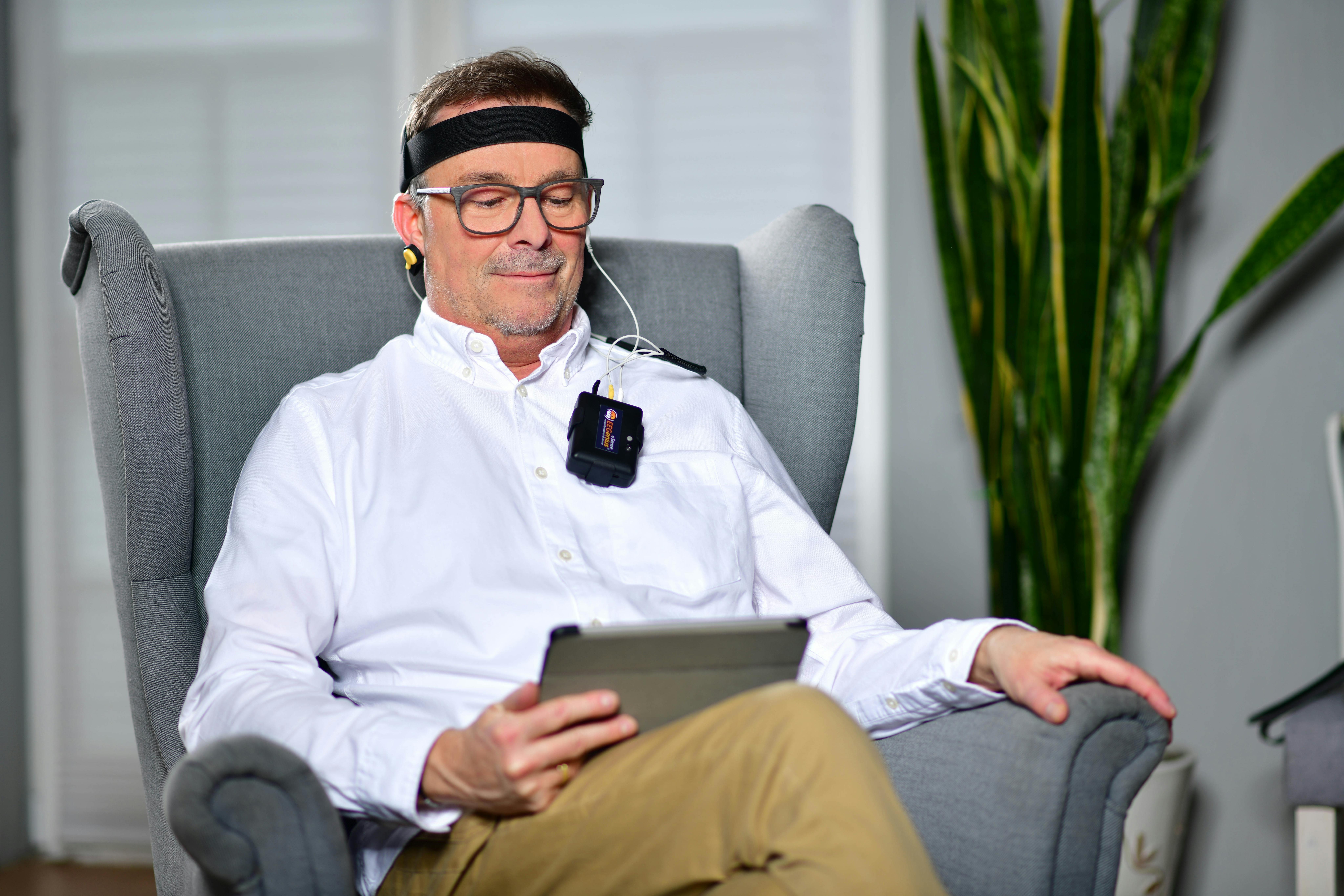
Virtual reality is revolutionizing how we approach personal development, offering immersive experiences that can fundamentally reshape our behaviors and habits in ways traditional methods never could.

🚀 Why Traditional Habit Change Methods Fall Short
For decades, we’ve relied on willpower, written journals, and motivational seminars to transform our lives. While these approaches have their merits, they often fail to create lasting change because they don’t address the deep-rooted neural pathways that govern our automatic behaviors. The disconnect between knowing what we should do and actually doing it represents one of the greatest challenges in personal development.
Research shows that approximately 92% of New Year’s resolutions fail by February, and the average person attempts to break a bad habit six times before succeeding. This staggering failure rate isn’t due to lack of desire or information—it’s because conventional methods don’t adequately engage the experiential learning systems in our brains that drive behavioral change.
Virtual reality behavioral change tools represent a paradigm shift in this landscape. By creating immersive, controlled environments where users can practice new behaviors and confront challenging situations safely, VR technology bridges the gap between intention and action in unprecedented ways.
🧠 The Neuroscience Behind VR-Powered Behavioral Change
Understanding why VR is so effective at facilitating habit transformation requires examining how our brains process virtual experiences. Neuroscientific research has revealed that the brain often cannot distinguish between well-designed virtual experiences and real-world situations, activating the same neural networks in both scenarios.
When you practice a behavior in virtual reality, your brain forms similar memory traces and neural pathways as it would during actual practice. This phenomenon, known as neuroplasticity, allows VR experiences to create lasting structural changes in the brain that support new habit formation.
Embodied Cognition and Presence
Two critical concepts underpin VR’s effectiveness for behavioral change: embodied cognition and presence. Embodied cognition refers to the idea that our physical experiences shape our thinking patterns. When you physically perform an action in VR—even if it’s simulated—your body and mind integrate that experience as meaningful practice.
Presence describes the psychological state of feeling genuinely “there” in the virtual environment. High-quality VR experiences achieve strong presence, which translates to more authentic emotional responses, deeper engagement, and more effective learning compared to passive observation or imagination-based techniques.
💡 Revolutionary VR Applications for Personal Growth
The applications of VR technology for habit transformation span numerous domains of personal development. From overcoming phobias to building professional skills, these tools are democratizing access to powerful change methodologies that were previously available only in specialized therapeutic or training settings.
Exposure Therapy for Anxiety and Phobias
Virtual reality exposure therapy has emerged as one of the most validated applications of VR in behavioral health. Traditional exposure therapy requires either imagining fearful situations or encountering them in real life, both of which have significant limitations. VR provides a middle ground—realistic enough to trigger authentic emotional responses, yet safe and controllable.
Individuals working to overcome social anxiety can practice public speaking in front of realistic virtual audiences. Those with agoraphobia can gradually expose themselves to crowded spaces. Research published in the Journal of Anxiety Disorders shows that VR exposure therapy produces comparable or superior results to traditional methods while requiring fewer sessions.
Building Confidence and Communication Skills
Professional development represents another frontier for VR behavioral tools. Platforms now offer realistic scenarios where users can practice difficult conversations, leadership situations, and interpersonal skills without the high stakes of real-world consequences.
Sales professionals can refine their pitch techniques with AI-powered virtual clients who respond dynamically to different approaches. Job seekers can rehearse interviews in realistic office environments. Public speakers can practice their presentations while the system tracks eye contact, pace, and vocal patterns, providing immediate feedback for improvement.
Meditation and Mindfulness Enhancement
Mindfulness meditation has proven benefits for stress reduction, emotional regulation, and habit control, but many people struggle to maintain consistent practice. VR meditation experiences solve several obstacles that prevent regular meditation by providing immersive, distraction-free environments that make the practice more accessible and engaging.
Virtual meditation spaces can transport users to serene mountain peaks, peaceful forests, or abstract contemplative environments specifically designed to facilitate focused attention. Guided sessions incorporate visual and spatial elements that enhance the traditional audio-only format, making meditation more approachable for beginners.
🎯 Evidence-Based Benefits of VR Behavioral Tools
The enthusiasm surrounding VR for personal development isn’t merely technological hype—it’s supported by a growing body of peer-reviewed research demonstrating measurable outcomes across various domains of behavioral change.
Accelerated Learning and Skill Acquisition
Studies consistently show that VR training produces faster skill acquisition compared to traditional methods. A PwC study found that VR-trained employees completed training four times faster than classroom learners and felt 275% more confident applying skills learned in training.
This acceleration occurs because VR enables deliberate practice—focused, repetitive engagement with specific skills while receiving immediate feedback. The immersive nature of VR also enhances focus, reducing the distractions that plague traditional learning environments.
Improved Retention and Transfer
Beyond learning speed, VR excels at creating lasting behavioral change that transfers to real-world contexts. Research published in Nature demonstrates that spatial memory and motor skills practiced in VR environments show strong retention rates over time and successfully transfer to analogous real-world situations.
This transfer effectiveness stems from the experiential nature of VR learning. Rather than abstract knowledge, users develop procedural memories—the “muscle memory” and automatic responses that characterize truly ingrained habits.
Enhanced Emotional Engagement
Emotional engagement is crucial for behavioral change because our emotional systems strongly influence habit formation and motivation. VR’s ability to evoke authentic emotional responses creates opportunities for working with habits at their emotional roots.
For example, individuals working to change stress-eating patterns can use VR to practice alternative responses to stressful situations, experiencing the emotional triggers in a controlled environment where they can rehearse healthier coping mechanisms before facing real-world challenges.
🛠️ Cutting-Edge VR Tools Transforming Habits Today
The VR behavioral change ecosystem has expanded dramatically, with specialized tools targeting different aspects of personal growth. These platforms leverage advanced technologies including artificial intelligence, biometric feedback, and adaptive algorithms to personalize the change process.
Comprehensive Behavior Change Platforms
Several comprehensive platforms now offer multi-dimensional approaches to habit transformation. These systems typically combine VR experiences with tracking tools, community support, and evidence-based behavioral science frameworks to create holistic change ecosystems.
These platforms recognize that sustainable habit change requires more than isolated practice sessions. They integrate goal-setting features, progress tracking, social accountability mechanisms, and personalized adaptation based on user performance and preferences.
Specialized Therapeutic VR Applications
Clinical-grade VR applications focus on specific behavioral health challenges, often designed in collaboration with psychologists and validated through clinical trials. These tools target conditions like PTSD, addiction, eating disorders, and specific phobias with evidence-based protocols delivered through immersive experiences.
What distinguishes therapeutic VR tools is their grounding in established psychological frameworks like cognitive behavioral therapy, exposure therapy, and mindfulness-based interventions. They translate proven therapeutic techniques into interactive VR experiences that users can access independently or alongside professional treatment.
Fitness and Physical Habit Development
VR fitness applications gamify physical activity, making exercise more engaging and sustainable as a habit. These tools address one of the primary obstacles to fitness habit formation: the perception of exercise as boring or unpleasant.
By transforming workouts into games, adventures, or competitive experiences, VR fitness tools activate motivational systems differently than traditional exercise. Users report that VR workouts feel shorter and more enjoyable, leading to better adherence rates compared to conventional fitness routines.
📊 Implementing VR Tools in Your Personal Development Journey
Successfully integrating VR behavioral tools into your personal growth practice requires thoughtful planning and realistic expectations. While the technology is powerful, it works best as part of a comprehensive approach to habit transformation rather than a magic solution.
Assessing Your Readiness and Resources
Begin by identifying specific behaviors you want to change and evaluating whether VR tools exist that target those areas. Not all habit changes benefit equally from VR intervention—the technology excels particularly for skills requiring practice, behaviors linked to anxiety or fear, and habits where immersive rehearsal provides advantages over other methods.
Consider the practical requirements including headset access, physical space for VR use, time commitment, and potential costs. Entry-level VR headsets have become increasingly affordable, with capable standalone devices available that don’t require expensive computer systems.
Creating a Structured Practice Protocol
Consistency matters more than intensity when building new neural pathways. Establish a regular schedule for VR practice sessions rather than sporadic intensive use. Research on habit formation suggests that daily practice, even in short sessions, produces better long-term results than irregular extended sessions.
Track your progress systematically to maintain motivation and identify patterns. Many VR behavioral tools include built-in tracking features, but supplementing with external journaling or measurement can provide additional insights into how virtual practice translates to real-world behavioral change.
Bridging Virtual Practice to Real-World Application
The ultimate goal is real-world habit change, not simply proficiency in virtual environments. Deliberately create opportunities to apply skills practiced in VR to actual situations. This transfer process reinforces learning and helps identify gaps between virtual and real-world performance.
Consider VR practice as preparation rather than replacement for real experience. Use the confidence and skills developed virtually as a foundation for taking action in your life, gradually expanding your comfort zone and solidifying new behavioral patterns through repeated real-world practice.
🌐 The Future Landscape of VR Personal Development
The intersection of virtual reality and behavioral change is still in its early stages, with emerging technologies promising even more powerful tools for personal transformation in the coming years.
AI-Powered Personalization
Artificial intelligence integration will enable VR behavioral tools to adapt dynamically to individual users, customizing difficulty levels, pacing, and content based on real-time performance and biometric data. These systems will identify optimal challenge points that maximize learning without overwhelming users.
Machine learning algorithms will analyze patterns across millions of users to identify the most effective intervention strategies for specific behavioral challenges and personality types, making evidence-based personal development increasingly accessible and effective.
Biometric Integration and Closed-Loop Systems
Future VR systems will incorporate comprehensive biometric monitoring including heart rate variability, skin conductance, eye tracking, and brain activity measurements. These physiological signals provide objective data about emotional states and cognitive load, enabling more sophisticated and responsive training experiences.
Closed-loop systems that adjust in real-time based on physiological feedback will optimize the balance between challenge and capability, keeping users in the optimal zone for learning and habit formation while preventing frustration or boredom.
Social VR for Collective Growth
Shared virtual spaces will facilitate group personal development experiences, combining the power of social support with immersive technology. Users will practice interpersonal skills with real people in virtual environments, join virtual accountability groups, and participate in collective challenges that leverage both technological and social mechanisms for behavioral change.
These social VR platforms will create communities around specific growth goals, providing support networks that understand the unique challenges of particular habit changes while offering encouragement and shared experiences.

🎬 Taking Your First Step Into VR-Enhanced Personal Growth
The transformation of personal development through virtual reality represents more than a technological innovation—it’s a fundamental expansion of human capacity for growth and change. By engaging our experiential learning systems directly, VR tools bypass many obstacles that have historically made sustainable behavioral change so challenging.
Whether you’re working to overcome anxiety, build professional skills, establish healthier physical habits, or develop greater emotional resilience, VR behavioral tools offer new pathways to becoming the person you aspire to be. The immersive, experiential nature of these technologies creates opportunities for practice, feedback, and refinement that traditional methods simply cannot match.
As these tools become increasingly sophisticated, accessible, and evidence-based, they will likely become standard components of personal development practices. Early adopters have the opportunity to gain advantages from these technologies while the field continues to evolve and improve.
The future of personal growth is experiential, immersive, and technologically enhanced. Virtual reality behavioral change tools aren’t replacing traditional personal development methods—they’re augmenting them, providing powerful new capabilities that make lasting transformation more achievable than ever before. The question isn’t whether VR will play a role in your personal growth journey, but rather when you’ll take advantage of these revolutionary tools to unlock your full potential.
Start small, remain consistent, and trust the process. The habits you build today in virtual environments become the reality you live tomorrow. Your transformed future is waiting—sometimes all it takes is putting on a headset and taking that first immersive step toward becoming who you’re meant to be.