Neurofeedback technology is revolutionizing how we optimize brain function, offering unprecedented access to our neural patterns and cognitive potential through advanced closed-loop systems.

🧠 The Science Behind Closed-Loop Neurofeedback
Closed-loop neurofeedback represents a sophisticated approach to brain training that creates a dynamic, real-time conversation between your brain activity and external feedback mechanisms. Unlike traditional neurofeedback systems that operate on fixed protocols, closed-loop models continuously adapt based on your brain’s immediate responses, creating a personalized optimization pathway.

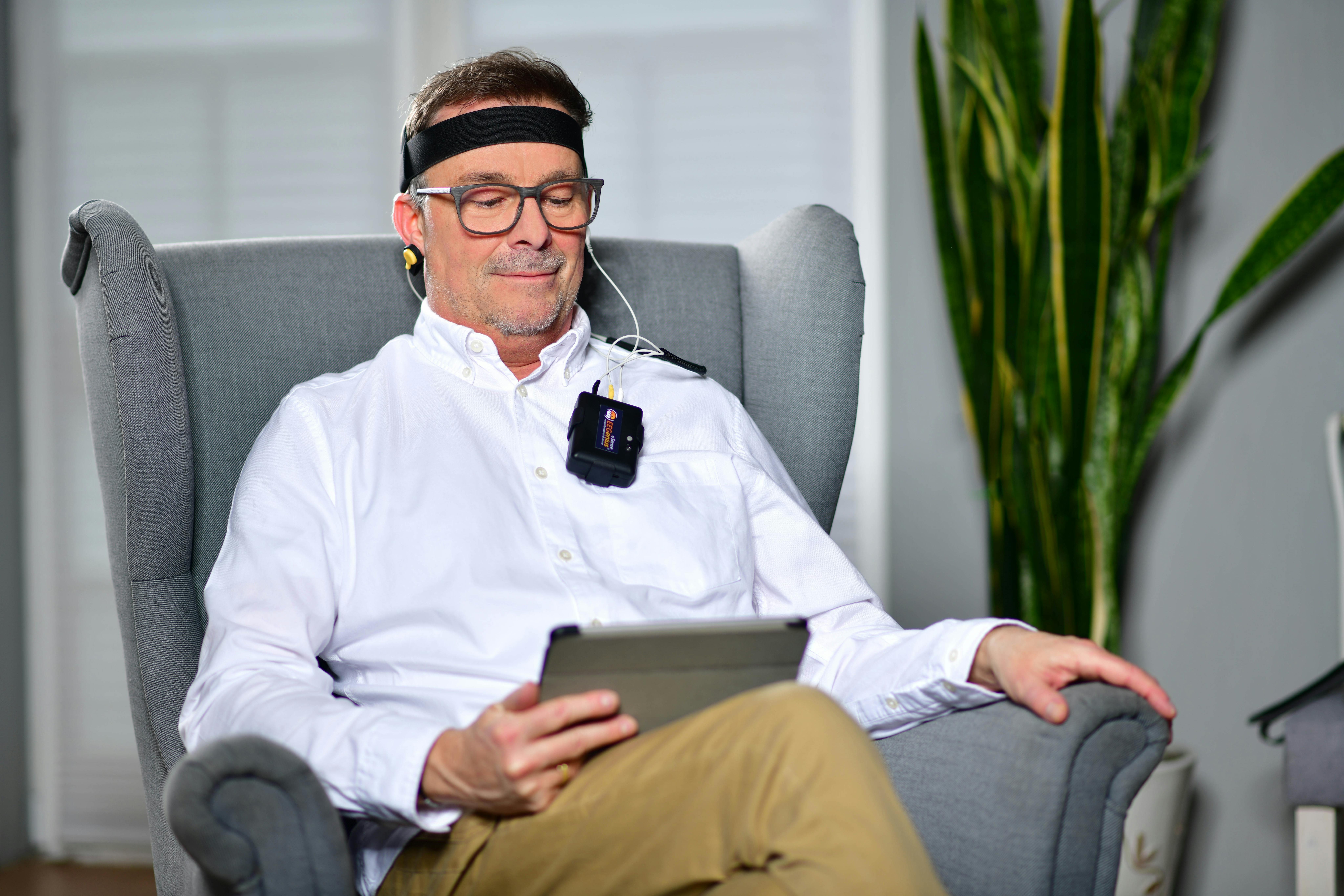
At its core, this technology measures specific brainwave patterns through electroencephalography (EEG) sensors, processes this neural data through advanced algorithms, and delivers immediate feedback that encourages beneficial brain state changes. The “closed-loop” aspect refers to this continuous cycle of measurement, analysis, and responsive adjustment that happens within milliseconds.
Research published in leading neuroscience journals demonstrates that closed-loop neurofeedback can produce measurable improvements in cognitive performance, emotional regulation, and overall brain health. The mechanism works by reinforcing desired neural patterns while discouraging counterproductive ones, essentially training your brain like you would train any other muscle in your body.
Understanding Your Brain’s Frequency Bands
To harness the full power of neurofeedback, understanding the different brainwave frequencies is essential. Your brain operates across multiple frequency bands simultaneously, each associated with distinct mental states and cognitive functions.
Delta waves (0.5-4 Hz) dominate during deep sleep and restorative states. Theta waves (4-8 Hz) appear during meditation, creativity, and light sleep phases. Alpha waves (8-12 Hz) characterize relaxed alertness and calm focus. Beta waves (12-30 Hz) indicate active thinking and concentration, while gamma waves (30-100 Hz) correlate with peak cognitive performance and information processing.
Closed-loop neurofeedback systems target specific frequency bands based on your performance goals. An athlete seeking enhanced reaction times might train to increase sensorimotor rhythm activity, while someone struggling with anxiety might work to strengthen alpha coherence and reduce excessive beta activity.
💡 How Closed-Loop Systems Outperform Traditional Methods
The superiority of closed-loop neurofeedback lies in its adaptive intelligence. Traditional neurofeedback follows predetermined protocols regardless of individual response variations, but closed-loop systems adjust their parameters in real-time based on your unique neural signature and immediate responses.
This personalization extends to threshold adjustments, feedback modality selection, and training duration. If your brain shows signs of fatigue, the system automatically modifies its demands. When you enter an optimal learning state, it capitalizes on that window with intensified training. This responsiveness maximizes training efficiency while minimizing frustration and mental exhaustion.
Clinical studies comparing closed-loop and open-loop neurofeedback consistently show superior outcomes with closed-loop approaches. Participants achieve target states more quickly, maintain improvements longer, and report higher satisfaction with the training process. The technology essentially creates a customized brain gym that evolves with your progress.
Practical Applications for Peak Performance
Elite athletes have been early adopters of closed-loop neurofeedback, recognizing its potential to create competitive advantages. Professional sports teams now employ neurofeedback specialists to help athletes develop mental resilience, improve focus under pressure, and accelerate recovery between competitions.
The applications extend far beyond athletics. Corporate executives use neurofeedback to enhance decision-making capabilities and stress management. Students employ it to improve concentration and memory retention. Creative professionals leverage it to access flow states more reliably. Military personnel train with it to maintain composure in high-stress situations.
In clinical settings, closed-loop neurofeedback shows promising results for conditions including ADHD, anxiety disorders, depression, PTSD, and insomnia. The non-invasive nature and absence of pharmaceutical side effects make it an attractive complementary or alternative treatment option for many individuals.
🎯 Designing Your Personal Neurofeedback Protocol
Effective neurofeedback training begins with clear objective setting. Are you seeking improved focus and productivity? Enhanced emotional regulation? Better sleep quality? Faster learning capabilities? Your specific goals determine which neural patterns to target and reinforce.
A comprehensive initial assessment establishes your baseline brain activity patterns. This typically involves recording your EEG activity during various tasks and rest states, identifying areas of suboptimal function or dysregulation. Advanced systems create detailed brain maps showing frequency distribution, connectivity patterns, and hemispheric balance.
Training protocols are then customized to address identified areas for improvement. A person with attention difficulties might train to increase beta activity in frontal regions while reducing theta intrusion. Someone with anxiety might focus on strengthening alpha production and improving right-hemisphere regulation.
The Technology Behind the Transformation
Modern closed-loop neurofeedback systems integrate multiple technological components working in concert. High-quality EEG sensors capture electrical brain activity with precision, often using dry electrode technology that eliminates the need for conductive gels and simplifies setup.
Signal processing algorithms filter out artifacts from muscle activity, eye movements, and electrical interference, isolating the genuine neural signals. Machine learning capabilities enable the system to recognize patterns and predict optimal intervention timing with increasing accuracy as it learns your individual neural characteristics.
Feedback delivery methods vary widely and can be customized to user preference. Visual feedback might include changing colors, moving objects, or video playback that continues only when target brain states are maintained. Auditory feedback uses tones, music volume, or ambient sounds. Some systems incorporate tactile feedback through vibration patterns.
⚡ Optimizing Your Training Sessions
Session frequency and duration significantly impact neurofeedback outcomes. Most protocols recommend 2-3 sessions weekly, with each session lasting 20-40 minutes. Consistency proves more important than intensity—regular practice allows neural changes to consolidate and become automatic.
The training environment matters considerably. Choose a quiet space with minimal distractions where you can sit comfortably for the session duration. Maintain adequate hydration and avoid training when excessively tired or stressed, as these factors can compromise signal quality and learning capacity.
Progress tracking provides motivation and allows protocol adjustments. Keep records of subjective experiences alongside objective metrics. Note changes in mood, energy levels, sleep quality, and performance on relevant tasks. Many systems automatically track progress, showing trends in how quickly you achieve target states and how stable those states become over time.
Integrating Neurofeedback with Other Performance Strategies
Closed-loop neurofeedback delivers optimal results when integrated into a comprehensive performance enhancement strategy. Nutrition profoundly affects brain function—adequate omega-3 fatty acids, antioxidants, and proper hydration support neural plasticity and training responsiveness.
Physical exercise creates synergistic effects with neurofeedback training. Cardiovascular activity increases brain-derived neurotrophic factor (BDNF), enhancing your brain’s capacity to form new neural connections. The combination of physical conditioning and targeted neural training produces results exceeding either intervention alone.
Mindfulness practices and neurofeedback complement each other beautifully. Meditation develops awareness of mental states, while neurofeedback provides objective feedback about those states. Together, they accelerate the development of voluntary control over attention, emotion, and cognitive performance.
🔬 The Research Foundation
Decades of scientific investigation support neurofeedback’s efficacy across multiple domains. Functional MRI studies reveal that neurofeedback training produces measurable changes in brain structure and connectivity, not merely temporary state changes. These neuroplastic adaptations explain why benefits often persist long after training concludes.
Meta-analyses examining neurofeedback for ADHD consistently show medium to large effect sizes comparable to stimulant medications but without side effects. Research on peak performance applications demonstrates improved reaction times, enhanced working memory, and better sustained attention following targeted training protocols.
Emerging research explores closed-loop neurofeedback for accelerating skill acquisition, enhancing creativity, and optimizing team coordination. Studies using simultaneous multi-person neurofeedback (hyperscanning) investigate applications for improving communication and collaboration by synchronizing brain activity patterns between individuals.
Choosing the Right Neurofeedback System
The neurofeedback technology landscape includes options ranging from clinical-grade systems costing thousands of dollars to consumer devices under a few hundred. Understanding the tradeoffs helps you select appropriate technology for your needs and budget.
Clinical systems offer superior signal quality, extensive protocol libraries, and professional-grade analysis tools. They’re ideal for addressing specific clinical conditions or when working with a trained practitioner. The investment makes sense for serious performance optimization or therapeutic applications.
Consumer-grade neurofeedback devices provide accessible entry points into brain training. While signal quality and protocol sophistication may be limited compared to clinical systems, many deliver meaningful benefits for general wellness and performance enhancement. Some excellent consumer options include sophisticated closed-loop capabilities at accessible price points.
📊 Measuring Success Beyond Brain Metrics
While EEG improvements provide important feedback, real-world performance changes represent the ultimate success metrics. Athletes should track relevant performance indicators—sprint times, accuracy measures, recovery rates. Students can monitor grades, study efficiency, and test performance.
Subjective well-being measures matter enormously. Standard questionnaires assessing anxiety, depression, sleep quality, and life satisfaction provide quantifiable data on experiential improvements. Many users report enhanced emotional stability, increased resilience, and improved relationship quality as valuable training outcomes.
Cognitive testing batteries measure working memory capacity, processing speed, attention span, and executive function. Administering these assessments before training begins and at regular intervals documents objective cognitive improvements and helps optimize protocol selection.
Common Challenges and Solutions
Initial sessions sometimes feel frustrating as your brain learns to respond to feedback signals. This learning curve is normal and typically resolves within 3-5 sessions. Patience and consistent practice allow the implicit learning processes underlying neurofeedback to develop naturally.
Artifact contamination from muscle tension, eye movements, or environmental electrical noise can compromise training effectiveness. Learning proper relaxation, maintaining steady gaze, and ensuring good electrode contact minimize these issues. Quality systems include artifact detection algorithms that pause training when signal quality deteriorates.
Some individuals experience temporary fatigue or mild headaches after initial sessions as their brains adapt to new patterns. These effects typically resolve quickly and can be managed by reducing session duration or training intensity initially. Adequate hydration and post-session rest support comfortable adaptation.
🚀 Future Directions in Neurofeedback Technology
Artificial intelligence integration represents the frontier of neurofeedback advancement. Machine learning algorithms analyze vast datasets from thousands of users, identifying optimal protocols for specific goals and individual characteristics with unprecedented precision. Predictive models forecast which approaches will work best for your unique neural profile.
Miniaturization continues making neurofeedback increasingly portable and convenient. Next-generation devices integrate seamlessly into daily life through comfortable wearables that provide continuous monitoring and opportunistic training during natural downtime. This ubiquitous approach may dramatically enhance training effectiveness.
Virtual reality integration creates immersive neurofeedback experiences where your brain activity directly controls virtual environments. This gamification increases engagement and motivation while providing naturalistic training contexts that better transfer to real-world performance situations.
Building Sustainable Neurofeedback Practices
Long-term success requires transforming neurofeedback from a temporary intervention into an integrated wellness practice. Establishing consistent training schedules, maintaining detailed progress records, and periodically reassessing goals keeps your practice aligned with evolving objectives.
Working with qualified practitioners, at least initially, accelerates progress and avoids common pitfalls. Board-certified neurofeedback specialists provide expertise in protocol selection, troubleshooting challenges, and interpreting results. Many offer hybrid models combining in-person sessions with supported home training.
Community connection enhances motivation and provides valuable perspective sharing. Online forums, user groups, and social media communities dedicated to neurofeedback offer support, protocol ideas, and encouragement during challenging phases of your training journey.

🌟 Transforming Potential into Performance
Closed-loop neurofeedback technology provides unprecedented access to your brain’s vast untapped potential. By creating precise, personalized training protocols that adapt moment-by-moment to your unique neural patterns, these systems accelerate the development of optimal brain function across cognitive, emotional, and performance domains.
The convergence of neuroscience understanding, technological sophistication, and accessibility has created a remarkable opportunity for anyone serious about maximizing their mental capabilities. Whether pursuing athletic excellence, academic achievement, professional advancement, creative expression, or clinical recovery, neurofeedback offers a scientifically-validated pathway toward your goals.
Success requires commitment, consistency, and patience as your brain gradually rewires itself toward more efficient patterns. The investment of time and resources pays dividends across every domain where your brain determines outcomes—essentially, every aspect of your life. As you develop greater voluntary control over your neural states, you unlock capabilities that seemed beyond reach.
The future of human performance optimization increasingly centers on direct brain training approaches like closed-loop neurofeedback. Early adopters position themselves at the forefront of this transformation, developing competitive advantages while contributing to the expanding body of knowledge about human neural potential. Your journey toward peak brain function begins with a single training session—the question is whether you’re ready to unlock what your brain can truly achieve.