Your brain is your most powerful tool, and now you can unlock its full potential through real-time brain monitoring technology that transforms how you think, perform, and thrive.

🧠 The Revolutionary Shift in Understanding Your Brain
Imagine having a window into your mind, seeing exactly how your brain responds to stress, focus, meditation, and daily challenges. Real-time brain monitoring has moved from science fiction to accessible reality, offering unprecedented insights into our cognitive function and mental states. This technology empowers individuals to understand their neural patterns, optimize performance, and cultivate mental wellness with precision never before possible.
The human brain generates electrical activity constantly, producing patterns that reflect our mental states, emotions, and cognitive processes. For decades, this information remained locked within expensive laboratory equipment. Today, innovative neurotechnology brings these capabilities to consumers, athletes, professionals, and wellness enthusiasts seeking to enhance their mental performance.
Brain monitoring devices use electroencephalography (EEG) sensors to detect electrical signals produced by neurons. These biosignals reveal whether you’re deeply focused, relaxed, stressed, or entering flow states. By translating this data into actionable insights, you gain conscious control over unconscious processes that typically operate in the background.
How Real-Time Brain Monitoring Actually Works
The science behind brain monitoring combines neuroscience, signal processing, and machine learning to deliver meaningful feedback. EEG sensors placed on your scalp detect voltage fluctuations caused by neural activity. These signals are amplified, filtered, and processed through algorithms that identify specific brainwave patterns.
Your brain produces five primary brainwave frequencies, each associated with different mental states:
- Delta waves (0.5-4 Hz): Deep sleep and healing
- Theta waves (4-8 Hz): Meditation, creativity, and memory consolidation
- Alpha waves (8-13 Hz): Relaxed alertness and calm focus
- Beta waves (13-30 Hz): Active thinking, problem-solving, and concentration
- Gamma waves (30-100 Hz): Peak cognitive performance and information processing
Modern brain monitoring systems analyze these frequencies in real-time, providing immediate feedback about your mental state. This creates a biofeedback loop where you can actively train your brain to produce desired patterns, similar to how athletes train their muscles.
The Technology Behind the Transformation

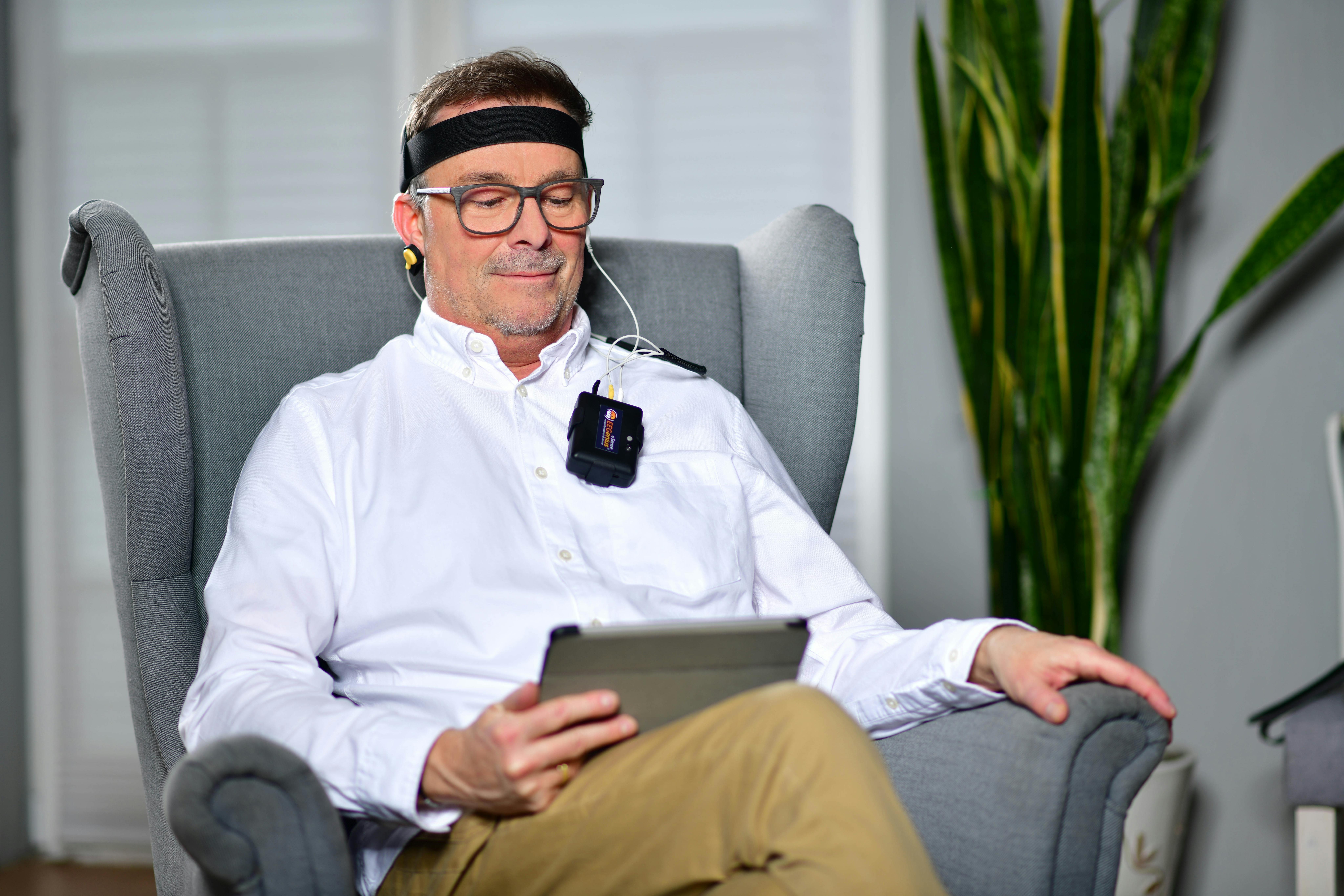
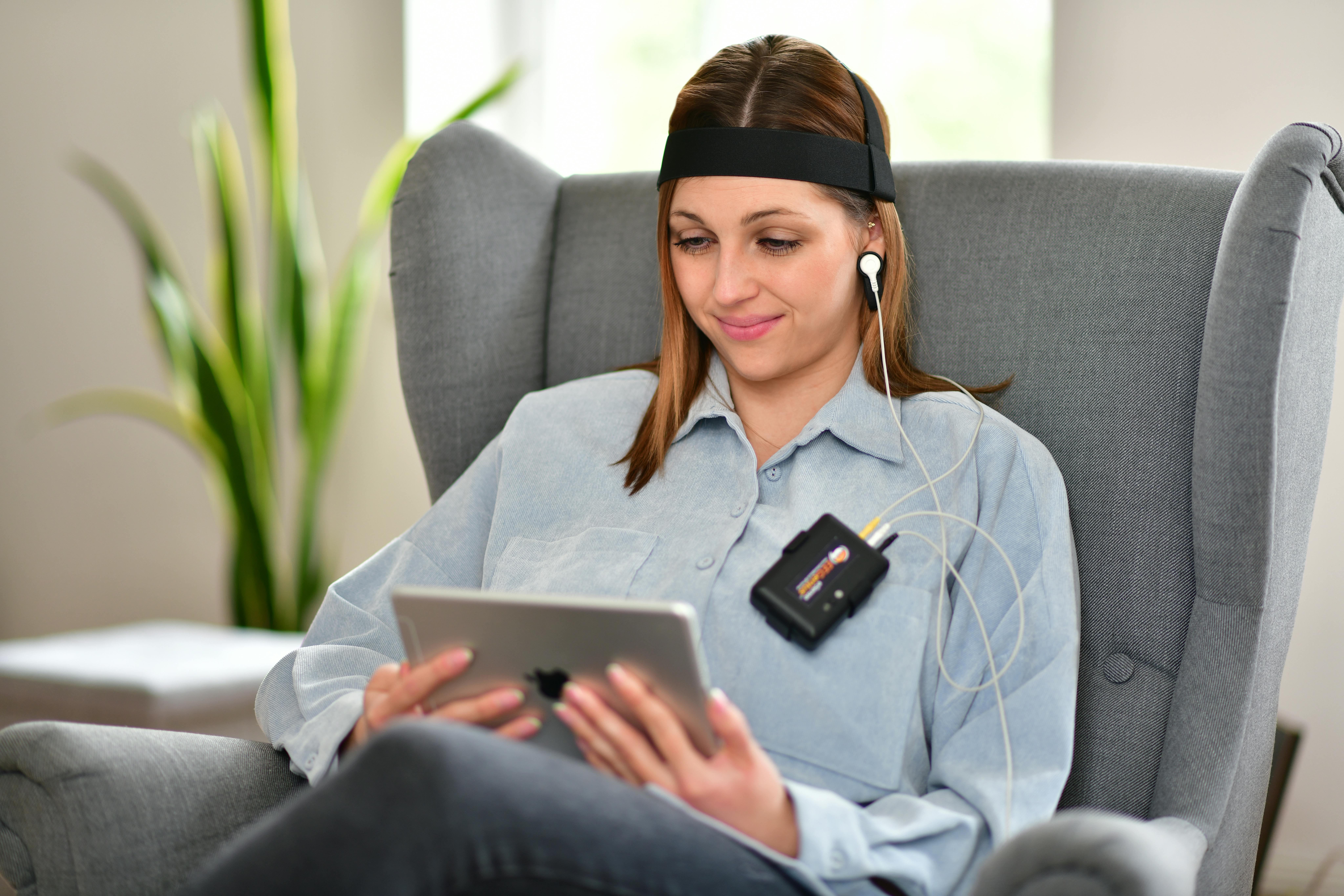
Contemporary neurotechnology devices have become remarkably sophisticated yet user-friendly. Lightweight headbands, headsets, and even ear-clip sensors now capture brain activity with medical-grade accuracy. These devices connect wirelessly to smartphones or computers, displaying your brain activity through intuitive visualizations and guided training programs.
Advanced algorithms filter out noise and artifacts from muscle movements, eye blinks, and environmental interference. Machine learning models personalize the experience, adapting to your unique neural signature and tracking progress over time. This personalization ensures that feedback remains relevant and actionable for your specific goals.
🎯 Peak Performance: Training Your Brain Like an Athlete
Elite athletes, executives, and high performers increasingly rely on brain monitoring to gain competitive advantages. Neurofeedback training allows you to identify and cultivate the exact mental states associated with peak performance in your domain.
Professional athletes use brain monitoring to develop pre-performance routines that consistently induce optimal brain states. Golfers learn to enter alpha-dominant states before crucial putts. Basketball players train beta patterns associated with rapid decision-making during fast breaks. Endurance athletes develop the mental resilience patterns that carry them through challenging moments.
In business and professional contexts, brain monitoring reveals patterns associated with productive flow states. You can identify conditions that facilitate deep work, recognize when mental fatigue begins to compromise performance, and optimize your schedule around your brain’s natural rhythms. This data-driven approach to cognitive performance eliminates guesswork and replaces it with measurable progress.
Building Unshakeable Focus and Concentration
Attention is the currency of the modern world, yet most people struggle with focus in our distraction-filled environment. Brain monitoring provides objective feedback about your attention levels, making it possible to strengthen concentration through targeted training.
Neurofeedback protocols designed for attention enhancement reward your brain when it produces focus-associated patterns. Through repeated training sessions, you build stronger neural pathways supporting sustained attention. Research shows that consistent neurofeedback training can produce lasting improvements in focus, working memory, and cognitive control.
Students using brain monitoring technology report enhanced studying efficiency, better information retention, and improved test performance. Knowledge workers describe entering flow states more easily and maintaining productivity for longer periods. The common thread is awareness—understanding when your brain is optimally engaged versus when it’s wandering allows you to intervene and redirect attention consciously.
💆♀️ Mental Wellness: Your Brain’s Path to Balance
Beyond performance optimization, real-time brain monitoring offers profound benefits for mental health and emotional wellness. Stress, anxiety, and mood disorders often involve dysregulated brainwave patterns. By identifying these patterns, you can implement targeted interventions that restore balance and promote psychological wellbeing.
Chronic stress typically manifests as excessive high-beta activity, indicating a hyperactive, anxious mind. Brain monitoring makes this invisible problem visible, allowing you to recognize stress patterns before they escalate. Armed with this awareness, you can employ relaxation techniques, breathing exercises, or meditation with immediate feedback confirming their effectiveness.
Many users describe feeling empowered by understanding their brain’s stress response. Instead of feeling victimized by anxiety, they recognize specific neural patterns and apply evidence-based techniques to shift into calmer states. This sense of control significantly reduces the secondary anxiety about anxiety itself.
Meditation and Mindfulness Enhanced by Technology
Meditation has scientifically proven benefits, but many practitioners struggle with uncertainty about their practice quality. Am I really meditating correctly? Is my mind actually quieting? Brain monitoring removes this ambiguity by providing objective confirmation of meditative states.
During meditation, experienced practitioners exhibit increased alpha and theta activity along with decreased beta waves. Real-time brain monitoring confirms when you’ve achieved these states, accelerating your learning curve. Beginning meditators often struggle for months wondering if they’re “doing it right.” With neurofeedback, you receive immediate confirmation when your practice is effective.
Several meditation apps now integrate with brain monitoring devices, creating guided experiences that adapt to your real-time brain activity. These applications provide audio or visual cues that help deepen your meditative state, creating a powerful synergy between ancient practices and modern technology.
🌙 Sleep Optimization Through Brain Monitoring
Quality sleep is fundamental to cognitive performance, emotional regulation, and physical health. Brain monitoring technology offers unprecedented insights into your sleep architecture, revealing patterns that typical fitness trackers cannot detect.
Unlike accelerometer-based sleep tracking, EEG monitoring directly measures sleep stages by analyzing brainwave patterns. This precision allows you to understand exactly how much deep sleep, REM sleep, and light sleep you’re achieving each night. You can then experiment with different sleep hygiene practices and immediately assess their impact on your sleep quality.
Some individuals discover that their sleep problems stem from insufficient deep sleep, while others struggle with fragmented REM cycles. This specificity enables targeted interventions. Perhaps you need earlier dinners to improve deep sleep, or maybe reducing evening screen time enhances REM quality. Brain monitoring transforms sleep optimization from general advice to personalized science.
Training Your Brain for Better Sleep
Neurofeedback protocols specifically designed for sleep train your brain to transition smoothly into restful states. Evening sessions that encourage alpha and theta production help calm an overactive mind, addressing the racing thoughts that prevent sleep onset.
Regular practice with these protocols can recondition your brain’s sleep patterns over time. Many users report falling asleep faster, experiencing fewer nighttime awakenings, and waking more refreshed. Unlike sleep medications that can produce dependency or side effects, neurofeedback training builds natural sleep-promoting neural patterns.
📊 Tracking Progress: The Data That Transforms
One of the most compelling aspects of brain monitoring is the ability to track your progress objectively. Subjective assessments of mental performance are notoriously unreliable. We all experience cognitive biases that distort our self-perception. Brain data eliminates this uncertainty.
Quality brain monitoring platforms maintain detailed historical records of your sessions. You can review trends over weeks and months, identifying patterns that might otherwise remain invisible. Perhaps your focus peaks on days following intense exercise, or maybe your stress levels correlate with specific work situations. These insights empower informed lifestyle adjustments.
| Metric | What It Reveals | Performance Implication |
|---|---|---|
| Focus Score | Sustained attention quality | Productivity and task completion |
| Calm Score | Relaxation and stress levels | Emotional regulation and recovery |
| Sleep Efficiency | Sleep stage distribution | Recovery and cognitive restoration |
| Session Consistency | Training adherence patterns | Long-term skill development |
Data visualization transforms abstract brainwave information into meaningful insights. Line graphs show how your focus improves throughout training programs. Heat maps reveal which times of day produce your best mental performance. Progress metrics confirm that your efforts are producing measurable results.
🚀 Practical Applications Across Life Domains
The versatility of brain monitoring technology means it delivers value across virtually every aspect of life. Students preparing for exams use it to optimize study sessions and manage test anxiety. Creative professionals employ it to access states conducive to artistic flow. Parents utilize it to manage the stress of balancing family and work responsibilities.
Corporate wellness programs increasingly incorporate neurotechnology to help employees manage stress and prevent burnout. Team leaders use brain monitoring insights to schedule demanding cognitive work during peak mental performance windows. The technology serves anyone seeking to understand and optimize their mental function.
Cognitive Enhancement for Aging Brains
Neuroplasticity—the brain’s ability to form new connections—continues throughout life. Brain monitoring combined with neurofeedback training offers older adults powerful tools for maintaining cognitive vitality. Regular training sessions can strengthen attention, improve memory, and support overall brain health.
Research suggests that neurofeedback may help delay cognitive decline associated with aging. By keeping the brain actively engaged in learning and adaptation, these protocols promote neural resilience. Many older users report feeling mentally sharper, more engaged, and more confident in their cognitive abilities after consistent brain training.
⚠️ Understanding Limitations and Realistic Expectations
While brain monitoring technology offers remarkable capabilities, maintaining realistic expectations is important. Consumer-grade devices, though increasingly sophisticated, don’t match the precision of clinical-grade equipment. They excel at identifying general patterns and trends rather than diagnosing specific conditions.
Brain training requires consistency and patience. Neuroplasticity unfolds over weeks and months, not days. Users who approach neurofeedback expecting instant transformation often feel disappointed. Those who commit to regular practice and view it as a long-term investment in their cognitive health typically achieve meaningful results.
Additionally, brain monitoring should complement, not replace, professional mental health care when needed. If you’re experiencing significant psychological distress, working with qualified mental health professionals remains essential. Neurotechnology can enhance therapeutic interventions but shouldn’t substitute for them in clinical contexts.
🔮 The Future of Brain Monitoring Technology
Current brain monitoring capabilities represent just the beginning of a neurotechnology revolution. Researchers are developing increasingly sophisticated sensors, more accurate algorithms, and deeper integrations with artificial intelligence. Future systems will likely predict mental states before they fully manifest, enabling preventive interventions.
Imagine devices that detect early signs of mental fatigue and recommend breaks before performance declines. Consider systems that identify precursors to anxiety episodes and guide you through preemptive calming techniques. These predictive capabilities will transform brain monitoring from reactive to proactive, helping you maintain optimal mental states throughout the day.
Integration with other health technologies will create comprehensive wellness ecosystems. Your brain monitor might communicate with your smartwatch, adjusting fitness recommendations based on mental recovery needs. Sleep systems could coordinate with brain data to optimize your bedroom environment automatically. This holistic approach will revolutionize personal health management.
🌟 Taking Your First Steps Toward Brain Optimization
Beginning your brain monitoring journey requires minimal investment and delivers maximum potential returns. Start by researching available devices that match your primary goals. Some systems emphasize meditation and stress reduction, while others focus on performance training or sleep optimization. Select technology aligned with your priorities.
Establish a consistent practice routine. Even brief daily sessions—ten to fifteen minutes—produce better results than occasional longer sessions. Treat brain training like physical exercise: regularity matters more than intensity. Create a dedicated space free from distractions where you can focus completely on your practice.
Approach the process with curiosity rather than judgment. Your brain’s patterns reflect years of conditioning and aren’t changed overnight. Celebrate small improvements and remain patient with the process. Track your subjective experiences alongside objective data, noting correlations between brain patterns and real-world performance.
Connect with communities of practitioners who share insights, experiences, and encouragement. Online forums, social media groups, and local meetups provide valuable support networks. Learning from others’ journeys accelerates your progress and helps troubleshoot challenges.
🎓 The Science Supporting Brain Monitoring Benefits
Decades of research validate neurofeedback’s effectiveness across numerous applications. Peer-reviewed studies demonstrate improvements in attention for individuals with ADHD, anxiety reduction for those with generalized anxiety disorder, and enhanced performance among healthy individuals seeking optimization.
Meta-analyses examining multiple studies confirm that neurofeedback produces genuine, lasting changes in brain function. These aren’t placebo effects but measurable alterations in neural patterns that persist beyond training sessions. The evidence base continues growing as researchers explore new applications and refine protocols.
Leading neuroscience institutions worldwide conduct ongoing research into brain monitoring applications. Academic centers collaborate with technology companies to translate laboratory findings into consumer-friendly products. This partnership between research and development ensures that available technologies reflect current scientific understanding.
💡 Unleashing Your Brain’s True Potential
Your brain possesses extraordinary capabilities that remain largely untapped in daily life. Real-time brain monitoring illuminates the path to accessing these dormant potentials. By understanding your neural patterns, training specific brain states, and tracking your progress objectively, you gain unprecedented control over your mental experience.
The convergence of neuroscience, technology, and accessibility has created a unique moment in human history. For the first time, sophisticated brain training tools previously reserved for elite athletes and clinical populations are available to anyone committed to optimizing their mental function.
Whether you seek peak performance, stress relief, better sleep, enhanced focus, or simply deeper self-understanding, brain monitoring technology offers practical pathways toward your goals. The question isn’t whether these tools can help—research confirms they can—but whether you’re ready to invest in your brain’s potential.
Your mind is your greatest asset, your most valuable resource, and your primary tool for creating the life you desire. Real-time brain monitoring empowers you to sharpen this tool, strengthen its capabilities, and unleash potentials you may not have known existed. The technology is ready. The science is proven. The only remaining question is: are you ready to discover what your brain can truly achieve?