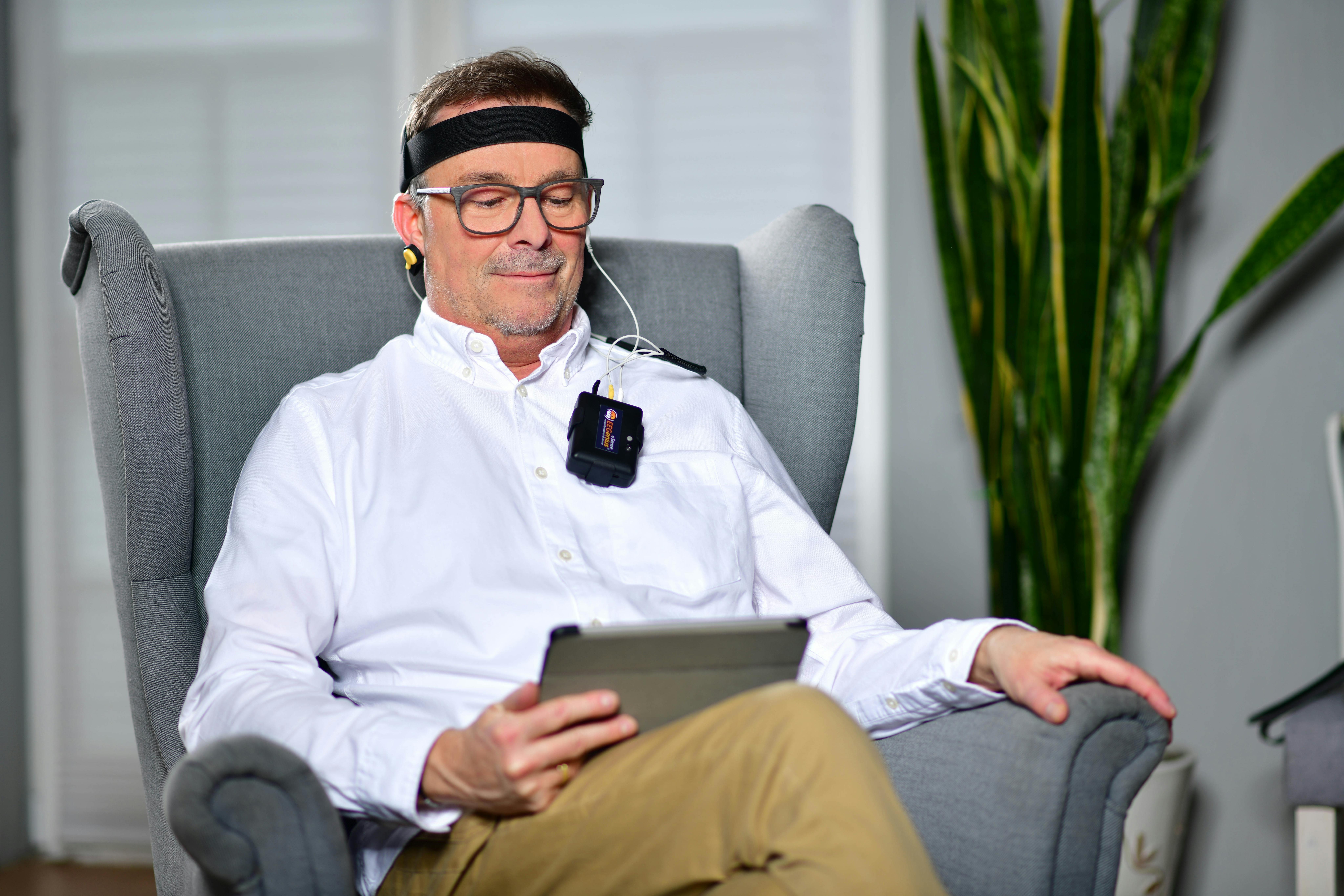
Portable neurofeedback devices are revolutionizing how we train our brains, offering unprecedented access to cognitive enhancement technology that once required clinical settings and expensive equipment.

The human brain is an extraordinary organ capable of remarkable adaptation and growth. For decades, neurofeedback therapy has been used in clinical settings to help individuals improve focus, manage stress, and optimize cognitive performance. Today, technological advances have miniaturized this powerful tool, making it accessible to anyone seeking to unlock their mental potential from the comfort of their home, office, or even while traveling. Portable neurofeedback gear represents a paradigm shift in brain training, democratizing access to techniques that can fundamentally transform how we think, feel, and perform.
Understanding how these devices work, their benefits, and how to integrate them into your daily routine can be the key to achieving peak mental performance. Whether you’re a busy professional seeking better focus, a student preparing for exams, an athlete looking for a competitive edge, or simply someone interested in cognitive wellness, portable neurofeedback technology offers compelling solutions backed by scientific research.
🧠 Understanding Neurofeedback Technology and How It Works
Neurofeedback, also known as EEG biofeedback, is a type of biofeedback that uses real-time displays of brain activity to teach self-regulation of brain function. The process involves measuring electrical activity in the brain through sensors placed on the scalp, analyzing these brainwave patterns, and providing immediate feedback to the user through visual, auditory, or tactile cues.
Your brain operates using different types of electrical patterns called brainwaves, each associated with different mental states. Delta waves occur during deep sleep, theta waves during light sleep and meditation, alpha waves during relaxed wakefulness, beta waves during active thinking and concentration, and gamma waves during high-level cognitive processing. Portable neurofeedback devices monitor these patterns and help you learn to shift your brain into optimal states for whatever activity you’re engaged in.
The beauty of modern portable neurofeedback gear lies in its accessibility and ease of use. Unlike traditional clinical setups that required multiple electrodes, complex software, and trained technicians, today’s devices feature sleek headbands or earpieces with dry sensors that require no gel or preparation. They connect wirelessly to smartphones or tablets, where intuitive apps guide you through training sessions and track your progress over time.
The Science Behind Brain Training and Neuroplasticity 🔬
Neuroplasticity refers to the brain’s ability to reorganize itself by forming new neural connections throughout life. This fundamental property means that your brain can be trained and improved at any age, much like you would train a muscle. Neurofeedback leverages neuroplasticity by reinforcing desired brainwave patterns through operant conditioning.
Research published in peer-reviewed journals has demonstrated that consistent neurofeedback training can lead to measurable changes in brain structure and function. Studies have shown improvements in attention span, working memory, emotional regulation, and stress resilience. The changes aren’t merely temporary effects during training sessions—with regular practice, they become ingrained patterns that persist even when you’re not using the device.
The mechanism works through reward-based learning. When your brain produces the desired pattern—for example, increased alpha waves for relaxation or enhanced beta waves for focus—the device provides positive feedback through the app. This might be a game character moving forward, a musical tone, or visual progress indicators. Your brain naturally seeks this reward and gradually learns to produce the optimal patterns more consistently and efficiently.
Key Benefits: Sharper Focus in a Distracted World 🎯
In our hyper-connected world filled with constant notifications, emails, and digital distractions, maintaining focus has become increasingly challenging. Portable neurofeedback devices specifically target the brainwave patterns associated with sustained attention and concentration. By training your brain to maintain optimal beta wave activity while minimizing mind-wandering theta waves, you can develop laser-sharp focus that persists throughout your workday.
Users commonly report being able to enter “flow states” more easily and frequently after consistent neurofeedback training. Flow, that optimal state where you’re fully immersed and performing at your best, is associated with specific brainwave patterns that neurofeedback can help you access on demand. This translates to increased productivity, higher quality work, and the ability to tackle complex tasks with greater ease.
For students, professionals in demanding fields, and anyone whose work requires sustained mental effort, the focus-enhancing benefits of neurofeedback represent a significant competitive advantage. Rather than relying on stimulants or sheer willpower, you’re training your brain’s natural attention systems to function more efficiently.
Stress Reduction and Emotional Regulation 😌
Chronic stress has reached epidemic proportions in modern society, contributing to numerous health problems from cardiovascular disease to mental health disorders. Portable neurofeedback devices offer a powerful tool for managing stress by training your brain to shift into calmer, more balanced states when needed.
Alpha and theta wave training is particularly effective for stress reduction. These relaxed brainwave patterns are naturally present during meditation and deep relaxation, but most people struggle to access them intentionally. Neurofeedback provides real-time guidance that makes learning these states much more accessible than traditional meditation alone.
Beyond general stress reduction, neurofeedback training enhances emotional regulation—the ability to manage and respond appropriately to emotional experiences. This doesn’t mean suppressing emotions but rather developing greater awareness and control over your emotional responses. Users often report feeling more balanced, less reactive to stressors, and better equipped to handle challenging situations calmly and effectively.
Enhanced Cognitive Performance Across Multiple Domains 💡
The cognitive benefits of neurofeedback extend far beyond focus and stress management. Regular training has been associated with improvements in working memory, processing speed, creativity, and problem-solving abilities. These gains result from optimizing the neural networks responsible for various cognitive functions.
Working memory, the system responsible for temporarily holding and manipulating information, is crucial for reasoning, learning, and comprehension. Neurofeedback protocols targeting specific frequency bands have shown promise in enhancing working memory capacity, which translates to better performance across virtually all cognitive tasks.
Creativity and insight also benefit from neurofeedback training. The relaxed yet alert state associated with alpha wave dominance is ideal for creative thinking and making novel connections between ideas. Many artists, writers, and innovators use neurofeedback to access this state more reliably, enhancing their creative output.
Choosing the Right Portable Neurofeedback Device 🛍️
The market for portable neurofeedback devices has expanded significantly, offering various options at different price points and with different features. When selecting a device, consider several key factors to ensure you get equipment that meets your needs and goals.
Sensor quality and placement are critical. Devices with multiple sensors generally provide more accurate readings and allow for more sophisticated training protocols. Look for devices that monitor frontal lobe activity, as this region is central to executive functions like focus, planning, and self-control. Some advanced models also monitor other regions for comprehensive brain training.
App quality and training programs make a significant difference in your experience and results. The best neurofeedback apps offer guided training sessions, progress tracking, personalized recommendations, and clear explanations of what you’re training and why. Some incorporate gamification to make training more engaging, which can improve consistency and long-term adherence.
Battery life, comfort, and portability vary between devices. If you plan to use your neurofeedback gear while traveling or during work breaks, prioritize compact designs with long battery life and comfortable fits that work well with different head sizes and hair types.
Popular Applications and Effective Training Protocols 📱
Many portable neurofeedback devices connect to specialized training applications that guide your sessions and track progress. These apps typically offer various training modes designed for different goals: focus enhancement, stress reduction, sleep improvement, meditation deepening, or general cognitive optimization.
Focus training protocols usually involve 15-20 minute sessions where you engage with attention-demanding tasks while the device monitors and reinforces optimal brainwave patterns. The app might present challenges that require sustained concentration, providing feedback when your attention wavers and rewarding maintained focus.
Relaxation and stress reduction sessions typically guide you through progressive relaxation while monitoring your brain’s shift toward calmer states. Visual or audio feedback helps you recognize what mental strategies effectively produce relaxation, allowing you to replicate these states independently over time.
Sleep improvement protocols are often used before bedtime, training your brain to transition smoothly into sleep-conducive states. This can be particularly helpful for people who struggle with racing thoughts or difficulty “switching off” at night.
Integrating Neurofeedback Training Into Your Daily Routine ⏰
Consistency is crucial for achieving meaningful results with neurofeedback training. Like physical exercise or learning a musical instrument, brain training requires regular practice to produce lasting changes. Fortunately, portable neurofeedback devices make it easy to incorporate sessions into your existing schedule.
Morning sessions can be excellent for starting your day with enhanced focus and mental clarity. A 15-minute focus training session after your morning coffee can set a productive tone for the entire day. Alternatively, many users prefer training during their natural afternoon energy dip, using neurofeedback to combat post-lunch drowsiness and maintain productivity.
Evening relaxation sessions help transition from work mode to rest mode, particularly valuable if you tend to bring work stress home or struggle with sleep. The portability of modern devices means you can train during commutes, lunch breaks, or even while traveling, ensuring consistency regardless of your schedule.
Start with manageable commitments—three to four sessions per week of 15-20 minutes each—and gradually increase frequency as the practice becomes habitual. Most users begin noticing subjective improvements within two to four weeks, with more substantial gains emerging after eight to twelve weeks of consistent training.
Combining Neurofeedback With Other Wellness Practices 🧘
Portable neurofeedback devices work synergistically with other wellness practices, often enhancing their effectiveness. Meditation practitioners find that neurofeedback provides objective confirmation of meditative states, accelerating their practice and helping them achieve deeper states more reliably.
Physical exercise and neurofeedback complement each other beautifully. Regular aerobic exercise promotes neuroplasticity and overall brain health, creating an optimal foundation for neurofeedback training to build upon. Some athletes use neurofeedback for pre-competition mental preparation, training themselves to achieve ideal arousal levels for peak performance.
Proper sleep, nutrition, and hydration support brain health and optimize your response to neurofeedback training. The brain requires adequate rest and nutrients to form new neural connections and consolidate training gains. Consider neurofeedback as one component of a comprehensive approach to cognitive wellness rather than a standalone solution.
What the Research Says: Evidence-Based Benefits 📊
The scientific literature on neurofeedback has grown substantially over recent decades, with numerous studies examining its effectiveness for various applications. Meta-analyses have found moderate to large effect sizes for neurofeedback in treating ADHD, with benefits comparable to medication for some individuals but without side effects.
Research on neurofeedback for peak performance in healthy individuals shows promising results. Studies with musicians, athletes, and students have demonstrated improvements in performance metrics following neurofeedback training. A study published in the journal Biological Psychology found that alpha-theta neurofeedback enhanced musical performance and reduced performance anxiety in conservatory students.
For stress and anxiety, multiple studies have documented the effectiveness of neurofeedback in reducing symptoms and improving quality of life. The training appears to help normalize hyperarousal patterns often seen in chronic stress and anxiety conditions, teaching the nervous system to maintain calmer baseline states.
While research specifically on portable consumer devices is still emerging, early studies suggest that these affordable, accessible devices can produce similar benefits to clinical systems when used consistently with appropriate protocols. The democratization of this technology means more people can potentially benefit from evidence-based brain training.
Real-World Success Stories and Practical Applications 🌟
Corporate professionals are increasingly turning to portable neurofeedback for managing demanding workloads and high-pressure environments. Investment bankers, surgeons, air traffic controllers, and others in high-stakes professions use neurofeedback to maintain peak cognitive performance and manage occupational stress effectively.
Students preparing for standardized tests, board exams, or other high-stakes assessments use neurofeedback to enhance study efficiency and test-taking performance. The ability to remain calm under pressure while maintaining sharp focus provides a significant advantage in competitive academic environments.
Creative professionals—writers, designers, artists, and musicians—use neurofeedback to access flow states and overcome creative blocks. The technology helps them shift between the focused attention needed for execution and the relaxed awareness conducive to inspiration and creative insight.
Older adults concerned about cognitive aging are exploring neurofeedback as a tool for maintaining mental sharpness. While more research is needed, preliminary studies suggest that regular brain training may support cognitive health and potentially slow age-related cognitive decline.
Overcoming Common Challenges and Misconceptions 🚧
Despite its promise, neurofeedback faces some misconceptions that warrant addressing. Some people expect immediate, dramatic results, but neurofeedback is a training process that requires patience and consistency. Think of it like going to the gym—you wouldn’t expect visible muscle growth after one workout, and similarly, neural changes develop gradually over time.
Individual responses to neurofeedback vary based on factors including baseline brain function, consistency of practice, quality of the device, and appropriateness of the training protocol. Some people respond quickly and dramatically, while others require more sessions to notice significant changes. This variability is normal and doesn’t indicate that the technology isn’t working.
Technical challenges like ensuring good sensor contact or dealing with signal artifacts can frustrate new users. Most quality devices include troubleshooting guides, and many issues resolve as you become familiar with proper setup procedures. Taking time to ensure proper device placement and minimizing movement during sessions improves signal quality and training effectiveness.
The Future of Portable Brain Training Technology 🚀
The field of portable neurofeedback continues evolving rapidly, with exciting developments on the horizon. Advances in sensor technology are producing more accurate, comfortable devices with longer battery life and smaller form factors. Some next-generation devices incorporate additional biometric sensors, measuring heart rate variability, skin conductance, and other physiological markers alongside brain activity for more comprehensive training.
Artificial intelligence and machine learning are being integrated into neurofeedback apps, enabling more personalized training protocols that adapt in real-time to your responses. These smart systems can identify your optimal training parameters and adjust sessions automatically for maximum effectiveness.
Integration with virtual and augmented reality represents another frontier, creating immersive training environments that could enhance engagement and accelerate learning. Imagine training focus while immersed in a virtual workspace or practicing stress management in simulated high-pressure scenarios.
As research continues validating the benefits of neurofeedback and technology makes devices increasingly accessible, we’re likely approaching a future where brain training becomes as commonplace as physical fitness. The potential to optimize our most important organ—the brain—is becoming a reality available to everyone.

Taking the First Step Toward Cognitive Enhancement 🎯
Embarking on your neurofeedback journey begins with clear intentions about what you want to achieve. Whether your primary goal is better focus, stress reduction, improved sleep, or general cognitive enhancement, defining your objectives helps you select the right device and training protocols. Research available devices, read reviews from actual users, and consider starting with a mid-range option that balances features with affordability.
Commit to consistency from the outset. Schedule training sessions like any other important appointment, and track your subjective experiences in a journal. Note changes in focus, stress levels, sleep quality, and overall well-being. This record helps you recognize progress that might otherwise go unnoticed and keeps you motivated during the initial weeks when changes are subtle.
Connect with communities of other neurofeedback users online. Forums, social media groups, and app-based communities provide valuable tips, troubleshooting advice, and encouragement. Learning from others’ experiences can accelerate your progress and help you avoid common pitfalls.
Remember that portable neurofeedback gear is a tool for unlocking potential that already exists within you. Your brain possesses remarkable capabilities, and these devices simply provide a mirror and guide for accessing states of optimal functioning. With patience, consistency, and the right approach, you can harness this technology to enhance focus, reduce stress, and achieve new levels of cognitive performance—anywhere your life takes you.
The future of human cognitive enhancement is no longer confined to science fiction or expensive clinical settings. It’s portable, accessible, and ready to help you unlock your mind’s full potential wherever you are. The question isn’t whether brain training technology works—the evidence increasingly supports its effectiveness—but rather whether you’re ready to invest in optimizing your most valuable asset: your mind.