Your brain operates on rhythmic electrical patterns that can either limit your potential or unlock extraordinary levels of performance, focus, and creativity. 🧠

Every moment of your day, billions of neurons in your brain communicate through electrical impulses, creating measurable patterns known as brainwaves. These invisible signals determine whether you’re alert and focused, relaxed and creative, or somewhere in between. Understanding and optimizing these brainwave states represents one of the most powerful yet underutilized strategies for enhancing mental performance in our modern world.
The concept of performance-optimized brainwaves isn’t science fiction or pseudoscience—it’s backed by decades of neuroscientific research demonstrating that specific brainwave frequencies correlate with distinct mental states. From high-performing athletes to creative geniuses and meditation masters, those who achieve peak performance often exhibit remarkably similar brainwave patterns during their moments of excellence.
Understanding the Symphony of Your Brain 🎵
Your brain doesn’t operate on a single frequency but rather orchestrates multiple brainwave patterns simultaneously, with different frequencies dominating depending on your current mental state and activity. Think of your brain as a sophisticated radio receiver that can tune into different stations, each offering unique benefits for specific tasks and challenges.
Brainwaves are measured in Hertz (Hz), representing the number of cycles per second, and are traditionally categorized into five primary types. Each category serves distinct functions and produces different subjective experiences, from deep sleep to heightened alertness.
The Five Primary Brainwave States
Delta waves (0.5-4 Hz) represent the slowest brainwave frequency and dominate during deep, dreamless sleep. These waves are essential for physical healing, immune system function, and the consolidation of procedural memory. While you’re typically unconscious during delta-dominant states, these frequencies play a critical role in recovery and restoration.
Theta waves (4-8 Hz) emerge during light sleep, deep meditation, and the twilight state between wakefulness and sleep. This frequency range is associated with enhanced creativity, emotional processing, memory consolidation, and access to subconscious material. Many breakthrough insights occur when theta waves are prominent.
Alpha waves (8-13 Hz) characterize relaxed yet alert awareness. When you close your eyes and breathe deeply, alpha waves typically increase. This state bridges conscious and subconscious processing, making it ideal for learning, stress reduction, and entering flow states. Alpha represents the gateway to deeper meditation and enhanced mental coordination.
Beta waves (13-30 Hz) dominate during normal waking consciousness, active thinking, problem-solving, and focused attention directed toward external tasks. While necessary for daily functioning, excessive beta activity—especially in higher ranges—correlates with anxiety, stress, and mental restlessness.
Gamma waves (30-100+ Hz) represent the fastest brainwave frequencies and are associated with peak cognitive functioning, heightened perception, and states of universal love or altruism. Gamma activity increases during moments of insight, learning, and when the brain integrates information across different regions.
The Performance-Optimization Connection ⚡
Peak mental performance doesn’t occur when your brain operates exclusively in one frequency band but rather when it achieves optimal synchronization and flexibility across multiple frequencies. Elite performers—whether athletes, musicians, or knowledge workers—demonstrate an enhanced ability to shift between brainwave states as tasks demand.
Research conducted at institutions worldwide has revealed that high performers share common brainwave characteristics. They exhibit greater alpha-theta coherence during creative tasks, enhanced gamma synchronization during complex problem-solving, and superior ability to downregulate excessive beta activity during high-pressure situations.
The Flow State Signature
Flow—that coveted state where performance becomes effortless and time seems to disappear—has a distinctive neurological signature. During flow experiences, the brain typically shows decreased activity in the prefrontal cortex (a phenomenon called transient hypofrontality), increased alpha-theta waves, and enhanced communication between brain regions.
This state represents optimal brain efficiency, where the right networks activate for the task at hand while unnecessary mental chatter quiets. Athletes call it “the zone,” artists call it “inspiration,” and programmers call it “deep work”—but neuroscience reveals they’re describing the same optimized brainwave configuration.
Practical Strategies to Optimize Your Brainwaves 🎯
Understanding brainwave theory offers little benefit without practical application. Fortunately, numerous evidence-based techniques can help you consciously influence your brainwave patterns to match your performance goals. These methods range from ancient practices validated by modern neuroscience to cutting-edge technological interventions.
Neurofeedback Training
Neurofeedback, also called EEG biofeedback, represents one of the most direct approaches to brainwave optimization. This technique uses real-time monitoring of your brain’s electrical activity to provide immediate feedback, allowing you to learn conscious control over previously unconscious processes.

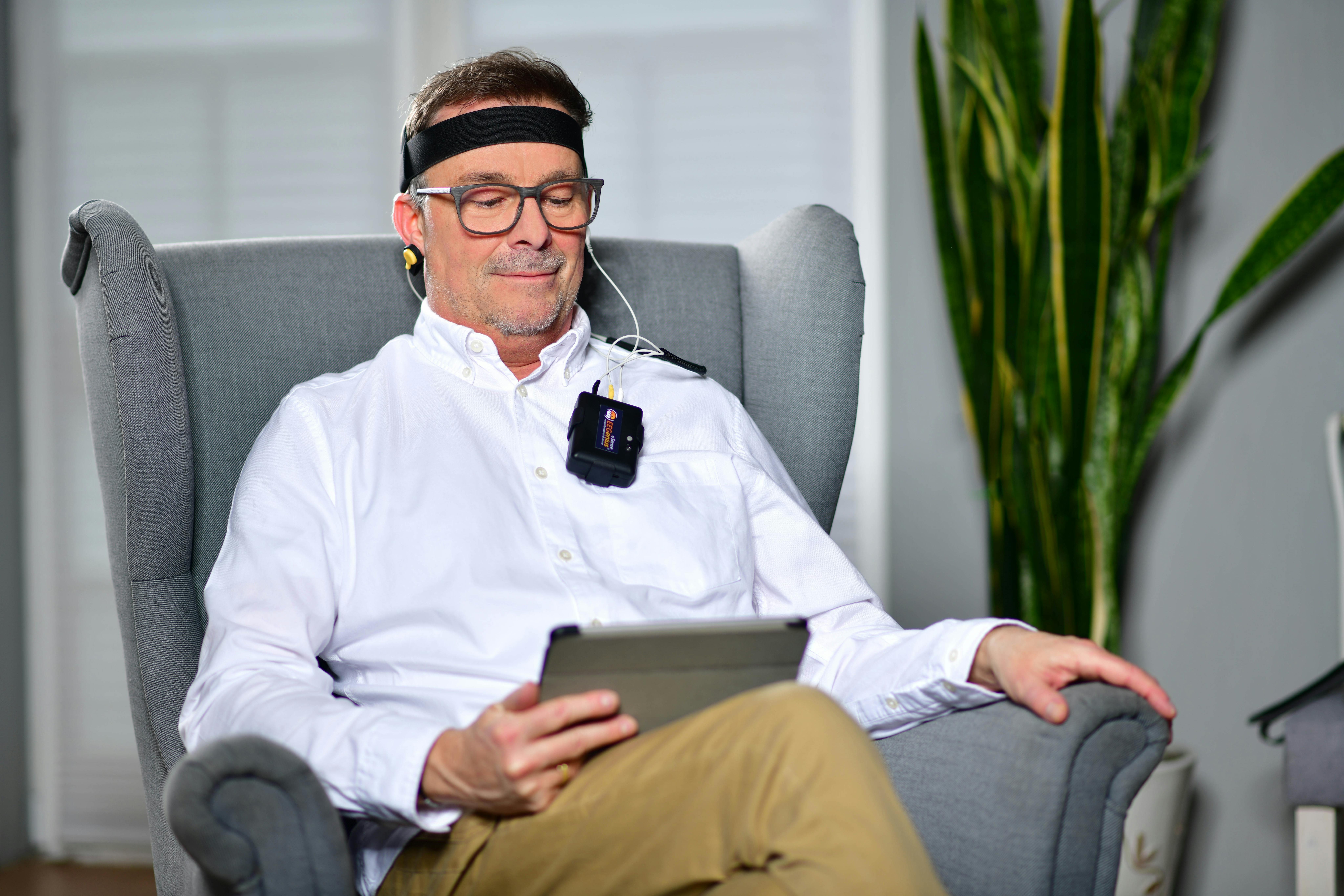
During neurofeedback sessions, sensors placed on your scalp measure brainwave activity while you receive visual or auditory feedback. When your brain produces desired patterns—such as increased alpha coherence or reduced excessive beta—you receive positive reinforcement through changes in music, video, or games.
Professional athletes, Fortune 500 executives, and even military special forces have embraced neurofeedback training to enhance performance. Studies demonstrate improvements in attention, emotional regulation, cognitive flexibility, and stress resilience after consistent training protocols.
Meditation and Mindfulness Practices
Perhaps the most accessible and time-tested method for brainwave optimization, meditation produces measurable changes in brain activity patterns. Regular meditation practice increases alpha and theta wave production, enhances gamma synchronization, and improves overall brain coherence.
Different meditation styles produce distinct brainwave patterns. Focused attention meditation tends to increase beta and gamma in specific regions, while open monitoring meditation enhances theta and alpha. Transcendental meditation practitioners often show increased alpha coherence across the brain.
The beauty of meditation lies in its cumulative effects. While a single session provides immediate benefits, consistent practice literally rewires your brain, making optimal states more accessible during daily activities beyond formal meditation periods.
Brainwave Entrainment Technologies
Brainwave entrainment leverages the brain’s tendency to synchronize its electrical activity with external rhythmic stimuli—a phenomenon called the frequency following response. Technologies utilizing binaural beats, isochronic tones, or audiovisual stimulation can guide your brain toward specific frequencies.
Binaural beats work by presenting slightly different frequencies to each ear through headphones. Your brain perceives the mathematical difference as a rhythmic beat, which can encourage corresponding brainwave frequencies. For example, playing 200 Hz in one ear and 210 Hz in the other creates a perceived 10 Hz beat, potentially enhancing alpha wave activity.
Isochronic tones use evenly spaced pulses of sound to create entrainment effects without requiring headphones. Many users find these more comfortable for extended listening sessions.
Several mobile applications offer scientifically-designed brainwave entrainment programs for various goals, from focus enhancement to relaxation and sleep optimization.
Strategic Cognitive Training
Specific mental exercises can promote beneficial brainwave patterns. Working memory training, complex problem-solving, and learning new skills all increase gamma wave activity and strengthen neural networks. The key is engaging in cognitively demanding tasks that push your current capacity without overwhelming it.
Cross-training your brain with diverse activities—learning languages, musical instruments, or complex physical skills—creates more flexible brainwave patterns and enhances your ability to shift states as needed.
Lifestyle Factors That Influence Brainwave Patterns 🌟
Beyond specific training techniques, your daily lifestyle choices profoundly impact your baseline brainwave patterns and your ability to access optimal states when needed.
Sleep Architecture and Recovery
Quality sleep allows your brain to cycle through all essential brainwave frequencies, with each stage serving critical functions. Deep sleep’s delta waves facilitate physical recovery and memory consolidation, while REM sleep’s theta waves support emotional processing and creative problem-solving.
Chronic sleep deprivation disrupts normal brainwave patterns, increasing excessive beta activity (anxiety, rumination) while decreasing access to alpha (relaxation) and gamma (peak performance). Prioritizing 7-9 hours of quality sleep isn’t optional for brainwave optimization—it’s foundational.
Nutrition for Neural Optimization
Your brain’s electrical activity depends on proper neurotransmitter function, which requires specific nutritional building blocks. Omega-3 fatty acids support cell membrane fluidity crucial for efficient neural communication. B vitamins serve as cofactors for neurotransmitter synthesis. Magnesium regulates neural excitability.
Stable blood glucose levels also matter significantly. Blood sugar spikes and crashes alter brainwave patterns, typically increasing beta activity (stress response) while decreasing alpha coherence (calm focus). Balanced meals with adequate protein, healthy fats, and complex carbohydrates support stable, optimal brain function.
Physical Exercise and Brain Rhythms
Regular physical activity powerfully influences brainwave patterns both acutely and chronically. Aerobic exercise increases alpha and theta waves during the workout itself, creating a meditative quality that many runners describe as a “runner’s high.” Post-exercise, the brain shows enhanced alpha activity and improved ability to enter flow states.
Long-term exercise participation increases baseline gamma activity, enhances brain coherence, and improves cognitive flexibility—the ability to shift between mental states as tasks demand.
Integrating Brainwave Optimization Into Your Daily Routine 📅
Knowledge without implementation provides no benefit. The following practical framework helps you systematically integrate brainwave optimization into your lifestyle for measurable performance improvements.
Morning Optimization Protocol
Begin your day by intentionally shifting from sleep’s delta-theta dominance toward alert, focused beta-gamma states. Upon waking, expose yourself to bright light (ideally natural sunlight) to accelerate this transition. Engage in light physical movement—stretching, yoga, or a brief walk—to increase circulation and alpha-theta coherence.
Consider a morning meditation practice of 10-20 minutes to establish baseline alpha coherence before the day’s demands increase beta activity. This creates a calm-yet-alert foundation that makes optimal states more accessible throughout the day.
Task-Specific State Management
Different tasks benefit from different brainwave patterns. For deep analytical work requiring sustained focus, cultivate low-beta and gamma through environmental optimization—eliminating distractions, using focus music, and working in timed intervals with brief breaks.
For creative brainstorming or problem-solving, encourage alpha-theta states through relaxation techniques, closed-eye visualization, or walking in nature. Many breakthrough insights occur when you stop forcing solutions and allow your brain to shift into these more diffuse, associative states.
Evening Recovery Routines
As day transitions to evening, consciously downregulate arousing beta activity to allow natural alpha-theta-delta progression toward sleep. Dimming lights signals this transition to your brain. Avoiding screens 1-2 hours before bed prevents blue light from disrupting natural rhythmic slowing.
Evening practices like gentle stretching, reading fiction, or guided relaxation exercises facilitate the shift from beta dominance toward alpha-theta states conducive to quality sleep.
Measuring Your Progress and Fine-Tuning Your Approach 📊
Optimizing brainwave patterns works best as an iterative process where you implement strategies, measure results, and refine your approach based on feedback. While professional EEG equipment provides the most detailed brainwave data, consumer-grade devices now offer surprising capability at accessible prices.
Wearable EEG headbands like Muse, Neurosity Crown, or similar devices provide real-time brainwave monitoring and can track your patterns during meditation, work, or sleep. These tools transform brainwave optimization from abstract theory into concrete, measurable practice.
Beyond direct brainwave measurement, track subjective and objective performance markers: focus duration, creative output quality, stress levels, sleep quality, and task completion rates. These indirect measures often reveal brainwave optimization’s real-world impact more clearly than raw EEG data.

Unlocking Your Neural Potential: The Path Forward 🚀
The science of brainwave optimization represents a democratization of peak performance. What elite performers once accessed through years of trial-and-error or genetic advantage, you can now systematically develop through evidence-based practices and accessible technologies.
Your brain’s electrical symphony plays constantly, but most people remain passive listeners to patterns shaped by habit, environment, and chance. By understanding how different frequencies correspond to mental states and learning to consciously influence these patterns, you gain unprecedented control over your cognitive performance, emotional regulation, and creative capacity.
The strategies outlined here—from neurofeedback and meditation to lifestyle optimization and brainwave entrainment—provide multiple entry points regardless of your current situation or resources. Start with practices that resonate most strongly, implement them consistently, and allow cumulative effects to compound over weeks and months.
Remember that brainwave optimization isn’t about maintaining one “perfect” state continuously. True neural flexibility means accessing the right state for each moment—focused beta-gamma for demanding cognitive work, relaxed alpha for learning and coordination, creative theta for insight, and restorative delta for recovery.
Your brain possesses extraordinary untapped potential. The electrical patterns flowing through your neural networks right now could be operating at baseline levels shaped by modern life’s demands and distractions, or they could be optimized configurations that unlock focus, creativity, and performance you’ve never experienced before. The difference lies not in your genetics or circumstances but in your understanding and intentional cultivation of performance-optimized brainwaves.
The journey from where you are to where your potential leads requires no special equipment or extraordinary time investment—just knowledge, consistency, and willingness to engage consciously with your brain’s remarkable adaptive capabilities. Every meditation session, every period of focused work, every quality night’s sleep strengthens neural pathways that make optimal states more accessible and sustainable.
Begin today. Choose one strategy from this article and implement it for thirty days. Monitor your experience, measure what changes, and trust the process. Your brain has been waiting for this intentional optimization, ready to reward your efforts with performance levels that currently seem reserved for others but are actually your birthright—you simply need to unlock them. 🧠✨