
Your brain holds untapped potential waiting to be unlocked through advanced neurofeedback techniques that can fundamentally transform how you think, feel, and perform daily.

In an era where mental performance and cognitive optimization have become crucial for success, theta-alpha neurofeedback emerges as a groundbreaking approach to brain training. This sophisticated technique harnesses the power of specific brainwave frequencies to help you access deeper states of consciousness, enhance creativity, and dramatically improve overall mental functioning. Whether you’re an athlete seeking peak performance, a professional aiming for sharper focus, or simply someone wanting to reduce stress and anxiety, understanding how theta-alpha neurofeedback works can open doors to unprecedented personal growth.
🧠 Understanding the Science Behind Brainwave Frequencies
Before diving into the transformative potential of theta-alpha neurofeedback, it’s essential to understand what these brainwaves represent. Your brain constantly produces electrical impulses that can be measured and categorized into different frequency ranges, each associated with specific mental states and functions.
Alpha waves, oscillating between 8-12 Hz, represent a state of relaxed alertness. When you close your eyes and feel calm yet conscious, you’re likely generating alpha waves. This frequency range serves as a bridge between conscious and subconscious mental processing, making it ideal for learning, meditation, and creative thinking.
Theta waves, ranging from 4-8 Hz, occur during deep relaxation, meditation, and the lighter stages of sleep. This frequency band is associated with enhanced intuition, emotional processing, memory consolidation, and access to the subconscious mind. Many breakthrough insights and creative solutions emerge when the brain operates predominantly in theta.
The intersection of these two frequency bands creates what neuroscientists call the “theta-alpha crossover frequency” – a particularly powerful state where the brain can access both relaxation and focused awareness simultaneously. This sweet spot represents optimal conditions for neuroplasticity, learning, and psychological transformation.
How Theta-Alpha Neurofeedback Actually Works ⚡
Neurofeedback is essentially a form of biofeedback that focuses specifically on brain activity. During a typical theta-alpha neurofeedback session, sensors are placed on your scalp to measure electrical activity from different brain regions. This data is then processed in real-time by specialized software that provides immediate feedback about your brainwave patterns.
The feedback typically comes through visual or auditory cues. For example, you might watch a movie that only plays smoothly when your brain produces the desired theta-alpha ratio, or listen to music that becomes clearer as you achieve target brainwave states. Your brain naturally seeks the reward of pleasant feedback, gradually learning to produce more optimal brainwave patterns.
What makes this training so powerful is its ability to create lasting changes. Through repeated sessions, your brain develops new neural pathways and strengthens beneficial patterns. This neuroplastic adaptation means the improvements you experience aren’t just temporary – they become integrated into your baseline brain functioning.
The Training Protocol: What to Expect
A comprehensive theta-alpha neurofeedback program typically involves multiple sessions spread over weeks or months. Initial sessions focus on establishing baseline measurements and identifying your unique brainwave patterns. A qualified practitioner will design a customized protocol based on your specific goals and neurological profile.
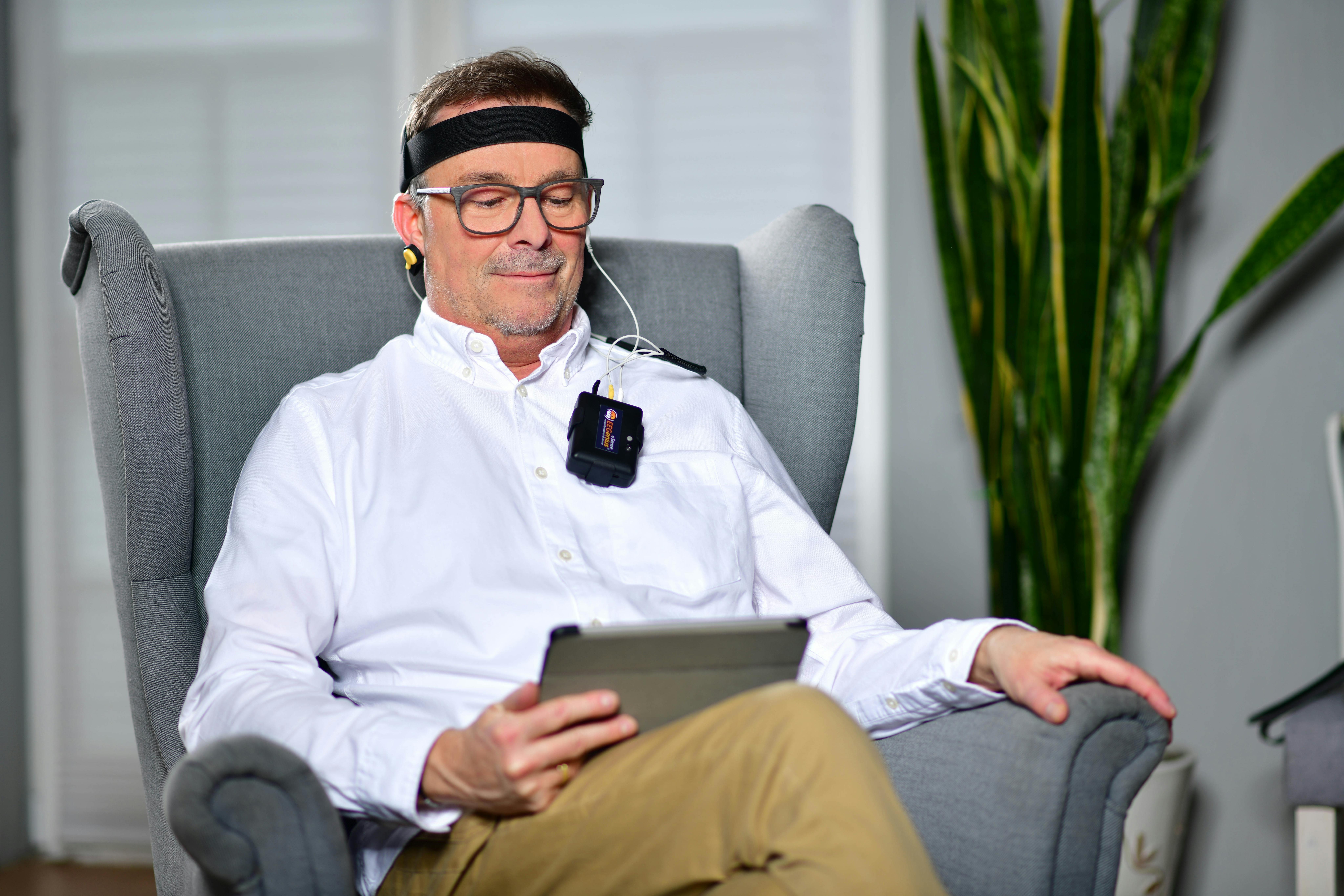
Each training session usually lasts between 30 to 60 minutes. You’ll sit comfortably while sensors monitor your brainwave activity. The key is staying relaxed yet attentive as you receive real-time feedback. Many people describe the experience as meditative, though more engaging than traditional meditation practices.
🎯 Remarkable Benefits That Transform Lives
The applications of theta-alpha neurofeedback extend far beyond simple relaxation. Research and clinical practice have demonstrated profound benefits across multiple domains of human functioning.
Enhanced Cognitive Performance and Focus
One of the most sought-after benefits is improved concentration and mental clarity. By training your brain to maintain optimal theta-alpha ratios, you develop greater control over attention and can sustain focus for extended periods. Students report better academic performance, while professionals experience increased productivity and sharper decision-making abilities.
Memory function also shows significant improvement with theta-alpha training. The theta frequency is intimately involved in memory consolidation – the process by which short-term memories become long-term ones. By optimizing this brainwave state, many users experience enhanced recall and faster learning capabilities.
Stress Reduction and Emotional Regulation 😌
Perhaps the most immediately noticeable benefit is dramatic stress reduction. Excessive beta wave activity (associated with anxiety and overthinking) often dominates modern brain patterns due to constant stimulation and pressure. Theta-alpha neurofeedback helps rebalance this, promoting states of calm alertness rather than frantic mental activity.
Users frequently report decreased anxiety, better emotional stability, and improved mood. This isn’t just subjective experience – measurements of stress hormones like cortisol often show significant reductions after consistent neurofeedback training. The ability to self-regulate emotional states becomes more natural and accessible.
Unlocking Creative Potential and Problem-Solving
The theta-alpha state is where creativity flourishes. Artists, writers, musicians, and innovators across fields report breakthrough insights and enhanced creative flow after neurofeedback training. This occurs because these brainwave frequencies allow different brain regions to communicate more effectively, connecting conscious analytical thinking with subconscious intuitive processes.
Complex problem-solving also benefits tremendously. When faced with challenging situations, the ability to access theta-alpha states allows you to approach problems from multiple angles simultaneously, integrating logical analysis with intuitive understanding.
Scientific Evidence Supporting Theta-Alpha Training 📊
The effectiveness of neurofeedback isn’t merely anecdotal – substantial research supports its applications. Studies published in peer-reviewed journals have demonstrated measurable improvements in various conditions and performance metrics.
Research on ADHD treatment has shown that neurofeedback can produce results comparable to medication without side effects. A meta-analysis examining multiple studies found significant improvements in attention, impulsivity, and hyperactivity following neurofeedback protocols that included theta-alpha training components.
In the realm of peak performance, studies with athletes have documented enhanced reaction times, improved focus during competition, and better recovery from performance pressure. Military applications have explored neurofeedback for combat stress recovery and operational performance enhancement.
Neuroimaging studies reveal that consistent neurofeedback training creates observable changes in brain structure and connectivity. Increased gray matter density in regions associated with attention and emotional regulation has been documented, along with improved functional connectivity between brain networks.
Who Can Benefit from This Revolutionary Approach? 🌟
The versatility of theta-alpha neurofeedback means it offers value to remarkably diverse populations. While originally developed for clinical applications, its benefits extend to anyone seeking cognitive enhancement or improved well-being.
Students and Academic Performers
From high school students to graduate researchers, those engaged in learning benefit enormously. Improved focus during study sessions, enhanced memory retention, and reduced test anxiety create ideal conditions for academic success. Many learning disabilities and attention challenges respond positively to properly designed neurofeedback protocols.
Business Professionals and Executives
The demands of modern business require sustained high-level cognitive performance. Executives using neurofeedback report clearer strategic thinking, improved decision-making under pressure, and better work-life balance through enhanced stress management. The ability to enter flow states more readily translates directly to increased productivity.
Athletes and Performance Specialists
Athletic performance depends heavily on mental state. Theta-alpha training helps athletes achieve the optimal arousal level – neither too anxious nor too relaxed. Improved visualization abilities, faster recovery from mistakes, and enhanced muscle memory consolidation give trained athletes measurable competitive advantages.
Individuals Managing Mental Health Challenges
Those dealing with anxiety, depression, PTSD, or other mental health conditions often find neurofeedback a valuable complement to traditional treatments. The non-pharmaceutical nature of the intervention appeals to many seeking alternatives or adjuncts to medication. Clinical outcomes show promising results for various psychological conditions.
💡 Practical Steps to Begin Your Neurofeedback Journey
Starting with theta-alpha neurofeedback requires some research and preparation, but the process is increasingly accessible as the field grows.
Finding Qualified Practitioners
The most important step is locating a properly trained neurofeedback provider. Look for practitioners certified by organizations like the Biofeedback Certification International Alliance (BCIA). These professionals have completed rigorous training and adhere to established protocols and ethical standards.
During initial consultations, qualified practitioners will conduct thorough assessments, possibly including quantitative EEG (qEEG) brain mapping. This detailed analysis identifies specific patterns needing attention and allows for highly personalized training protocols.
Home Neurofeedback Options
Advances in technology have made certain forms of neurofeedback available for home use. While these systems don’t replace professional guidance for complex conditions, they offer accessible options for general wellness and performance enhancement. Various devices now provide quality EEG monitoring and training protocols at consumer-friendly price points.
When exploring home options, prioritize devices with proven track records and scientific backing. Read reviews from multiple sources, and ideally consult with a neurofeedback professional about which systems might suit your specific needs.
Complementary Practices That Enhance Results
Neurofeedback works synergistically with other brain-healthy practices. Regular meditation deepens your ability to recognize and control mental states, making neurofeedback training more effective. Quality sleep is essential, as many of the neuroplastic changes occur during rest periods between sessions.
Nutrition also plays a crucial role. Omega-3 fatty acids, adequate hydration, and proper micronutrient intake support optimal brain function and neuroplasticity. Physical exercise, particularly aerobic activity, enhances neurogenesis and creates ideal conditions for neurofeedback-induced changes to take hold.
🚀 Maximizing Your Neurofeedback Results
While neurofeedback is powerful, certain approaches optimize outcomes and accelerate progress toward your goals.
Consistency matters tremendously. Regular sessions produce better results than sporadic training. Most protocols recommend two to three sessions weekly initially, though specific frequency depends on individual circumstances and goals. Think of neurofeedback like physical exercise – regular practice creates lasting change.
Maintaining realistic expectations helps sustain motivation. Some people experience noticeable improvements within a few sessions, while others require longer to perceive benefits. Subtle changes often precede dramatic shifts, so paying attention to small improvements keeps you engaged with the process.
Tracking progress systematically provides valuable feedback. Keep a journal noting changes in mood, focus, sleep quality, and any other relevant metrics. Many practitioners use standardized assessments periodically to document objective improvements. This data helps refine protocols and demonstrates progress that might otherwise go unnoticed.
The Future of Brain Training and Mental Enhancement 🔮
As neuroscience advances, theta-alpha neurofeedback continues evolving. Emerging technologies promise even more accessible, effective, and personalized approaches to brain training.
Artificial intelligence integration is revolutionizing protocol development. Machine learning algorithms can analyze complex brainwave patterns and automatically adjust training parameters in real-time, creating highly optimized and individualized sessions. This technology makes advanced neurofeedback more accessible to practitioners and potentially enables more sophisticated home systems.
Virtual reality integration represents another frontier. Immersive VR environments combined with real-time neurofeedback create engaging training experiences that may accelerate learning and enhance motivation. Imagine navigating beautiful virtual landscapes that respond directly to your brainwave patterns, making the training process both effective and enjoyable.
Research continues expanding our understanding of optimal training protocols. Scientists are identifying increasingly specific applications – from enhancing particular types of creativity to accelerating recovery from specific brain injuries. This growing knowledge base means more targeted, efficient interventions for diverse goals.
🌈 Transforming Your Mental Landscape Through Conscious Brain Training
The promise of theta-alpha neurofeedback extends beyond mere symptom reduction or performance enhancement. At its core, this technology offers something more profound – the ability to consciously participate in your own neurological evolution.
Traditional approaches to mental improvement rely heavily on willpower, discipline, and conscious effort. While valuable, these methods can feel like swimming against the current. Neurofeedback works differently – it helps rewire the underlying patterns that generate thoughts, emotions, and behaviors. Instead of constantly overriding problematic patterns through effort, you gradually transform the patterns themselves.
This shift from managing symptoms to transforming root causes represents a paradigm change in how we approach mental health and cognitive enhancement. You’re not just learning coping strategies; you’re fundamentally changing how your brain operates at its most basic level.
The accessibility of this technology continues improving, bringing these benefits to broader populations. What was once available only in specialized clinics or research settings increasingly reaches individuals seeking to optimize their mental functioning and overall quality of life.
As you consider whether theta-alpha neurofeedback might benefit you, reflect on your current mental state and aspirations. Do you struggle with focus, stress, or emotional regulation? Are you seeking enhanced creativity or peak performance? Do you want to unlock capabilities you sense exist but remain just beyond reach? If any of these resonate, exploring neurofeedback could mark the beginning of a transformative journey.
Your brain possesses remarkable plasticity – the ability to reorganize, adapt, and grow throughout your lifetime. Theta-alpha neurofeedback provides tools to harness this potential intentionally, guiding your brain toward patterns that serve your highest goals and deepest aspirations. The technology merely facilitates what your brain naturally wants to do: optimize itself for better functioning and greater well-being.
Taking that first step toward neurofeedback training might feel daunting, but countless individuals have discovered that this investment in their neurological health yields returns far exceeding initial expectations. Enhanced focus, reduced stress, improved creativity, better emotional balance, and increased overall life satisfaction represent just some of the benefits waiting to be unlocked within your own brain.
The future of mental enhancement isn’t about external pills or passive interventions – it’s about empowering individuals to actively participate in optimizing their own brain function. Theta-alpha neurofeedback stands at the forefront of this revolution, offering a scientifically validated, non-invasive path to unleashing your brain’s full potential and transforming how you experience every aspect of life.