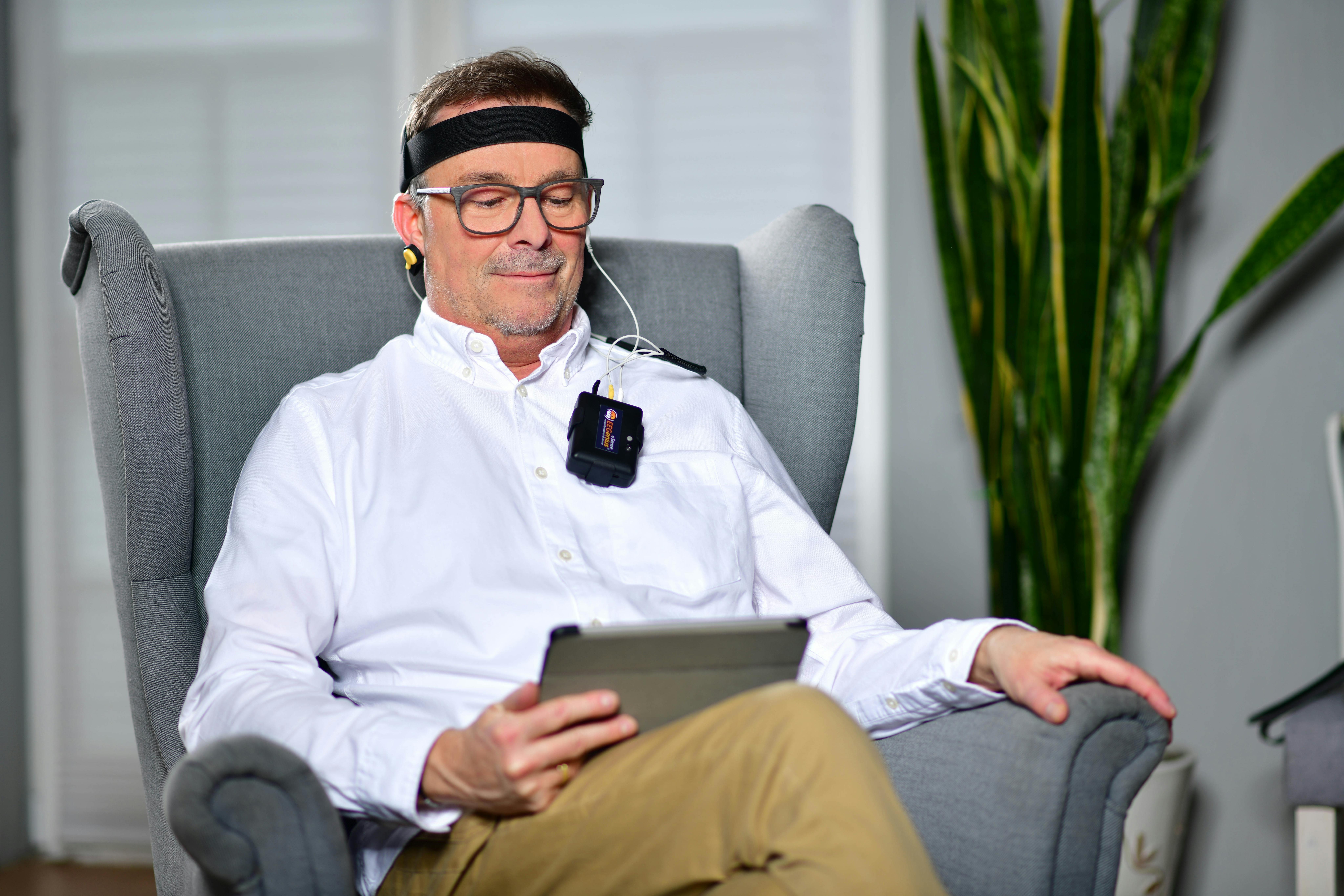
In today’s fast-paced world, stress has become an unwelcome companion for millions. Breath-based biofeedback tools offer a scientifically-backed pathway to reclaim mental peace and clarity.

🌬️ The Ancient Wisdom Meets Modern Technology
Breathing is the one physiological function that operates both consciously and unconsciously, making it the perfect bridge between our mind and body. For thousands of years, meditation practitioners and yogis understood this connection intuitively. Today, cutting-edge biofeedback technology validates what ancient wisdom has always known: controlling your breath can transform your mental state.
Breath-based biofeedback represents a revolutionary approach to stress management, combining real-time physiological monitoring with breathing exercises. These tools measure variables like heart rate variability, respiratory patterns, and even brainwave activity, then provide immediate feedback to help you optimize your breathing for maximum mental and physical benefits.
The beauty of this approach lies in its accessibility. Unlike traditional biofeedback sessions that required expensive clinical equipment and professional supervision, modern breath-based tools can fit in your pocket. Smartphone apps, wearable devices, and portable sensors now bring laboratory-grade biofeedback into your daily life.
Understanding the Science Behind Breath and Brain Connection
When we discuss breath-based biofeedback, we’re really talking about influencing your autonomic nervous system—the automatic control system governing heart rate, digestion, respiratory rate, and stress responses. This system has two primary branches: the sympathetic nervous system (your “fight or flight” response) and the parasympathetic nervous system (your “rest and digest” mode).
Chronic stress keeps most people locked in sympathetic dominance, flooding their bodies with cortisol and adrenaline. This constant state of alertness exhausts mental resources, clouds thinking, and damages long-term health. Breath-based biofeedback provides a direct line to activating your parasympathetic system, essentially giving you a remote control for your stress response.
Heart Rate Variability: The Key Metric
Heart rate variability (HRV) has emerged as the gold standard biomarker in breath-based biofeedback. Contrary to what you might think, a healthy heart doesn’t beat like a metronome. Instead, the time between heartbeats varies subtly—and this variation indicates how well your nervous system adapts to stress.
Higher HRV generally correlates with better stress resilience, improved emotional regulation, and enhanced cognitive function. Lower HRV often accompanies chronic stress, anxiety, and mental fatigue. Breath-based biofeedback tools that track HRV give you real-time insight into your stress levels and show precisely how different breathing patterns affect your physiological state.
🧠 How Breath-Based Biofeedback Enhances Mental Clarity
Mental clarity isn’t just about thinking faster—it’s about thinking better. It involves sustained attention, flexible thinking, emotional balance, and the ability to filter distractions. Breath-based biofeedback cultivates all these capacities simultaneously through several mechanisms.
First, controlled breathing directly influences cerebral blood flow. Slow, diaphragmatic breathing increases oxygen saturation and improves circulation to the prefrontal cortex—the brain region responsible for executive functions, decision-making, and emotional regulation. Enhanced blood flow means enhanced cognitive performance.
Second, rhythmic breathing exercises create coherence between different physiological systems. When your breathing, heart rate, and blood pressure oscillate in harmony, your brain operates more efficiently. This state of physiological coherence reduces internal “noise,” allowing clearer signal processing and improved mental performance.
The Neurochemical Advantage
Breath-based practices trigger beneficial neurochemical changes. Controlled breathing stimulates the vagus nerve, which releases acetylcholine—a neurotransmitter that calms inflammation and promotes relaxation. It also modulates GABA production, your brain’s primary inhibitory neurotransmitter, which reduces anxiety and mental chatter.
Furthermore, specific breathing patterns can influence brainwave states. Slow breathing (around 5-6 breaths per minute) promotes alpha brainwave activity associated with relaxed alertness—the ideal state for both stress relief and mental clarity. Some advanced biofeedback tools actually measure EEG activity, allowing you to see in real-time how your breathing shifts your brainwave patterns.
Choosing the Right Breath-Based Biofeedback Tools
The market offers an overwhelming array of breath-based biofeedback options. Understanding the landscape helps you select tools aligned with your specific needs and preferences.
Smartphone Applications with Guided Breathing
The most accessible entry point into breath-based biofeedback involves smartphone apps. These applications typically use your phone’s camera to detect subtle color changes in your fingertip caused by blood flow, calculating heart rate and HRV. Apps like these guide you through breathing exercises while displaying real-time feedback on your physiological response.
Quality apps offer various breathing protocols—box breathing, resonant frequency breathing, alternate nostril breathing techniques—each targeting different aspects of stress relief and mental performance. The best applications adapt to your baseline physiology, personalizing exercise recommendations based on your measured responses.
Wearable Biofeedback Devices
For more accurate and convenient monitoring, wearable devices take biofeedback to the next level. Chest straps, finger sensors, and wrist-worn monitors provide clinical-grade data while you go about your day. These devices continuously track HRV, providing insights into your stress patterns and recovery.
Some advanced wearables incorporate haptic feedback—gentle vibrations that guide your breathing rhythm without requiring you to watch a screen. This feature proves especially valuable for meditation practice or stress management in situations where looking at a device isn’t practical.
Dedicated Biofeedback Systems
At the premium end, dedicated biofeedback systems combine multiple sensors with sophisticated software. These systems might measure heart rate, breathing patterns, skin conductance, muscle tension, and even EEG simultaneously, providing a comprehensive physiological profile.
While more expensive, these comprehensive systems offer unparalleled insight for serious practitioners, athletes, or individuals managing significant stress-related health concerns. Many come with professional training programs that teach advanced breath-based techniques tailored to your unique physiological signature.
⚡ Practical Techniques for Maximum Results
Having the right tools means little without proper technique. These evidence-based breathing protocols, when combined with biofeedback monitoring, deliver powerful stress relief and mental clarity enhancement.
Resonant Frequency Breathing
This technique involves breathing at your personal resonant frequency—typically around 5 to 6 breaths per minute for most adults. At this rate, your cardiovascular and respiratory systems synchronize optimally, maximizing HRV and inducing deep relaxation while maintaining alertness.
To practice: Inhale for 5 seconds, exhale for 5 seconds. Use your biofeedback tool to monitor HRV during practice. Adjust your breathing rate slightly faster or slower until you find the pace that produces the highest HRV readings. This is your personal resonant frequency. Practice daily for 10-20 minutes.
Box Breathing for Acute Stress
Also known as square breathing, this Navy SEAL technique provides immediate stress relief in high-pressure situations. The equal duration of each phase creates balance and control.
The protocol: Inhale for 4 counts, hold for 4 counts, exhale for 4 counts, hold empty for 4 counts. Repeat for 5-10 cycles. Your biofeedback device will show your stress markers declining in real-time, reinforcing the practice and building confidence in your ability to self-regulate.
Extended Exhale Breathing
This technique specifically activates the parasympathetic nervous system by making exhales longer than inhales. It’s particularly effective for anxiety, insomnia, and racing thoughts.
Try this pattern: Inhale for 4 counts, exhale for 6-8 counts. The extended exhale stimulates the vagus nerve more strongly, producing measurable relaxation. Your biofeedback tool will typically show heart rate decreasing and HRV increasing during extended exhale practice.
🎯 Building an Effective Daily Practice
Consistency trumps intensity with breath-based biofeedback. Rather than occasional long sessions, brief daily practice produces more significant and lasting benefits. Here’s a framework for integrating these tools into your life effectively.
Morning Foundation Setting
Begin your day with 5-10 minutes of resonant frequency breathing while monitoring your biofeedback metrics. This morning practice establishes a calm baseline, priming your nervous system for the day ahead. Over time, you’ll notice your morning HRV scores improving—a sign that your overall stress resilience is increasing.
Morning sessions also help you recognize your physiological state before stress accumulates. Some days you’ll start with naturally higher HRV; other days lower. This awareness lets you adjust your approach and expectations for the day accordingly.
Midday Stress Inoculation
Schedule a brief breathing session during your lunch break or early afternoon. This practice prevents stress accumulation and refreshes mental clarity for afternoon tasks. Even 3-5 minutes of guided breathing with biofeedback can reset your nervous system.
Use your biofeedback data to identify your most stressful times of day. Perhaps stress peaks before important meetings or during specific work tasks. Schedule proactive breathing sessions just before these predictable stressors to inoculate yourself against their impact.
Evening Wind-Down Protocol
Practice extended exhale breathing 30-60 minutes before bed while monitoring your biofeedback. This signals your body that it’s time to transition toward sleep, improving both sleep quality and recovery. Track your evening HRV scores—they should typically be higher than morning readings, indicating proper recovery.
📊 Measuring Progress and Adjusting Your Approach
One of biofeedback’s greatest advantages is objective measurement. Unlike purely subjective meditation practices, breath-based biofeedback provides concrete data showing your progress and areas needing attention.
Key Metrics to Track
- Resting HRV trends: Monitor weekly averages rather than daily fluctuations. Increasing trends indicate improving stress resilience.
- Recovery speed: How quickly can you shift from stressed to calm during breathing exercises? This recovery speed typically improves with practice.
- Baseline resting heart rate: As your nervous system becomes more balanced, resting heart rate often decreases slightly.
- Subjective stress perception: Combine objective biofeedback data with subjective ratings of stress, anxiety, and mental clarity.
- Sleep quality: Many biofeedback apps integrate with sleep trackers, revealing how your practice affects rest and recovery.
When to Adjust Your Protocol
If you’re practicing consistently but not seeing improvement in your biofeedback metrics after 3-4 weeks, consider these adjustments: modify your breathing rate to find your true resonant frequency, increase session duration gradually, address potential lifestyle factors affecting HRV like sleep quality or alcohol consumption, or consult with a biofeedback practitioner for personalized guidance.
💡 Common Challenges and Solutions
Every practitioner encounters obstacles. Understanding common challenges and their solutions keeps your practice on track.
The Consistency Challenge
Many people start enthusiastically but struggle to maintain daily practice. Solution: Set smaller, achievable goals. Begin with just 3 minutes daily rather than ambitious 20-minute sessions. Link your practice to existing habits—practice while your morning coffee brews or during your commute. Use your biofeedback tool’s reminder features to build the habit.
Frustration with Slow Progress
Some users become discouraged when immediate transformation doesn’t occur. Remember that nervous system retraining takes time. Your stress patterns developed over years; they won’t disappear in days. Focus on process rather than outcomes. Celebrate small wins reflected in your biofeedback data—a slightly higher HRV reading, faster recovery during exercises, or improved consistency.
Technology Overwhelm
Some individuals feel overwhelmed by tracking data and monitoring metrics. If this resonates, simplify your approach. Choose one primary metric (HRV is usually best) and ignore the rest initially. Use guided breathing sessions rather than trying to interpret raw data. As you become comfortable, gradually explore additional features.
🌟 The Long-Term Transformation
Breath-based biofeedback isn’t just a stress management technique—it’s a comprehensive approach to nervous system optimization that creates cascading benefits throughout your life.
Long-term practitioners report enhanced emotional regulation, better decision-making under pressure, improved relationships due to reduced reactivity, greater energy and reduced fatigue, enhanced immune function, and deeper, more restorative sleep. These benefits compound over time as your nervous system becomes increasingly balanced and resilient.
The quantified nature of biofeedback also provides motivation that purely subjective practices lack. Watching your HRV scores climb, seeing your recovery speed improve, and observing objective evidence of increased resilience creates a positive feedback loop that sustains practice even during challenging periods.
🚀 Taking Your Practice to the Next Level
Once you’ve established a foundation with basic breath-based biofeedback, several advanced approaches can deepen your practice and results.
Combining Biofeedback with Mindfulness
Integrate mindfulness meditation with your biofeedback practice. As you breathe rhythmically while monitoring your metrics, also cultivate present-moment awareness of sensations, thoughts, and emotions. This combination produces synergistic benefits exceeding either practice alone.
Performance Enhancement Applications
Athletes, executives, and performers increasingly use breath-based biofeedback for pre-performance optimization. Practice breathing protocols while monitoring biofeedback before important events—presentations, competitions, difficult conversations—to enter your optimal performance state on demand.
Biofeedback-Assisted Exposure Therapy
For anxiety management, combine breath-based biofeedback with gradual exposure to anxiety-triggering situations. Practice your breathing techniques while monitoring your metrics during progressively more challenging scenarios. This approach, ideally guided by a therapist, can accelerate anxiety resolution.

🎓 Your Breath, Your Power
Mastering your mind through breath-based biofeedback isn’t mystical or mysterious—it’s straightforward applied physiology. Every breath offers an opportunity to influence your nervous system, shift your mental state, and choose your response to life’s challenges.
The technology that now fits in your pocket or wraps around your wrist provides unprecedented access to this ancient power. You no longer need to wonder whether your breathing practice is working—the data shows you objectively and immediately. This feedback accelerates learning, sustains motivation, and empowers you to become truly skillful at self-regulation.
Start where you are. Choose a tool that fits your budget and lifestyle. Commit to consistent practice, even if brief. Monitor your metrics, celebrate progress, and trust the process. Your breath has always been there, quietly sustaining your life. Now it’s time to harness its full potential for stress relief, mental clarity, and comprehensive well-being.
The journey from stressed and scattered to calm and clear begins with a single conscious breath. With biofeedback as your guide, that journey becomes measurable, achievable, and ultimately transformative. Your nervous system is ready to relearn balance—all it needs is your attention, your breath, and consistent practice.