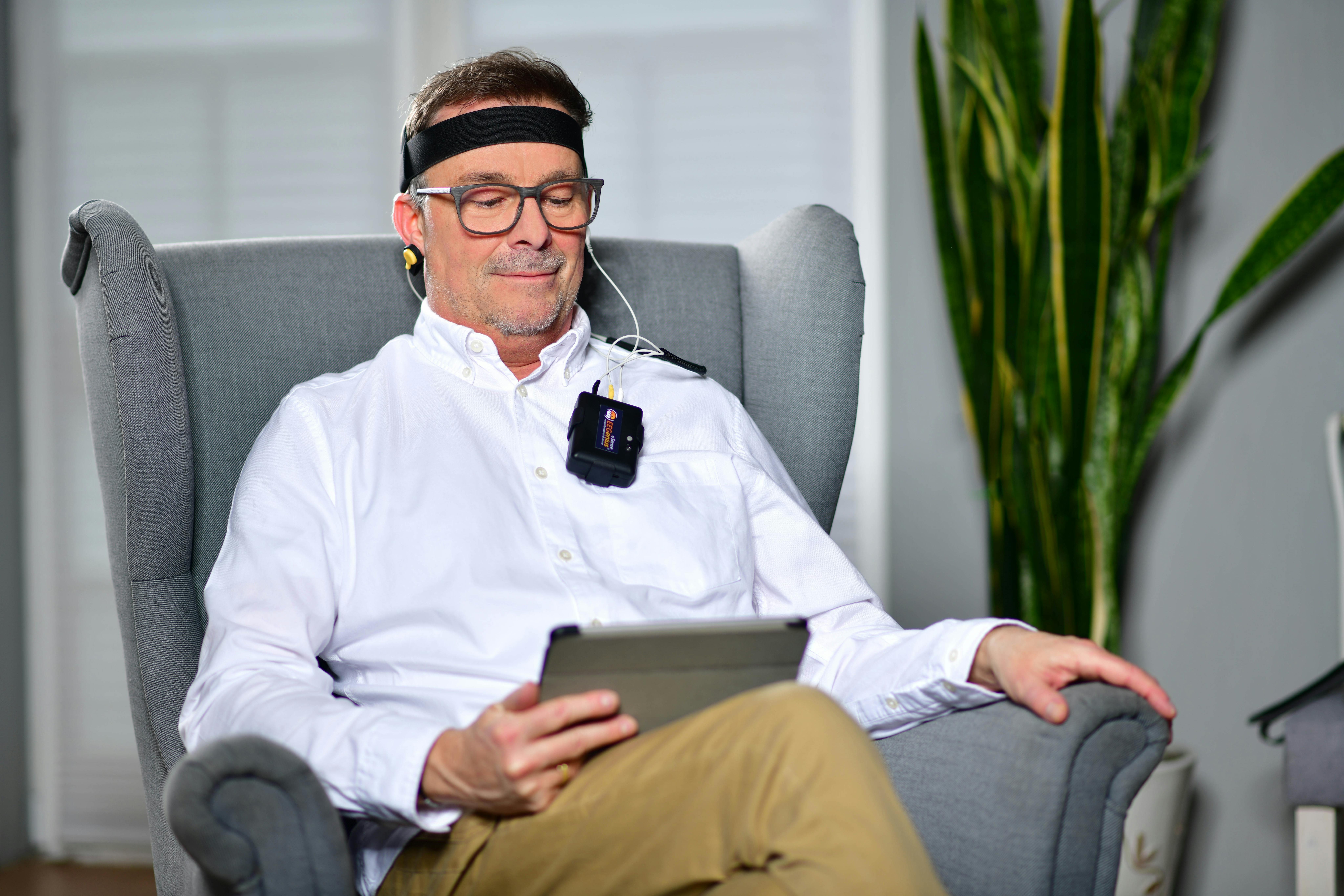
Peak flow biofeedback models represent a revolutionary approach to unlocking human potential through real-time physiological monitoring and performance optimization techniques.

🎯 Understanding Peak Flow Biofeedback: The Science Behind Optimal Performance
Peak flow biofeedback has emerged as one of the most powerful tools for individuals seeking to maximize their cognitive, physical, and emotional performance. This innovative approach combines cutting-edge technology with ancient wisdom about the mind-body connection, creating a comprehensive system for achieving what psychologists call “flow state” – that magical zone where everything clicks into place and performance reaches its zenith.
At its core, biofeedback technology measures various physiological parameters such as heart rate variability, breathing patterns, muscle tension, skin temperature, and brainwave activity. By making these normally unconscious processes visible and measurable, individuals gain unprecedented control over their internal states. This awareness forms the foundation for systematic improvement and the cultivation of peak performance states.
The concept of “flow” was popularized by renowned psychologist Mihaly Csikszentmihalyi, who described it as a state of complete absorption in an activity where time seems to disappear and performance naturally elevates. Peak flow biofeedback models take this concept further by providing objective measurements and training protocols that help users access this state more consistently and reliably.
💡 How Peak Flow Biofeedback Models Transform Performance
The transformation that occurs through consistent biofeedback training extends far beyond temporary performance boosts. These systems create lasting neurological changes that enhance your ability to self-regulate under pressure, maintain focus during critical moments, and recover quickly from stress or setbacks.
Modern biofeedback devices work by establishing a feedback loop between your body’s physiological responses and your conscious awareness. When you see your heart rate variability displayed on a screen, for instance, you can experiment with different breathing patterns or mental approaches to optimize that metric. Over time, your nervous system learns to recognize and reproduce these optimal states automatically.
The Physiological Markers of Peak Performance
Several key physiological indicators signal when you’ve entered a peak flow state. Understanding these markers helps you recognize and cultivate optimal performance conditions:
- Heart Rate Variability (HRV): Higher HRV indicates greater resilience and adaptability of your autonomic nervous system
- Coherent Breathing Patterns: Smooth, rhythmic breathing at approximately 5-6 breaths per minute optimizes oxygen delivery and nervous system balance
- Alpha and Theta Brainwaves: These frequencies are associated with relaxed alertness and creative problem-solving
- Reduced Muscle Tension: Optimal performance occurs when muscles are engaged but not excessively tight
- Stable Skin Temperature: Warmer extremities indicate better blood flow and reduced stress response
🏆 Applications Across Different Performance Domains
The versatility of peak flow biofeedback makes it valuable across an impressive range of human endeavors. From boardrooms to playing fields, from concert halls to surgical theaters, professionals are discovering how these tools can provide the competitive edge they’ve been seeking.
Athletic Performance Enhancement
Athletes were among the first to embrace biofeedback technology, recognizing its potential to fine-tune performance under high-pressure conditions. Olympic competitors, professional teams, and elite individual athletes now regularly incorporate biofeedback training into their preparation protocols. The technology helps them optimize arousal levels, maintain composure during competition, accelerate recovery between training sessions, and develop the mental resilience required at the highest levels of sport.
Biofeedback training allows athletes to identify their personal “zone of optimal functioning” – that sweet spot where they’re energized but not anxious, focused but not rigid. By learning to recognize and reproduce the physiological signature of this state, athletes can access peak performance more consistently when it matters most.
Business and Leadership Excellence
Corporate executives and entrepreneurs face their own unique performance challenges: high-stakes decision-making, sustained cognitive demands, interpersonal pressure, and the need to project confidence while managing internal stress. Peak flow biofeedback provides these professionals with tangible tools for managing their internal state regardless of external circumstances.
Leaders who master biofeedback techniques report improved decision-making clarity, enhanced emotional intelligence, greater resilience during organizational challenges, and better work-life balance. These benefits extend beyond individual performance to positively impact entire organizational cultures.
Creative and Artistic Performance
Musicians, writers, designers, and other creative professionals often struggle with performance anxiety, creative blocks, and inconsistent access to inspired states. Biofeedback training offers a pathway to more reliable creative flow by helping artists recognize and cultivate the physiological conditions that support their best work.
Many performing artists use biofeedback specifically to manage stage fright and performance anxiety. By learning to modulate their arousal levels, they can transform nervous energy into focused excitement, accessing both technical precision and emotional expressiveness simultaneously.
🔬 The Neuroscience Behind Peak Flow States
Recent advances in neuroscience have dramatically expanded our understanding of what occurs in the brain during peak performance states. Functional MRI studies reveal that flow states are characterized by a phenomenon called “transient hypofrontality” – a temporary reduction in activity in the prefrontal cortex.
This decreased prefrontal activity might sound counterintuitive, since this brain region is associated with higher-level thinking. However, when the prefrontal cortex quiets down, several beneficial changes occur: self-criticism diminishes, time perception alters, action and awareness merge, and automatic processing takes over from effortful control.
Simultaneously, the brain releases a cascade of performance-enhancing neurochemicals including dopamine, norepinephrine, endorphins, anandamide, and serotonin. This neurochemical cocktail creates the subjective feelings of effortlessness, enjoyment, and heightened capability that characterize peak experiences.
Building New Neural Pathways
One of the most exciting aspects of biofeedback training is its ability to create lasting neurological changes through neuroplasticity – the brain’s ability to reorganize itself by forming new neural connections. Each time you successfully use biofeedback to shift your state, you strengthen the neural pathways associated with that skill.
Over time, these pathways become more efficient and accessible, meaning you can achieve optimal states with less effort and sustain them for longer periods. This is why consistent biofeedback practice yields progressively better results – you’re literally rewiring your nervous system for peak performance.
📊 Implementing Peak Flow Biofeedback: A Practical Framework
Successfully integrating biofeedback into your performance optimization routine requires a systematic approach. The following framework provides a roadmap for maximizing your results with these powerful tools.
Phase 1: Baseline Assessment and Awareness
Begin by establishing your current baseline across key physiological metrics. This initial assessment phase typically lasts 1-2 weeks and involves regular monitoring without attempting to change anything. Simply observe your patterns during different activities and emotional states. This awareness-building phase is crucial because you cannot optimize what you cannot measure.
During this phase, pay attention to how your metrics fluctuate in response to various stimuli: challenging tasks, interpersonal interactions, physical exertion, relaxation periods, and sleep patterns. This information helps you identify your personal stress triggers and recovery opportunities.
Phase 2: Targeted Training and Skill Development
Once you’ve established your baseline, begin focused training sessions designed to improve specific metrics. Most experts recommend daily practice sessions of 10-20 minutes, ideally at consistent times when you’re unlikely to be interrupted.
During training sessions, experiment with different techniques while observing how they affect your physiological markers in real-time. Common approaches include diaphragmatic breathing exercises, progressive muscle relaxation, visualization techniques, mindfulness meditation, and positive emotional recall.
The key is finding which techniques produce the most favorable changes in your specific physiological profile. Remember that individual responses vary – what works brilliantly for one person may be less effective for another.
Phase 3: Integration and Real-World Application
The ultimate goal of biofeedback training is transferring your newly developed skills into real-world performance situations. This phase involves gradually applying your techniques during progressively more challenging contexts.
Start by using your biofeedback skills during low-stakes situations, then gradually work up to higher-pressure scenarios. Many people find it helpful to establish pre-performance routines that incorporate their most effective biofeedback techniques, creating reliable triggers for accessing optimal states.
🚀 Advanced Strategies for Maximizing Results
Once you’ve mastered the fundamentals, several advanced strategies can help you achieve even more impressive results with peak flow biofeedback.
Contextual Training
Practice your biofeedback skills in environments that closely simulate your actual performance context. If you’re preparing for public speaking, practice your heart rate variability techniques while giving presentations to small groups. If you’re an athlete, incorporate biofeedback monitoring into actual training sessions rather than only practicing in quiet, controlled environments.
This contextual training helps ensure that your skills transfer effectively when you need them most. Your nervous system learns to maintain optimal states even amid the complexity and pressure of real performance situations.
Combining Multiple Modalities
While single-metric biofeedback can be valuable, tracking multiple physiological parameters simultaneously often yields superior results. Modern biofeedback systems can monitor heart rate variability, breathing patterns, and muscle tension concurrently, providing a more comprehensive picture of your physiological state.
This multi-modal approach helps you understand the interconnections between different bodily systems and develop more sophisticated self-regulation skills. You might discover, for instance, that adjusting your breathing pattern automatically optimizes your heart rate variability, or that releasing tension in specific muscle groups helps quiet mental chatter.
Personalized Protocol Development
As you gain experience with biofeedback, develop personalized protocols tailored to your unique physiology, goals, and challenges. Track which techniques produce the best results for different situations you encounter regularly.
Some individuals respond particularly well to breathing-based interventions, while others achieve better results through muscle relaxation or visualization. Your optimal approach may also vary depending on the specific performance challenge you’re facing.
⚡ Overcoming Common Challenges and Obstacles
Like any skill worth developing, mastering peak flow biofeedback comes with its share of challenges. Understanding these common obstacles helps you navigate them more effectively.
The Paradox of Trying Too Hard
One of the most common difficulties people encounter is the tendency to force results. Peak flow states are characterized by effortlessness, but many people approach biofeedback training with excessive effort and tension. This creates a paradox: the harder you try to achieve a relaxed, optimal state, the more elusive it becomes.
The solution lies in cultivating what practitioners call “relaxed effort” or “passive volition” – maintaining clear intention while releasing attachment to specific outcomes. Focus on the process rather than the results, trusting that consistent practice will naturally yield improvements.
Inconsistent Practice
Another common challenge is maintaining consistent practice, especially as initial enthusiasm wanes or when immediate results aren’t apparent. Remember that biofeedback training creates cumulative benefits through neuroplastic changes that develop gradually over time.
Establish biofeedback practice as a non-negotiable part of your daily routine, similar to brushing your teeth or eating meals. Even brief five-minute sessions maintain momentum when longer practice periods aren’t feasible.
🌟 The Future of Peak Flow Biofeedback Technology
The field of biofeedback continues to evolve rapidly, with new technologies and applications emerging regularly. Wearable devices are becoming increasingly sophisticated, accurate, and unobtrusive, making continuous monitoring throughout daily activities more practical than ever before.
Artificial intelligence and machine learning algorithms are beginning to analyze biofeedback data in ways that identify patterns humans might miss, providing increasingly personalized recommendations for optimization. Virtual and augmented reality applications are creating immersive training environments that accelerate skill development.
Perhaps most exciting is the growing integration of biofeedback with other performance enhancement approaches, creating comprehensive systems that address the full spectrum of human potential – physical, cognitive, emotional, and even spiritual dimensions.
💪 Taking Action: Your Peak Performance Journey Begins Now
Understanding peak flow biofeedback intellectually is valuable, but transformation only occurs through consistent application. The most sophisticated biofeedback system provides no benefit if it remains unused.
Begin your journey today by selecting appropriate biofeedback tools for your specific goals and context. Many excellent smartphone applications provide accessible entry points into biofeedback training, while more serious practitioners may opt for dedicated hardware devices offering greater precision and expanded capabilities.
Commit to a minimum 30-day trial period of daily practice before evaluating results. Remember that you’re developing new skills and creating neurological changes that require time to consolidate. Most people begin noticing meaningful improvements within 2-4 weeks of consistent practice, with benefits continuing to compound over months and years.
Connect with communities of fellow practitioners who can provide support, share insights, and help maintain motivation during challenging periods. Whether through online forums, local meetup groups, or formal training programs, learning alongside others accelerates your progress and enriches the journey.
🎓 Integrating Biofeedback with Holistic Performance Optimization
While peak flow biofeedback is remarkably powerful, it works best as part of a comprehensive approach to performance optimization. The most successful practitioners integrate biofeedback with other evidence-based strategies including adequate sleep, proper nutrition, regular physical exercise, stress management practices, continuous learning, and meaningful social connections.
Think of biofeedback as a sophisticated instrument that helps you fine-tune performance, while these foundational lifestyle factors provide the raw materials necessary for optimization. No amount of biofeedback training can compensate for chronic sleep deprivation, poor nutrition, or unmanaged stress from other sources.
Similarly, biofeedback complements rather than replaces skill development in your chosen domain. A musician still needs to practice their instrument, an athlete must develop sport-specific techniques, and a business leader requires domain knowledge and strategic thinking abilities. Biofeedback simply helps you access and apply those skills more effectively under pressure.

🔥 Unlocking Your Full Potential Starting Today
Peak flow biofeedback models offer a scientifically validated pathway to consistently accessing your highest capabilities. By making unconscious physiological processes visible and trainable, these tools empower you to take control of your performance in ways that were impossible just a generation ago.
The journey toward peak performance is deeply personal, requiring patience, persistence, and self-compassion alongside technical skill development. There will be frustrating sessions where nothing seems to work, breakthrough moments of profound capability, and countless training sessions that feel unremarkable but create cumulative progress.
Your potential for extraordinary performance already exists within you. Peak flow biofeedback simply provides the tools, techniques, and feedback necessary to unlock that potential more consistently and completely. The question isn’t whether these methods work – decades of research and millions of practitioners have conclusively demonstrated their effectiveness.
The only remaining question is whether you’re ready to commit to the practice required to transform your performance from sporadic glimpses of greatness into sustained excellence. Your peak performance journey begins with a single biofeedback session, a willingness to observe yourself honestly, and the commitment to show up consistently for your own development.
The tools are available, the science is proven, and your potential awaits. All that remains is taking that crucial first step toward unlocking the extraordinary capabilities that have always resided within you. 🌟