Thermal biofeedback represents a revolutionary approach to wellness, enabling you to consciously control your body’s temperature responses and unlock profound health benefits through mindful awareness.

🌡️ Understanding the Science Behind Thermal Biofeedback
Thermal biofeedback is a mind-body technique that trains you to regulate your peripheral body temperature, primarily in your hands and feet, through conscious awareness and relaxation strategies. This powerful modality operates on the principle that your autonomic nervous system—typically considered involuntary—can actually be influenced through focused attention and practice.
When you’re stressed or anxious, your sympathetic nervous system triggers vasoconstriction, reducing blood flow to your extremities and causing your hands and feet to feel cold. Conversely, relaxation activates the parasympathetic nervous system, promoting vasodilation and warmth. By learning to increase temperature in your fingers, you’re essentially training yourself to activate your body’s natural relaxation response.
Research has demonstrated that thermal biofeedback works by enhancing your interoceptive awareness—the ability to perceive internal bodily sensations. This heightened awareness creates a feedback loop between your conscious mind and autonomic processes, establishing new neural pathways that facilitate voluntary control over previously automatic functions.
The Remarkable Health Benefits of Temperature Control
The applications of thermal biofeedback extend far beyond simple relaxation. Clinical studies have documented significant improvements across multiple health conditions, making this technique a valuable tool in integrative medicine.
Migraine and Headache Management 💆
Thermal biofeedback has emerged as one of the most effective non-pharmacological treatments for migraine prevention. Studies show that approximately 70-80% of migraine sufferers experience significant symptom reduction when practicing thermal biofeedback regularly. The mechanism involves redistributing blood flow away from the cranial vessels during the onset phase of migraines, potentially preventing the vascular changes that trigger these debilitating headaches.
Stress and Anxiety Reduction
By learning to warm your hands on command, you’re simultaneously activating your parasympathetic nervous system—the body’s natural calm-down mechanism. This creates a portable stress management tool you can access anywhere, anytime. Regular practitioners report decreased general anxiety levels, improved emotional regulation, and enhanced resilience to daily stressors.
Raynaud’s Disease Relief
For individuals suffering from Raynaud’s disease, a condition characterized by excessive vasoconstriction in response to cold or stress, thermal biofeedback offers genuine relief. Clinical trials demonstrate that consistent practice can reduce the frequency and severity of Raynaud’s episodes by teaching patients to maintain peripheral warmth even under challenging conditions.
Enhanced Immune Function
Emerging research suggests that the stress reduction achieved through thermal biofeedback may support immune system optimization. Chronic stress suppresses immune function, while relaxation practices enhance it. By regularly engaging your parasympathetic nervous system, you create physiological conditions favorable for robust immune responses.
Getting Started: Essential Thermal Biofeedback Techniques
Beginning your thermal biofeedback practice requires minimal equipment and can be learned by virtually anyone committed to improving their health through self-regulation.
Setting Up Your Practice Environment
Create a quiet, comfortable space where you won’t be disturbed for 15-20 minutes. The room temperature should be neutral—neither too warm nor too cold—allowing your body’s natural thermoregulation to function without external interference. Dim lighting and minimal distractions optimize your ability to focus inward.
Basic Temperature Awareness Exercise
Start by simply noticing the temperature of your hands. Place your attention on your fingertips and observe without judgment. Are they warm, cool, or neutral? This baseline awareness establishes the foundation for all subsequent practice. Many beginners are surprised to discover just how cool their hands typically are, reflecting chronic low-level stress.
The Hand Warming Technique
Once you’ve established baseline awareness, begin using mental imagery to encourage warmth. Effective visualizations include:
- Imagining your hands immersed in pleasantly warm water
- Visualizing sunlight gently heating your palms
- Picturing your hands resting near a cozy fireplace
- Imagining warm blood flowing easily through your fingers
- Recalling the sensation of holding a warm cup of tea
The specific imagery matters less than finding what resonates with you personally. Experiment with different visualizations until you discover which produces the most consistent warming response.
🔧 Tools and Technology for Thermal Biofeedback Training
While thermal biofeedback can be practiced without equipment, specialized tools provide precise feedback that accelerates learning and deepens your practice.
Professional Biofeedback Devices

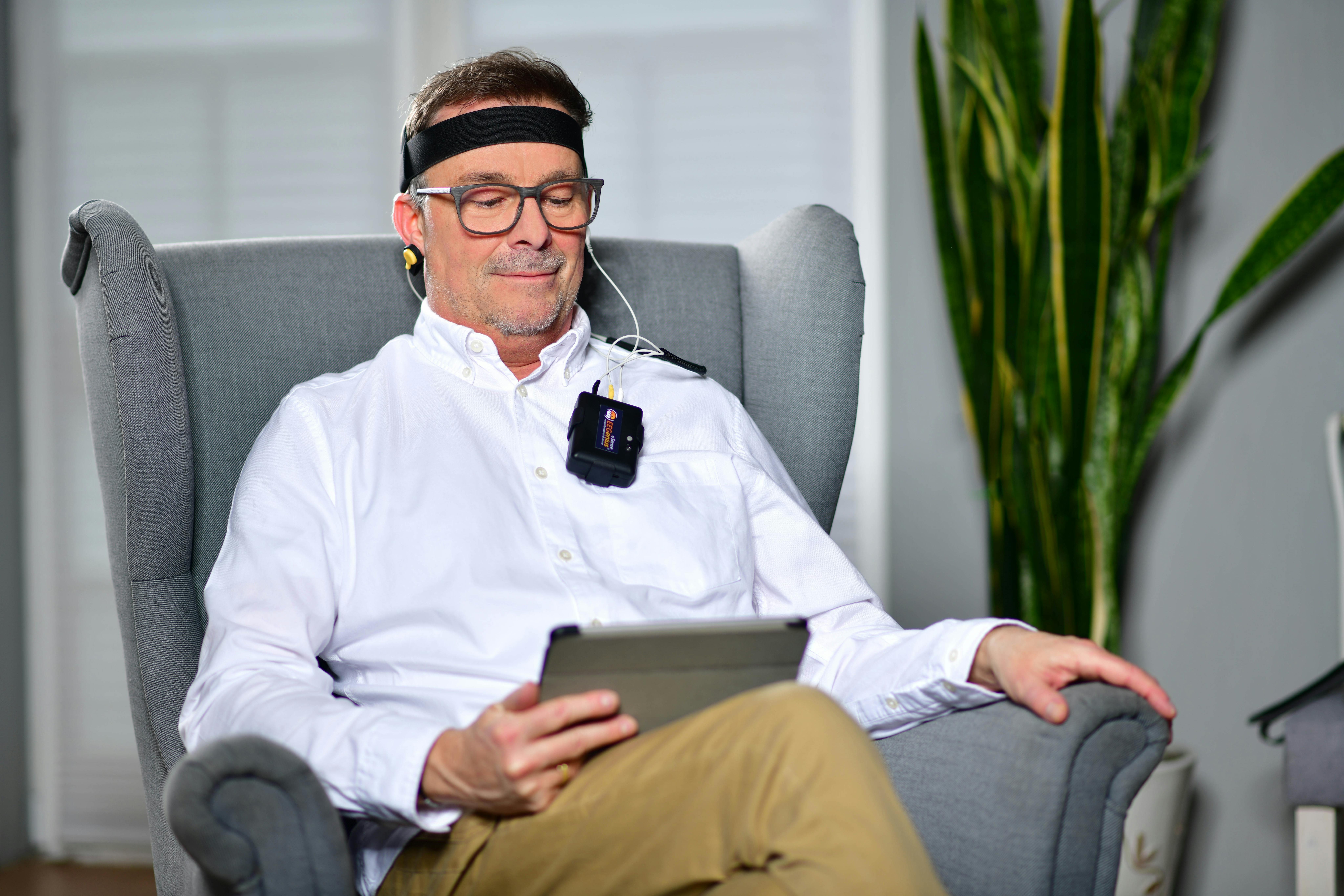
Clinical-grade thermal biofeedback units use thermistors—highly sensitive temperature sensors—that detect changes as small as 0.1 degrees Fahrenheit. These devices typically display temperature readings in real-time, allowing you to see immediate responses to your mental strategies. Many practitioners find this concrete feedback tremendously motivating and instructive.
Temperature-Sensing Rings and Strips
Biodots and mood rings use liquid crystal technology that changes color based on skin temperature. While less precise than electronic sensors, these affordable options provide visual feedback suitable for beginners. They’re particularly useful for children or individuals who prefer a low-tech approach.
Smartphone Applications
Several mobile applications now incorporate thermal biofeedback training, using either external sensors that connect via Bluetooth or guided practices that help you develop temperature awareness without direct measurement. These apps often include progress tracking, reminders, and structured training programs.
Advanced Practices for Experienced Practitioners
Once you’ve mastered basic hand warming, several advanced techniques can deepen your practice and extend its applications.
Differential Temperature Control
Challenge yourself by warming one hand while keeping the other neutral, or by creating specific temperature differentials between hands. This advanced skill demonstrates sophisticated autonomic control and transfers well to other self-regulation practices.
Rapid Response Training
Practice warming your hands quickly—within one to two minutes—on demand. This skill proves especially valuable during acute stress situations, providing a reliable tool for immediate nervous system regulation. Many practitioners report this becomes their go-to strategy before challenging presentations, difficult conversations, or medical procedures.
Environmental Challenge Training
Once you can reliably warm your hands in ideal conditions, introduce mild challenges. Practice in cooler rooms, with minor distractions, or during mildly stressful activities. This generalization training ensures your skills remain accessible when you need them most—during real-world stress.
💡 Integrating Thermal Biofeedback with Other Wellness Practices
Thermal biofeedback synergizes beautifully with complementary wellness modalities, creating comprehensive self-care routines that address multiple aspects of health simultaneously.
Meditation and Mindfulness
Combining thermal biofeedback with meditation practices enhances both modalities. The concrete feedback of changing hand temperature provides an anchor for attention during meditation, while meditative awareness deepens your capacity for subtle internal perception. Many practitioners report that thermal biofeedback accelerates meditation skill development.
Breathing Exercises
Specific breathing patterns powerfully influence peripheral temperature. Slow, diaphragmatic breathing—approximately 6 breaths per minute—optimally activates the parasympathetic nervous system and promotes hand warming. Pairing thermal awareness with conscious breathing creates a robust relaxation protocol.
Progressive Muscle Relaxation
Systematically tensing and releasing muscle groups while monitoring hand temperature teaches you how muscle tension affects peripheral blood flow. This awareness helps you identify and release unconscious tension patterns that may be limiting circulation and contributing to various health issues.
Clinical Applications and Medical Integration
Healthcare providers increasingly recognize thermal biofeedback as a valuable adjunctive therapy for various conditions, integrating it into comprehensive treatment plans.
Pain Management Programs
Chronic pain clinics frequently incorporate thermal biofeedback into multimodal treatment approaches. The technique addresses both the physiological and psychological aspects of pain, reducing muscle tension, improving circulation, and providing patients with increased sense of control over their condition.
Cardiovascular Health
Thermal biofeedback training may support cardiovascular wellness by promoting healthy vascular function and reducing chronic stress—a major risk factor for heart disease. Some research suggests regular practice may contribute to modest improvements in blood pressure regulation, though it should complement, not replace, standard medical care.
Mental Health Treatment
Psychologists and counselors utilize thermal biofeedback as part of anxiety treatment protocols, particularly for generalized anxiety disorder, panic disorder, and stress-related conditions. The technique provides tangible evidence of physiological change, which can be especially valuable for clients who struggle with abstract psychological concepts.
🎯 Creating Your Personal Thermal Biofeedback Protocol
Developing a consistent practice tailored to your specific goals and circumstances maximizes the benefits of thermal biofeedback training.
Establishing Practice Frequency
Research suggests that practicing 15-20 minutes daily yields optimal results, with noticeable improvements typically emerging within 4-6 weeks. However, even brief sessions—as short as 5 minutes—provide benefit when practiced consistently. The key is regularity rather than duration.
Tracking Your Progress
Maintain a simple practice log recording baseline and achieved temperatures, along with notes about techniques used and subjective experiences. This documentation reveals patterns, identifies effective strategies, and provides motivation as you witness your developing capabilities.
| Week | Average Baseline Temp | Average Peak Temp | Temperature Increase |
|---|---|---|---|
| Week 1 | 82°F | 87°F | 5°F |
| Week 4 | 85°F | 93°F | 8°F |
| Week 8 | 88°F | 95°F | 7°F |
| Week 12 | 90°F | 96°F | 6°F |
Troubleshooting Common Challenges
Most practitioners encounter obstacles during their thermal biofeedback journey. If progress seems slow, consider these adjustments: ensure adequate hydration, as dehydration impairs circulation; examine caffeine intake, which causes vasoconstriction; address underlying anxiety that may interfere with relaxation; and verify that your practice environment supports focused attention.
The Neuroscience of Self-Regulation and Lasting Change
Understanding the brain mechanisms underlying thermal biofeedback helps appreciate why this practice creates lasting benefits extending far beyond temperature control.
Repeated thermal biofeedback practice strengthens connections between the prefrontal cortex—your brain’s executive control center—and subcortical structures regulating autonomic function. This enhanced connectivity represents true neuroplasticity, creating structural changes that support improved self-regulation across multiple domains.
The insula, a brain region central to interoceptive awareness, shows increased activity and enhanced functioning in experienced biofeedback practitioners. This heightened interoceptive capacity contributes to improved emotional regulation, better decision-making, and increased overall wellbeing.
Additionally, regular practice appears to shift autonomic baseline functioning toward greater parasympathetic tone—essentially resetting your nervous system’s default state to one of greater calm and resilience. This shift represents perhaps the most valuable long-term benefit of sustained thermal biofeedback practice.
🌟 Beyond Temperature: Broader Implications for Human Potential
Thermal biofeedback serves as a gateway to exploring the remarkable extent of conscious influence over seemingly automatic physiological processes.
Mastering hand temperature control demonstrates to yourself—in concrete, measurable terms—that you possess far more control over your internal state than commonly assumed. This experiential knowledge often catalyzes broader explorations of human potential, motivating practitioners to investigate other self-regulation modalities and ultimately supporting more empowered, intentional living.
The skills developed through thermal biofeedback—focused attention, subtle internal perception, patient persistence, and non-judgmental awareness—transfer beneficially to countless life domains. Practitioners frequently report improvements in emotional regulation, interpersonal relationships, professional performance, and overall life satisfaction that extend far beyond the specific health concerns that initially motivated their practice.
Bringing Thermal Wisdom into Daily Life
The ultimate goal of thermal biofeedback training is not laboratory performance but practical application during real-world challenges.
As your skills develop, you’ll discover numerous opportunities to apply thermal awareness throughout your day. Before stressful meetings, during traffic delays, when experiencing physical discomfort, or anytime anxiety emerges, briefly checking in with your hand temperature and applying warming techniques provides immediate nervous system support.
Many experienced practitioners describe their thermal awareness becoming largely unconscious—a background process continuously optimizing autonomic balance without requiring deliberate attention. This automatic regulation represents the pinnacle of biofeedback mastery, where conscious practice transforms into unconscious competence.
Your body possesses extraordinary self-healing and self-regulating capacities, often limited only by lack of awareness and skill in accessing these innate abilities. Thermal biofeedback provides a practical, scientifically-validated pathway to unlock these latent potentials, supporting not just symptom relief but genuine optimization of health, performance, and wellbeing. By committing to regular practice and patient skill development, you invest in capabilities that will serve you throughout your lifetime, providing an ever-available resource for navigating life’s inevitable challenges with greater ease, resilience, and grace.