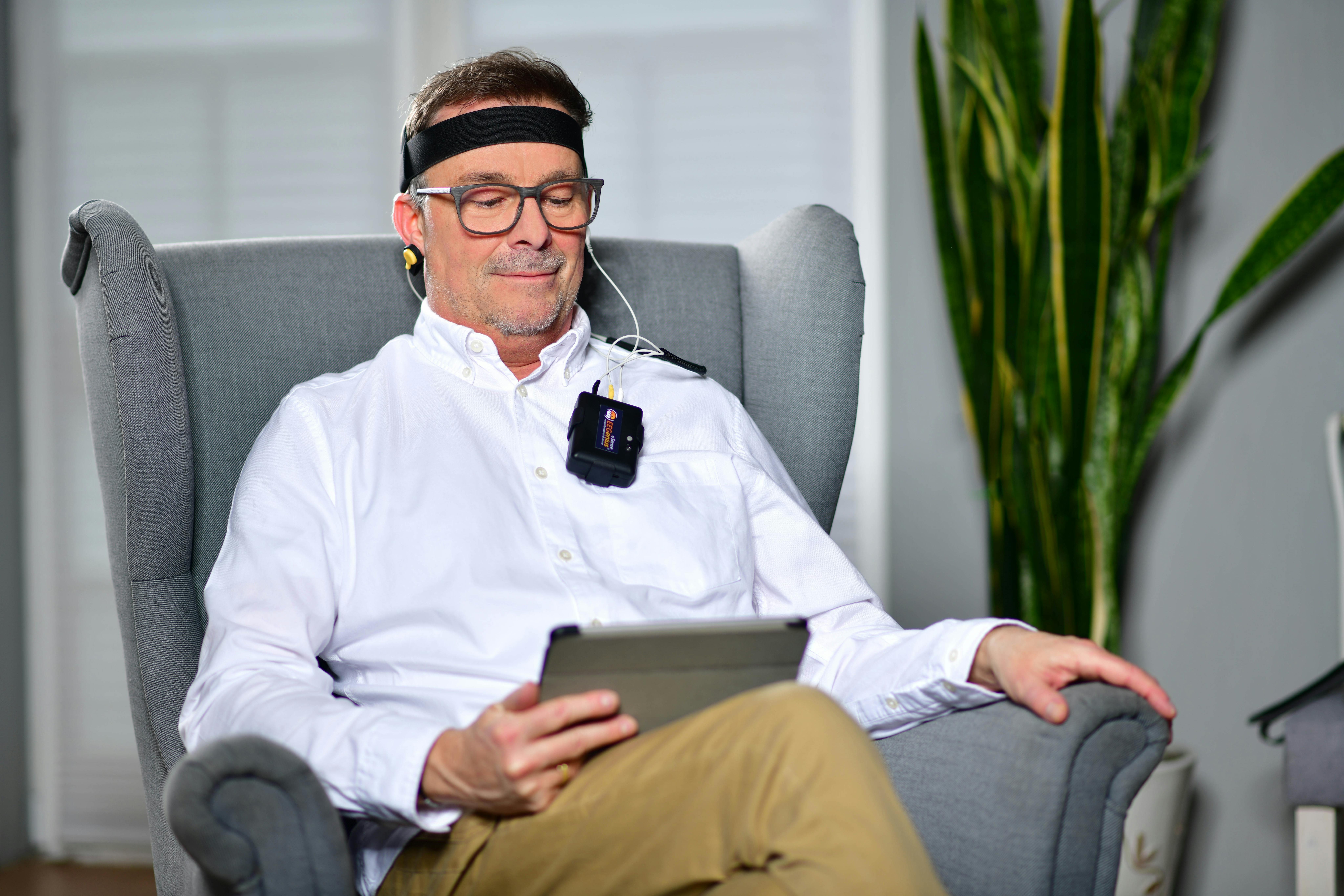
Your mind and body hold extraordinary potential waiting to be unlocked. Adaptive biofeedback coaching combines cutting-edge technology with personalized guidance to help you achieve unprecedented personal growth and success.

🧠 What Is Adaptive Biofeedback Coaching?
Adaptive biofeedback coaching represents a revolutionary approach to personal development that merges physiological monitoring with tailored coaching strategies. This innovative methodology uses real-time data from your body—such as heart rate variability, skin temperature, breathing patterns, and muscle tension—to provide immediate insights into your mental and physical state.
Unlike traditional coaching methods that rely solely on self-reported information and subjective assessments, adaptive biofeedback creates an objective foundation for understanding your responses to stress, challenges, and various situations. The “adaptive” component means the coaching adjusts dynamically based on your unique biological feedback, creating a truly personalized growth journey.
This technology-enhanced coaching approach has roots in clinical psychology and sports performance optimization, but has recently expanded into mainstream personal development. By making the invisible visible—revealing unconscious physiological patterns—you gain unprecedented awareness of how your body responds to thoughts, emotions, and environmental factors.
The Science Behind Biofeedback and Personal Transformation
The scientific foundation of biofeedback coaching rests on the principle of operant conditioning and neuroplasticity. When you receive immediate feedback about physiological processes that normally operate below conscious awareness, you can learn to influence them intentionally. This creates powerful opportunities for self-regulation and behavioral change.
Research published in leading neuroscience journals demonstrates that biofeedback training can literally rewire neural pathways. When you practice controlling your heart rate variability or reducing muscle tension while receiving real-time feedback, your brain forms new connections that make these skills increasingly automatic over time.
The adaptive element amplifies these benefits by constantly adjusting difficulty levels and focus areas based on your progress. If your data shows consistent stress responses during presentations, your coaching program might emphasize breathing techniques and visualization exercises specifically designed to address public speaking anxiety.
Key Physiological Markers That Drive Results
Understanding which biological signals provide the most valuable insights helps you appreciate how comprehensive this approach truly is:
- Heart Rate Variability (HRV): This measurement reflects the variation in time between heartbeats and serves as a powerful indicator of stress resilience, emotional regulation, and overall autonomic nervous system balance.
- Electrodermal Activity: Changes in skin conductance reveal emotional arousal and stress levels, providing insight into your psychological state during various activities.
- Respiration Patterns: Breathing rate and depth correlate strongly with anxiety, focus, and energy levels, making breath work a cornerstone of biofeedback training.
- Muscle Tension: Electromyography (EMG) sensors detect subtle muscle contractions that often accompany stress, poor posture, or emotional holding patterns.
- Brain Wave Activity: EEG measurements can identify mental states associated with focus, relaxation, creativity, or distraction.
🎯 How Adaptive Biofeedback Accelerates Personal Growth
Traditional personal development methods often require weeks or months before you notice meaningful progress. Adaptive biofeedback coaching compresses this timeline by providing immediate confirmation when you’re moving in the right direction. This instant reinforcement accelerates skill acquisition and habit formation.
Consider someone working to manage stress more effectively. Without biofeedback, they might practice meditation for weeks without certainty about whether they’re doing it correctly or experiencing genuine physiological benefits. With biofeedback coaching, they see their heart rate variability improve within minutes, confirming their technique is working and motivating continued practice.
The adaptive algorithms analyze patterns across multiple sessions, identifying triggers, optimal practice times, and techniques that work best for your unique physiology. This data-driven personalization eliminates the guesswork from personal development, replacing generic advice with precision-targeted interventions.
Breaking Through Performance Plateaus
Every person pursuing growth eventually encounters plateaus where progress seems to stall. Adaptive biofeedback excels at identifying the subtle factors holding you back. Perhaps your data reveals that afternoon coaching sessions produce better results than morning ones, or that your stress recovery takes longer after certain types of challenges.
These insights allow your coaching program to adjust timing, intensity, and approach to maintain momentum. The system might introduce new challenge levels, shift focus to complementary skills, or implement recovery protocols when your physiological markers indicate overtraining or burnout risk.
Real-World Applications for Success and Achievement
The versatility of adaptive biofeedback coaching makes it valuable across virtually every domain of human performance and well-being. Athletes use it to achieve peak performance states, business leaders employ it to enhance decision-making under pressure, and students leverage it to optimize focus and retention.
In corporate environments, executives working with biofeedback coaches report improved emotional intelligence, better stress management during high-stakes negotiations, and enhanced leadership presence. The objective data helps them recognize early warning signs of burnout and implement preventive strategies before performance suffers.
Creative professionals discover how to access flow states more consistently by identifying the physiological signatures associated with their most productive sessions. They learn to recreate those conditions intentionally, dramatically increasing creative output and quality.
Transforming Health and Wellness Goals
Beyond professional achievement, adaptive biofeedback coaching revolutionizes personal health and wellness pursuits. Individuals struggling with chronic pain conditions learn to modulate their physiological responses, often reducing discomfort without medication. Those battling insomnia discover which pre-sleep routines genuinely promote relaxation based on their unique nervous system responses.
Weight management becomes more effective when biofeedback reveals the difference between emotional hunger and genuine physiological need. Stress-eating patterns become visible in the data, allowing coaches to help clients develop alternative coping strategies that don’t involve food.
💡 Getting Started with Biofeedback Coaching
Beginning your journey with adaptive biofeedback coaching requires understanding the available tools, finding qualified practitioners, and setting appropriate expectations. The landscape includes everything from clinical-grade equipment to consumer-friendly wearable devices, each offering different levels of accuracy and insight.
Professional biofeedback coaching typically begins with a comprehensive assessment session where practitioners establish baseline measurements across various physiological markers. This initial data creates a reference point for measuring progress and identifying areas where intervention will yield the greatest benefits.
Modern technology has made basic biofeedback increasingly accessible through smartphone apps and affordable wearable sensors. While these consumer tools may not match clinical precision, they provide sufficient accuracy for many personal development applications and serve as excellent entry points into the practice.
Essential Equipment and Technology Considerations
The biofeedback technology landscape continues evolving rapidly, with new devices offering improved accuracy, convenience, and affordability. When selecting tools, consider your specific goals, budget, and commitment level:
- Clinical-Grade Systems: These comprehensive platforms offer the highest accuracy and multiple sensor types but require professional operation and represent significant investment.
- Consumer Wearables: Devices like chest strap heart rate monitors and fitness trackers provide reliable HRV data and breathing metrics at accessible price points.
- Smartphone Integration: Many apps now leverage phone cameras and microphones to estimate heart rate variability and breathing patterns without additional hardware.
- Specialized Sensors: Purpose-built devices focus on specific metrics like muscle tension, skin temperature, or brain wave activity for targeted applications.
Working with an Adaptive Biofeedback Coach
While technology provides the data foundation, human expertise transforms that information into actionable growth strategies. Qualified biofeedback coaches possess training in physiology, psychology, and coaching methodologies, enabling them to interpret your data within the context of your goals and life circumstances.
The coaching relationship typically involves regular sessions where you review data trends, practice new techniques, and adjust strategies based on what the biofeedback reveals. Between sessions, you complete assigned practices while wearing sensors that record your physiological responses for later analysis.
This combination of guided sessions and independent practice creates rapid skill development. Your coach identifies patterns you might miss and provides encouragement when data shows progress that hasn’t yet translated into subjective experience. They also help you understand temporary setbacks as normal parts of the learning process rather than failures.
Questions to Ask When Selecting a Coach
Finding the right biofeedback coach significantly impacts your results. Consider asking potential coaches:
- What certifications and training do you hold in biofeedback and coaching methodologies?
- Which physiological markers do you primarily work with, and why are they relevant to my goals?
- What technology platforms and devices do you use or recommend?
- How do you adapt coaching strategies based on individual client data?
- Can you share success stories from clients with goals similar to mine?
- What is your typical coaching timeline and session structure?
- How do you measure progress beyond subjective self-reports?
🚀 Maximizing Your Biofeedback Coaching Investment
Achieving exceptional results from adaptive biofeedback coaching requires more than passive participation. The individuals who experience transformative growth approach the process with commitment, curiosity, and consistency.
Consistent practice proves essential because biofeedback training creates lasting change through repetition and neuroplastic adaptation. Sporadic engagement produces minimal results, while regular practice—even brief daily sessions—yields dramatic improvements over weeks and months.
Maintaining detailed notes about your subjective experience alongside the objective biofeedback data enriches the coaching process. Recording observations about challenging situations, breakthrough moments, and perceived changes helps your coach refine strategies and celebrate progress that extends beyond numerical metrics.
Integrating Biofeedback into Daily Life
The ultimate goal extends beyond performing well during coaching sessions to applying learned skills throughout daily life. This integration happens gradually as you recognize familiar physiological patterns in real-world situations and deploy appropriate techniques automatically.
Many practitioners find value in brief “check-in” moments throughout their day, pausing to assess their current physiological state and apply regulation techniques when needed. This mindful awareness, cultivated through biofeedback training, becomes increasingly natural over time.
Environmental optimization represents another powerful application of biofeedback insights. If your data consistently shows better focus and lower stress in specific settings, you can intentionally design your workspace and routines to incorporate those elements. Perhaps natural light, cooler temperatures, or background sounds correlate with your optimal physiological states.
The Future of Personalized Growth Technology
Adaptive biofeedback coaching stands at the forefront of a broader movement toward data-driven, personalized approaches to human development. Emerging technologies promise even more sophisticated capabilities, including artificial intelligence that identifies subtle patterns across thousands of data points and predicts optimal intervention timing.
Integration with virtual and augmented reality will create immersive training environments where you practice stress management during simulated high-pressure scenarios while receiving real-time biofeedback. Imagine rehearsing an important presentation in a virtual boardroom while your coach monitors your physiological responses and provides immediate guidance.
Wearable technology continues advancing toward less obtrusive, more accurate sensors that collect continuous data without requiring conscious effort. This passive monitoring will enable coaches to identify patterns across days and weeks, revealing relationships between sleep quality, nutrition, exercise, and performance that would otherwise remain hidden.

🌟 Transforming Potential into Reality
The power of adaptive biofeedback coaching lies in its ability to make personal growth tangible, measurable, and dramatically more effective. By revealing the invisible processes that govern your responses to life’s challenges, this approach empowers you with unprecedented self-knowledge and control.
Traditional personal development often feels like wandering in darkness, hoping you’re moving in the right direction. Biofeedback illuminates the path, showing exactly where you are, how far you’ve come, and which direction leads toward your goals. This clarity eliminates doubt and sustains motivation even during difficult phases of the growth journey.
For individuals committed to reaching their highest potential, adaptive biofeedback coaching offers a scientifically grounded, personally tailored pathway to success. The combination of objective physiological data, expert coaching, and cutting-edge technology creates an environment where transformation happens with unprecedented speed and permanence.
Your body already contains the wisdom needed for breakthrough growth and achievement. Adaptive biofeedback coaching simply provides the tools and guidance to access that wisdom, harness it effectively, and translate it into concrete results across every area of your life. The question isn’t whether you have untapped potential—it’s whether you’re ready to unlock it.
As you consider incorporating adaptive biofeedback coaching into your personal development strategy, remember that the most dramatic results come to those who approach the process with patience, consistency, and genuine curiosity about what their physiological data reveals. Your journey toward peak performance and fulfillment begins with a single session, but the benefits compound over time, creating lasting change that extends far beyond what traditional coaching methods can achieve alone.