In today’s fast-paced world, stress has become an unwelcome companion in our daily lives. Learning to recognize and manage stress in real-time can transform how we navigate challenging situations.

🧠 Understanding Your Body’s Stress Language
Your body communicates stress long before your mind fully registers it. These physical signals serve as early warning systems, alerting you to rising tension levels that need attention. By tuning into these indicators, you can intervene before stress escalates into overwhelming anxiety or burnout.
The physiological response to stress involves a complex cascade of hormones, including cortisol and adrenaline. These chemicals prepare your body for action, but chronic activation can lead to serious health consequences. Recognizing these patterns allows you to take preventive measures that protect both your mental and physical wellbeing.
Physical Manifestations You Can’t Ignore
Your muscles tighten involuntarily when stress strikes. Notice the tension in your jaw, shoulders, or neck—these areas typically hold stress first. Shallow breathing becomes the norm, reducing oxygen flow to your brain and intensifying feelings of panic or unease.
Heart rate acceleration is another unmistakable indicator. You might feel your pulse quickening during a difficult conversation or before an important presentation. Sweaty palms, increased body temperature, and digestive discomfort are equally telling signs that your stress response has been triggered.
📱 Technology-Powered Stress Monitoring

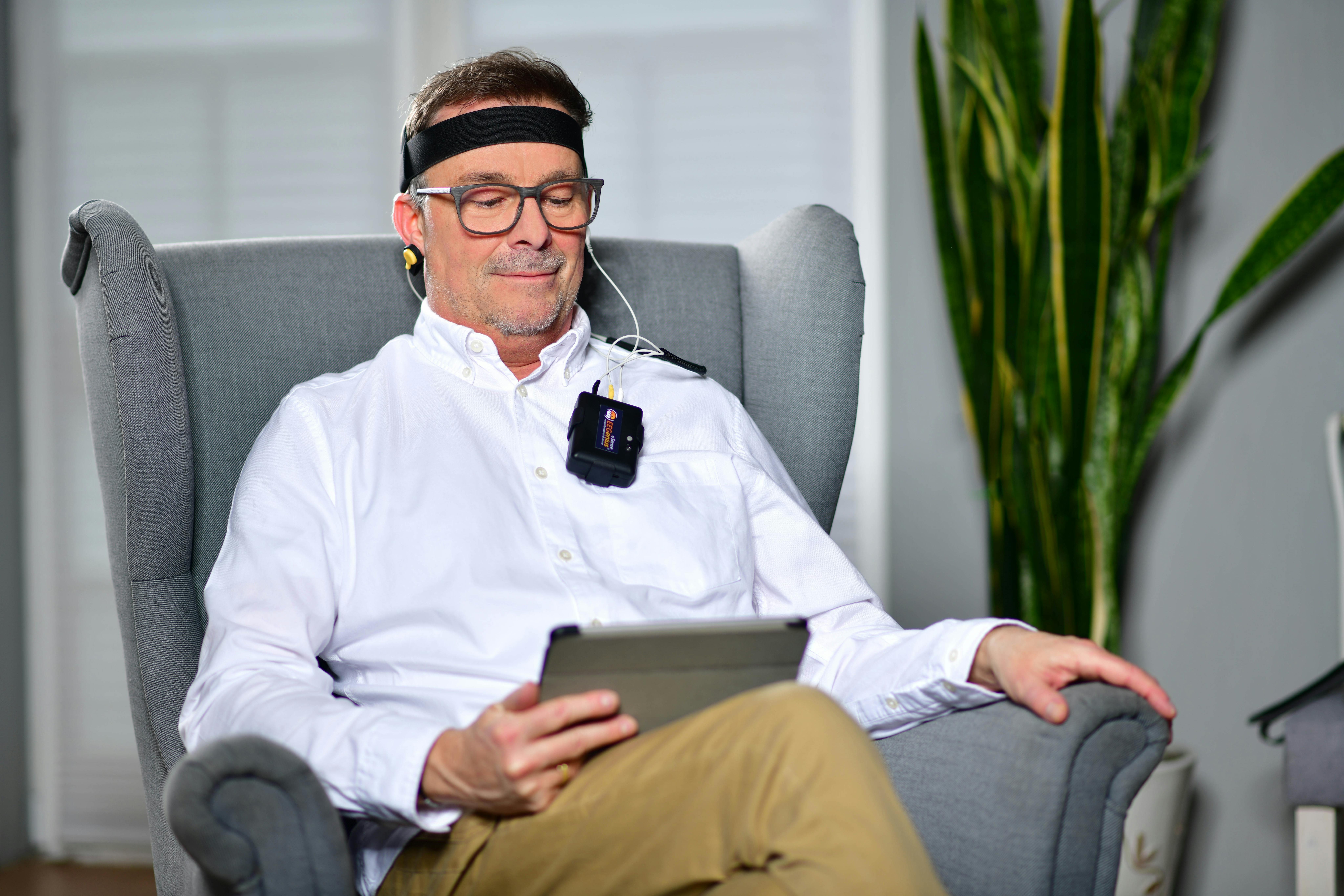
Modern technology has revolutionized how we track and manage stress levels. Wearable devices and smartphone applications now offer real-time insights into your physiological state, providing data that was once only available in clinical settings.
Smartwatches equipped with heart rate variability (HRV) sensors can detect stress patterns throughout your day. HRV measures the variation in time between heartbeats, and lower variability often indicates higher stress levels. This metric has become a gold standard for objective stress assessment.
Applications designed for stress management combine multiple data points to provide comprehensive assessments. They track sleep quality, activity levels, breathing patterns, and even skin temperature changes. This holistic approach helps identify stress triggers you might otherwise miss.
Biometric Feedback Systems
Advanced stress monitoring tools measure electrodermal activity, detecting subtle changes in skin conductance linked to emotional arousal. These devices provide immediate feedback, allowing you to test different calming techniques and see which methods work best for your unique physiology.
Some applications integrate with wearable devices to send alerts when stress indicators exceed healthy thresholds. These timely notifications prompt you to take breaks, practice breathing exercises, or engage in quick stress-relief activities before tension builds to unmanageable levels.
🎯 Behavioral Stress Signals That Reveal Everything
Beyond physical symptoms, your behavior changes dramatically under stress. Recognizing these patterns in yourself requires honest self-reflection and sometimes input from trusted friends or colleagues who notice what you might miss.
Irritability increases when stress accumulates. You might snap at loved ones, lose patience with minor inconveniences, or feel disproportionately frustrated by everyday challenges. These emotional reactions signal that your stress reserves have depleted and recovery time is necessary.
Changes in Daily Habits and Routines
Stress disrupts established patterns. You might skip meals, overeat comfort foods, or rely excessively on caffeine to maintain energy levels. Sleep disturbances become common, with difficulty falling asleep or staying asleep throughout the night.
Procrastination intensifies under stress, creating a vicious cycle where delayed tasks generate additional pressure. You might also notice decreased motivation for activities you typically enjoy, a classic sign that stress is affecting your overall quality of life.
- Withdrawing from social interactions and preferring isolation
- Difficulty concentrating or completing routine tasks
- Increased reliance on unhealthy coping mechanisms
- Neglecting personal care and hygiene standards
- Making more mistakes or experiencing memory lapses
💭 Cognitive Indicators of Rising Stress Levels
Your thought patterns shift noticeably when stress escalates. Mental clarity diminishes, replaced by racing thoughts, excessive worry, or catastrophic thinking. Recognizing these cognitive changes helps you implement strategies to regain perspective and mental balance.
Decision-making becomes impaired under sustained stress. Simple choices feel overwhelming, and you might experience analysis paralysis when faced with multiple options. This cognitive fog indicates that your brain needs rest and recovery time.
The Rumination Trap
Repetitive negative thinking characterizes stress-induced rumination. Your mind replays past mistakes or rehearses potential future disasters, creating mental exhaustion without productive problem-solving. Breaking this cycle requires conscious intervention through mindfulness practices or cognitive restructuring techniques.
Negative self-talk intensifies during stressful periods. You might doubt your abilities, catastrophize outcomes, or engage in all-or-nothing thinking. These distorted thought patterns amplify stress and undermine confidence in your coping capabilities.
🌬️ Breathing Patterns as Stress Barometers
Breath awareness provides one of the most immediate and accessible stress indicators. Shallow, rapid breathing from your chest rather than deep diaphragmatic breathing signals activation of your sympathetic nervous system’s fight-or-flight response.
Many people unconsciously hold their breath during stressful moments, creating tension and reducing oxygen supply to vital organs. This pattern, called “email apnea” when it occurs during screen time, contributes to accumulated stress throughout the day.
Breath as Both Indicator and Intervention
The beauty of using breath as a stress indicator lies in its dual nature—it reveals stress levels while simultaneously offering a pathway to regulation. Unlike other physiological processes, breathing can be consciously controlled, making it an powerful tool for immediate stress management.
Monitoring your breathing throughout the day creates awareness of stress patterns. Notice when your breath becomes shallow or irregular, then consciously shift to slower, deeper breathing. This simple practice activates your parasympathetic nervous system, triggering relaxation responses.
🔄 Environmental and Situational Stress Triggers
Context matters enormously in stress responses. Certain environments, situations, or interactions consistently elevate stress levels for specific individuals. Identifying your personal triggers enables proactive stress management rather than reactive crisis control.
Workplace stressors often include tight deadlines, interpersonal conflicts, unclear expectations, or lack of control over your schedule. Home stressors might involve financial concerns, relationship challenges, or caregiving responsibilities. Recognizing these patterns helps you develop targeted coping strategies.
| Environment | Common Stress Triggers | Real-Time Indicators |
|---|---|---|
| Workplace | Deadlines, meetings, emails | Jaw clenching, shoulder tension, rapid typing |
| Social Settings | Large crowds, small talk, performances | Sweating, fidgeting, avoiding eye contact |
| Home Environment | Clutter, noise, family dynamics | Irritability, restlessness, withdrawal |
| Transportation | Traffic, delays, crowded spaces | Grip tightening, rapid breathing, impatience |
⚡ Creating Your Personal Stress Response Plan
Understanding stress indicators is only valuable when paired with effective response strategies. Developing a personalized action plan ensures you have tools readily available when stress levels spike, preventing escalation into crisis situations.
Your stress response plan should include immediate interventions for acute stress and longer-term strategies for managing chronic stress. Immediate techniques might include breathing exercises, brief walks, or progressive muscle relaxation. Longer-term approaches could involve regular exercise, therapy, or lifestyle modifications.
Building Your Stress Management Toolkit
Effective stress management requires multiple approaches because different situations demand different solutions. Physical movement helps discharge stress hormones, while cognitive techniques address thought patterns. Social support provides emotional regulation, and creative activities offer healthy distraction.
Experiment with various techniques to discover what works best for your unique stress profile. Some people find meditation transformative, while others prefer vigorous exercise. There’s no universal solution—the key is finding strategies that resonate with you and consistently applying them.
🌟 Preventive Practices for Long-Term Stress Resilience
While real-time stress indicators help manage immediate challenges, building overall resilience reduces baseline stress levels and improves your capacity to handle difficult situations. Prevention proves far more effective than constant crisis management.
Regular physical activity serves as one of the most powerful stress buffers. Exercise metabolizes stress hormones, improves sleep quality, enhances mood through endorphin release, and provides a healthy outlet for accumulated tension. Even brief movement breaks throughout the day significantly impact stress levels.
Sleep as Your Stress Defense System
Quality sleep directly correlates with stress resilience. During sleep, your body repairs stress-related damage, consolidates memories, and regulates emotions. Chronic sleep deprivation amplifies stress responses and impairs your ability to cope with challenges effectively.
Establishing consistent sleep routines signals your body when to wind down. Limit screen exposure before bed, create a cool and dark sleeping environment, and avoid caffeine in the afternoon. These simple habits dramatically improve sleep quality and stress management capacity.
🤝 Social Connection as Stress Regulation
Humans are inherently social creatures, and connection serves as a fundamental stress buffer. Supportive relationships provide emotional validation, practical assistance, and perspective during challenging times. Isolation intensifies stress, while community belonging reduces it.
Quality matters more than quantity in social connections. A few deep, authentic relationships provide more stress protection than numerous superficial acquaintances. Prioritize relationships where you feel seen, heard, and valued without judgment or performance pressure.
When to Seek Professional Support
Sometimes stress exceeds self-management capabilities, requiring professional intervention. Persistent symptoms that interfere with daily functioning, thoughts of self-harm, or inability to experience joy despite trying various coping strategies indicate the need for professional help.
Mental health professionals offer evidence-based treatments including cognitive-behavioral therapy, mindfulness-based stress reduction, and other proven interventions. Seeking help demonstrates strength and self-awareness, not weakness. Early intervention prevents stress from developing into more serious mental health conditions.
🎭 Reframing Stress as Information, Not Enemy
Shifting your relationship with stress transforms how you experience and respond to it. Rather than viewing stress as purely negative, recognize it as valuable information about your needs, boundaries, and values. This perspective empowers rather than victimizes.
Stress often signals misalignment between your current situation and your authentic needs. Perhaps you’re overcommitted, in an unhealthy relationship, or pursuing goals that don’t truly matter to you. Listening to stress indicators with curiosity rather than judgment reveals important guidance for necessary life adjustments.
Moderate stress actually enhances performance and promotes growth through a concept called hormesis. Challenge and discomfort drive adaptation and skill development. The goal isn’t eliminating all stress but rather cultivating the awareness and tools to navigate it skillfully while maintaining your wellbeing.

🚀 Implementing Real-Time Stress Management Today
Knowledge without application remains theoretical. Starting today, commit to monitoring your personal stress indicators hourly. Set phone reminders to pause and assess your physical sensations, thoughts, and breathing patterns. This practice builds awareness that becomes increasingly automatic over time.
Choose one immediate stress-relief technique to practice whenever you notice elevated indicators. It might be three deep breaths, a brief walk, or calling a supportive friend. Consistency matters more than perfection—small, regular interventions create significant cumulative benefits.
Track patterns in a simple journal or app, noting when stress peaks and what triggers or relieves it. This data reveals insights that empower more strategic lifestyle choices. Over time, you’ll develop sophisticated self-knowledge that allows you to navigate life’s challenges with greater ease and confidence, truly embodying the wisdom to stay calm and carry on regardless of circumstances.