In today’s hyper-connected world, maintaining mental clarity and sustained focus has become one of our greatest challenges, yet cognitive stamina technology is revolutionizing how we approach productivity.

🧠 The Mental Marathon: Understanding Cognitive Stamina
Your brain is the most powerful processing unit you’ll ever own, but just like any sophisticated system, it requires proper management to perform at peak levels. Cognitive stamina refers to your brain’s ability to maintain mental effort, concentration, and decision-making quality over extended periods without experiencing significant performance degradation.
Think of cognitive stamina as your mental endurance. Athletes train their bodies to run marathons; similarly, your brain needs conditioning to handle the marathon of modern work demands. The average knowledge worker switches between tasks approximately 300 times per day, creating massive cognitive load that depletes mental resources faster than you might imagine.
Recent neuroscience research reveals that cognitive fatigue isn’t just about feeling tired—it’s a measurable depletion of neurotransmitters and glucose in specific brain regions. When your cognitive stamina runs low, you experience reduced working memory capacity, slower processing speeds, impaired judgment, and increased susceptibility to distractions.
⚡ The Technology Revolution in Mental Performance
Cognitive stamina technology represents a breakthrough intersection of neuroscience, artificial intelligence, and human-computer interaction. These innovative tools don’t just track your productivity—they actively help build and preserve your mental endurance throughout demanding work sessions.
Unlike traditional productivity apps that simply organize tasks or block distractions, cognitive stamina technology analyzes your mental state patterns, predicts fatigue points, and intervenes with science-backed strategies before performance drops occur. These systems learn your unique cognitive rhythms and adapt recommendations accordingly.
The technology operates on several fundamental principles: monitoring cognitive load indicators, optimizing work-rest cycles based on ultradian rhythms, providing real-time neurofeedback, and creating personalized cognitive training protocols. Together, these elements create a comprehensive system for mental performance optimization.
Key Technologies Powering Cognitive Enhancement
Modern cognitive stamina platforms integrate multiple technological approaches to deliver measurable results:

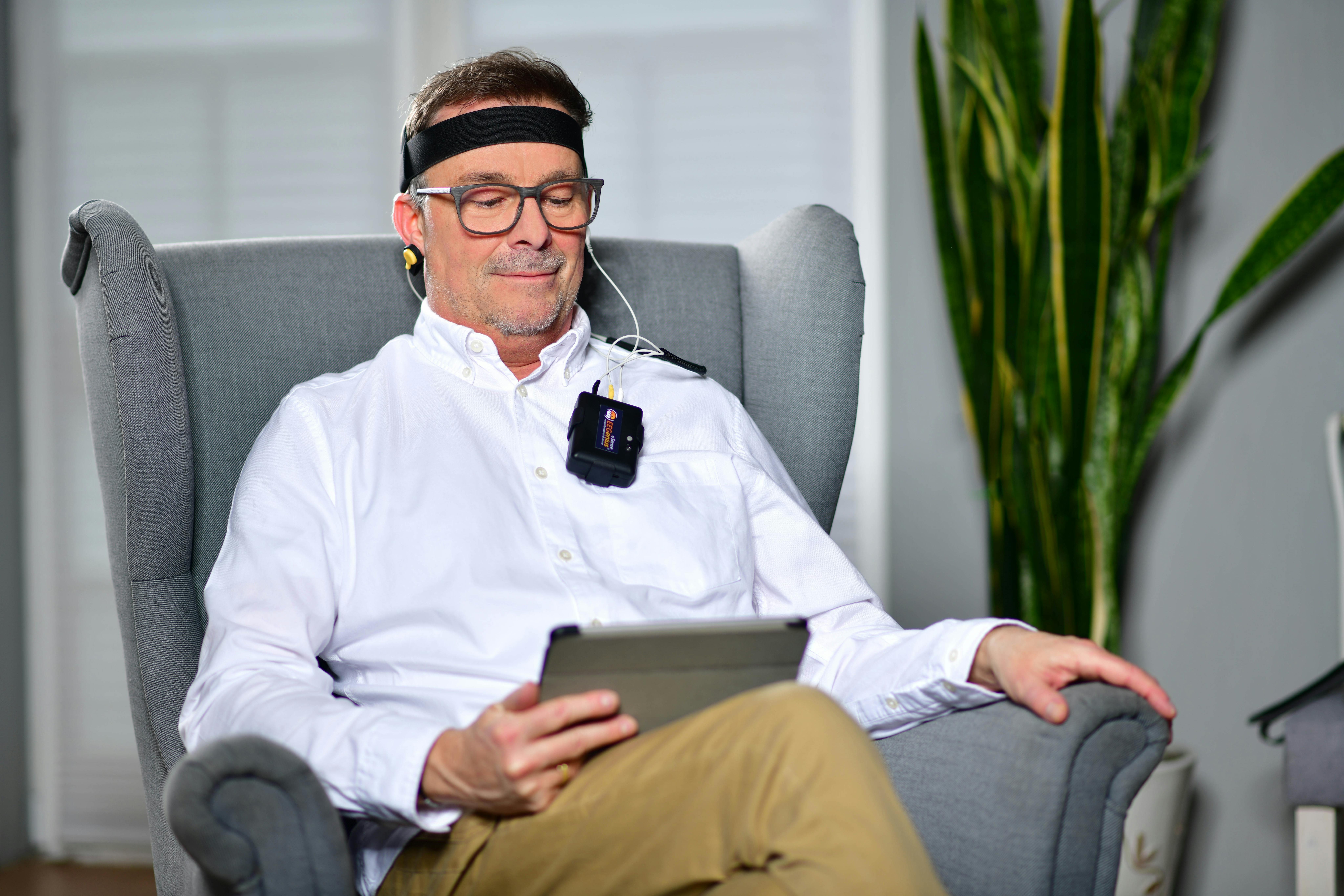
- Biometric monitoring: Heart rate variability, eye-tracking, and even EEG headbands provide objective data about your mental state
- Machine learning algorithms: AI systems identify patterns in your performance data and predict optimal intervention timing
- Adaptive task management: Intelligent scheduling that places demanding cognitive work during your peak mental windows
- Neurofeedback protocols: Real-time information about brain activity that helps you consciously regulate mental states
- Environmental optimization: Automated adjustments to lighting, sound, and digital environments based on task requirements
🎯 How Cognitive Stamina Tech Transforms Your Focus
The practical applications of cognitive stamina technology extend far beyond simple time tracking. These systems fundamentally change how you approach mentally demanding work by creating optimal conditions for sustained concentration.
One of the most powerful features is attention residue reduction. When you switch between tasks, your brain doesn’t immediately shift full processing power to the new activity—residual attention remains stuck on the previous task. Cognitive stamina platforms minimize this effect by structuring your work into properly bounded focus sessions with strategic transition periods.
These technologies also implement the concept of productive cognitive load management. Not all mental effort is created equal. Intrinsic cognitive load (the inherent difficulty of a task) is necessary for learning, while extraneous load (poorly designed workflows, unnecessary distractions) wastes mental resources without benefit. Smart systems help you maximize valuable cognitive investment while eliminating wasteful mental expenditure.
The Science of Flow State Facilitation
Flow states—those magical periods when work feels effortless and productivity soars—aren’t random occurrences. Cognitive stamina technology helps engineer the specific conditions that trigger flow experiences more consistently.
Research identifies clear prerequisites for flow: appropriately challenging tasks, immediate feedback, clear goals, and freedom from interruptions. Advanced cognitive platforms monitor these variables and actively create flow-conducive environments by adjusting task difficulty, providing performance metrics, and implementing intelligent notification blocking during critical work periods.
The technology also tracks your personal flow patterns. Perhaps you enter flow states most readily between 10 AM and noon, or maybe creative flow comes easier after physical exercise. Once identified, these patterns inform scheduling recommendations that stack the odds in your favor for achieving those productive mental states.
💡 Practical Strategies for Maximizing Cognitive Tech Benefits
Adopting cognitive stamina technology delivers best results when combined with complementary practices that support brain health and mental performance. Technology amplifies good habits but can’t entirely compensate for fundamentally poor cognitive hygiene.
Start by establishing a baseline assessment of your current cognitive patterns. Most platforms include diagnostic phases that measure your focus duration, distraction susceptibility, peak performance windows, and recovery patterns. This data-driven approach removes guesswork and provides personalized starting points for improvement.
Implement structured work blocks aligned with your ultradian rhythms—the natural 90-120 minute cycles your brain follows throughout the day. Cognitive stamina technology excels at managing these cycles, prompting strategic breaks before mental fatigue accumulates to performance-degrading levels.
Building Your Cognitive Training Routine
Just as physical exercise builds muscular stamina, specific mental exercises strengthen cognitive endurance. Modern cognitive platforms incorporate scientifically validated brain training protocols that target working memory, attention control, processing speed, and cognitive flexibility.
Effective cognitive training doesn’t require hours of dedicated practice. Research demonstrates that consistent 15-20 minute sessions, performed 4-5 times weekly, produce measurable improvements in cognitive stamina within 4-6 weeks. The key is consistency rather than intensity, and cognitive tech platforms excel at maintaining adherence through intelligent scheduling and progress tracking.
Progressive overload principles apply to mental training just as they do to physical conditioning. Cognitive stamina technology automatically adjusts challenge levels, ensuring exercises remain in your optimal difficulty zone—hard enough to stimulate adaptation but not so difficult that they cause frustration and abandonment.
📊 Measuring Success: Cognitive Performance Metrics That Matter
One of cognitive stamina technology’s greatest advantages is objective performance measurement. Rather than relying on subjective feelings about productivity, these systems provide concrete data revealing your true cognitive capabilities and how they evolve over time.
Key metrics include sustained attention span (how long you maintain focus before first distraction), attention restoration rate (how quickly you refocus after interruptions), cognitive throughput (quality work output per time unit), and decision fatigue curves (how decision quality changes throughout your day).
Advanced platforms also track higher-order metrics like creative problem-solving capacity, strategic thinking quality, and learning efficiency. These measures provide insights into not just how long you can work, but how well you think during those working periods.
| Metric Category | What It Measures | Why It Matters |
|---|---|---|
| Focus Duration | Uninterrupted concentration time | Baseline cognitive stamina indicator |
| Task Switching Cost | Performance degradation from context changes | Reveals multitasking impact |
| Recovery Efficiency | Mental restoration during breaks | Optimizes rest period effectiveness |
| Peak Performance Windows | Times of maximum cognitive capacity | Guides strategic task scheduling |
| Cognitive Load Balance | Productive vs. wasteful mental effort | Identifies efficiency improvement opportunities |
🚀 Advanced Applications Across Different Domains
Cognitive stamina technology benefits extend across diverse professional and personal contexts. Knowledge workers facing back-to-back meetings and complex analysis tasks use these systems to preserve mental sharpness throughout demanding schedules.
Students leverage cognitive platforms to optimize study sessions, spacing learning for maximum retention while avoiding the mental exhaustion that comes from marathon cramming sessions. The technology helps identify optimal review timing based on individual memory consolidation patterns.
Creative professionals find particular value in tools that facilitate divergent thinking states while managing the cognitive transitions between creative exploration and analytical refinement. The technology helps maintain the delicate mental balance required for sustained creative output.
Corporate Cognitive Performance Programs
Forward-thinking organizations now implement cognitive stamina technology at enterprise scale, recognizing that employee mental performance directly impacts business outcomes. These programs move beyond wellness initiatives to become core productivity infrastructure.
Corporate implementations provide aggregated analytics that identify systemic cognitive drains—poorly scheduled meetings, excessive collaboration overhead, or insufficient recovery time built into project timelines. Organizations can then redesign workflows based on neurological realities rather than arbitrary conventions.
The return on investment proves substantial. Companies report 15-30% improvements in complex problem-solving output, reduced decision-making errors, enhanced innovation metrics, and decreased burnout rates among employees using cognitive stamina platforms consistently.
🔬 The Neuroscience Foundation Behind the Technology
Understanding the brain science underlying cognitive stamina technology helps you use these tools more effectively. Your prefrontal cortex—the brain region responsible for executive functions like planning, decision-making, and attention control—operates like a battery with finite capacity.
Each decision you make, temptation you resist, and distraction you overcome depletes this neural battery. This phenomenon, called ego depletion, explains why decision quality deteriorates throughout the day and why maintaining focus becomes progressively harder during extended work sessions.
Cognitive stamina technology works by implementing evidence-based strategies that either conserve mental resources or facilitate their restoration. Strategic breaks that include specific activities (brief walks, meditation, or even strategic daydreaming) accelerate neural recovery through mechanisms involving dopamine regulation and default mode network activation.
Neuroplasticity and Cognitive Capacity Building
Perhaps the most exciting aspect of cognitive stamina technology is its ability to facilitate genuine neuroplastic changes—actual structural and functional brain adaptations that permanently increase your cognitive capacity.
Consistent use of cognitive training protocols strengthens neural pathways involved in attention regulation, working memory, and cognitive control. Brain imaging studies reveal measurable increases in gray matter density and white matter integrity in regions associated with these functions after 8-12 weeks of targeted cognitive training.
This means cognitive stamina technology doesn’t just help you manage your current mental resources more efficiently—it actually expands your underlying cognitive capacity over time. You’re not just learning to work smarter; you’re building a more powerful cognitive engine.
🌟 Selecting the Right Cognitive Stamina Platform
The cognitive technology market has expanded rapidly, offering diverse options with varying features, scientific validation, and user experiences. Choosing the right platform requires evaluating several key factors aligned with your specific needs and working style.
Consider the scientific foundation behind each platform. Look for technologies developed in collaboration with neuroscientists and backed by peer-reviewed research demonstrating actual cognitive improvements. Marketing claims should be supported by transparent methodology and measurable outcomes.
Evaluate the user experience carefully. Even the most scientifically sophisticated platform delivers no benefit if it’s too complicated to use consistently. The best cognitive tools integrate seamlessly into existing workflows rather than requiring dramatic behavior changes or constant manual input.
Integration and Ecosystem Considerations
Modern work spans multiple applications and devices, so cognitive stamina technology should integrate with your existing digital ecosystem. Look for platforms that connect with calendar systems, task managers, communication tools, and other productivity software you already use.
Data privacy deserves serious consideration when selecting cognitive technology. These platforms collect intimate information about your mental patterns and work habits. Ensure providers implement robust security measures and transparent data policies that give you control over your cognitive information.
Consider starting with platforms offering trial periods that let you assess real-world effectiveness before committing. Personal response to cognitive technologies varies, so direct experience provides the most reliable evaluation method.
⚙️ Implementing Your Cognitive Enhancement System
Successful cognitive stamina technology adoption follows a structured implementation approach rather than trying to change everything overnight. Begin with baseline measurement to establish current performance levels and identify primary improvement opportunities.
Introduce interventions gradually, allowing time for habit formation and neurological adaptation. Starting with comprehensive monitoring plus one active intervention (like optimized break scheduling) creates sustainable change foundations. Add additional features progressively as initial changes become automatic.
Track not just performance metrics but also subjective experience factors like work satisfaction, mental fatigue levels, and perceived cognitive clarity. The goal isn’t maximum productivity at all costs—it’s sustainable high performance that preserves long-term brain health and work-life balance.
Overcoming Common Implementation Challenges
Many people initially struggle with cognitive platform recommendations that conflict with established work patterns. Your habitual 3-hour focused work marathons might feel productive, but data may reveal significant quality degradation after 90 minutes that you hadn’t consciously noticed.
Trust the objective data, especially during early implementation phases. Your subjective sense of productivity doesn’t always align with actual output quality. Cognitive stamina technology provides external measurement that reveals patterns your conscious mind misses.
Expect an adjustment period lasting 2-4 weeks as you adapt to new work rhythms. Initial productivity might actually decrease temporarily as your brain adjusts to different patterns. This represents a worthwhile investment that yields substantial long-term returns.

🎓 The Future of Cognitive Enhancement Technology
Emerging developments promise even more powerful cognitive stamina tools. Next-generation platforms will incorporate advanced brain-computer interfaces providing direct neural feedback with unprecedented precision and minimal invasiveness.
Artificial intelligence capabilities continue advancing, enabling predictive cognitive assistance that anticipates your mental needs before you consciously recognize them. These systems will automatically configure optimal work environments, suggest strategic breaks at precisely the right moments, and even provide real-time cognitive state adjustments.
Integration with augmented reality will create immersive cognitive enhancement environments that leverage spatial computing and environmental design principles to maximize focus and minimize cognitive friction. The boundary between digital assistance and consciousness itself will continue blurring in fascinating ways.
As cognitive stamina technology matures, it’s becoming clear that optimizing mental performance represents one of the highest-leverage investments you can make. Your cognitive capacity underlies every aspect of professional success and personal achievement. Tools that genuinely enhance this fundamental capability deliver compounding returns across all life domains.
The technology exists today to dramatically improve your focus, extend your mental endurance, and unlock cognitive performance levels you might have thought beyond your natural capacity. The question isn’t whether cognitive stamina technology works—extensive research confirms its effectiveness. The question is whether you’ll harness these tools to unleash your mental power and achieve the productivity breakthroughs waiting on the other side of optimized cognitive performance.