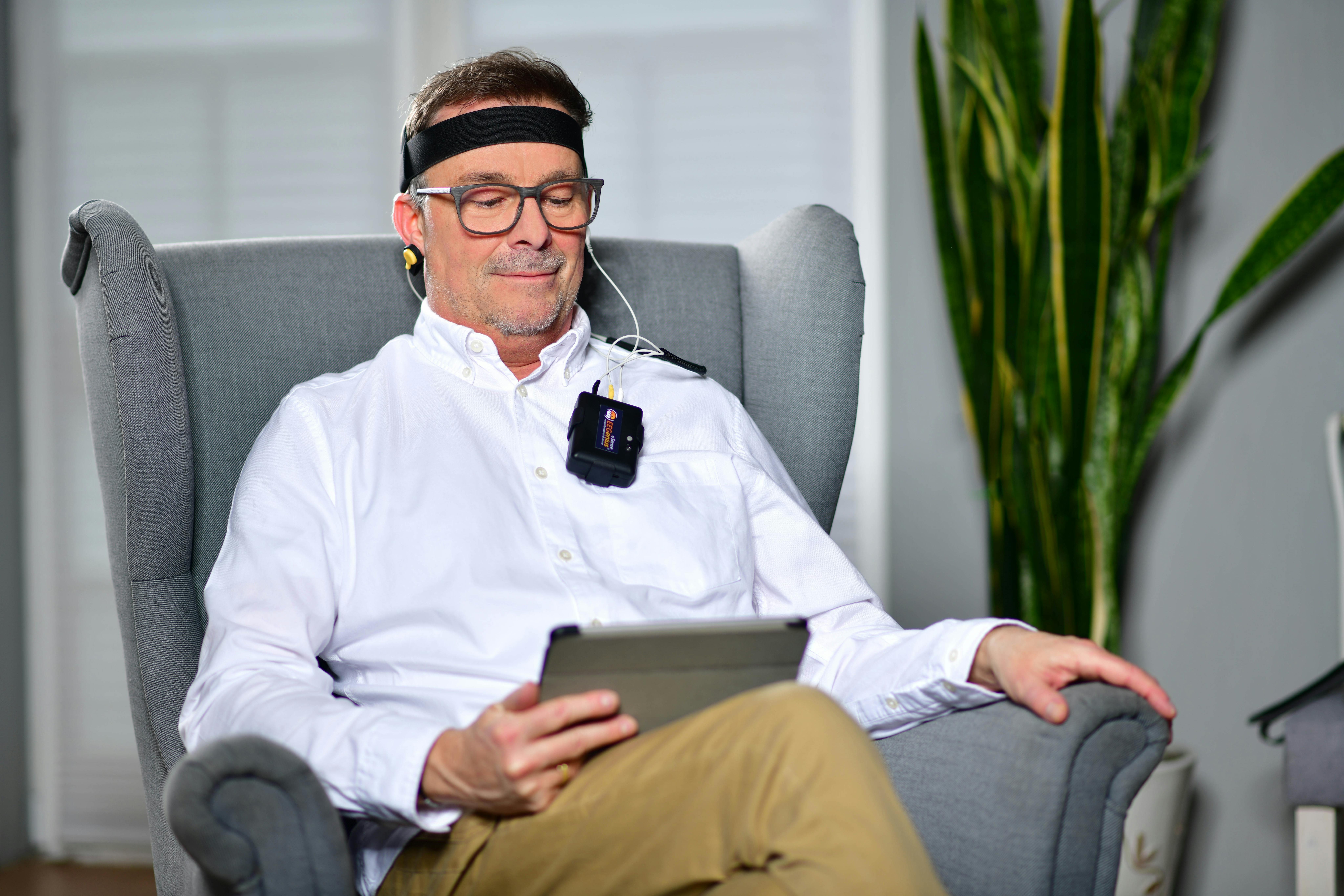
Adaptive cognitive development represents a transformative approach to maximizing human potential, enabling individuals to reach unprecedented levels of performance across personal and professional domains.

In today’s rapidly evolving world, the ability to adapt, learn, and grow has become more crucial than ever. We’re no longer operating in environments where static knowledge and fixed skillsets guarantee success. Instead, we need brains that can flex, adjust, and optimize themselves continuously. This is where adaptive cognitive development emerges as a game-changing framework for peak performance.
Understanding how our cognitive abilities can be shaped, enhanced, and directed toward specific outcomes opens doors to extraordinary achievements. Whether you’re an athlete seeking competitive advantage, a professional aiming for career advancement, or simply someone committed to personal growth, adaptive cognitive development offers a scientifically-grounded pathway to unlock capabilities you may not have known existed.
🧠 What Makes Cognitive Development “Adaptive”?
Traditional approaches to cognitive enhancement often focus on isolated skills or static training methods. Adaptive cognitive development differs fundamentally by recognizing that our brains operate as dynamic systems that respond to environmental demands, personal goals, and contextual challenges.
The “adaptive” component refers to several interconnected principles. First, it acknowledges neuroplasticity—the brain’s remarkable ability to reorganize itself by forming new neural connections throughout life. Second, it emphasizes personalization, recognizing that optimal development strategies vary significantly between individuals. Third, it incorporates feedback loops that allow for continuous refinement based on performance outcomes.
This approach moves beyond the outdated notion that intelligence and cognitive capacity are fixed traits determined at birth. Instead, research in neuroscience, psychology, and performance science consistently demonstrates that targeted interventions can produce measurable improvements in cognitive function at any age.
The Neuroscience Foundation: How Adaptation Drives Performance
At the cellular level, adaptive cognitive development leverages specific mechanisms that enhance brain function. When we engage in challenging cognitive tasks, our brains respond by strengthening existing neural pathways and creating new connections. This process, called synaptogenesis, forms the biological foundation for improved mental performance.
Myelin, the protective sheath surrounding nerve fibers, also plays a critical role. Repeated practice of specific cognitive skills increases myelination, which accelerates signal transmission between neurons. This biological adaptation translates directly into faster processing speeds, improved reaction times, and enhanced decision-making capabilities.
Furthermore, adaptive training stimulates the production of brain-derived neurotrophic factor (BDNF), a protein that supports neuron survival and encourages the growth of new neurons and synapses. Higher BDNF levels correlate with improved learning capacity, memory consolidation, and cognitive resilience—all essential components of peak performance.
The Prefrontal Cortex: Command Center for Peak Performance
The prefrontal cortex, responsible for executive functions like planning, decision-making, and impulse control, responds particularly well to adaptive training. Strengthening this brain region enhances your ability to maintain focus under pressure, regulate emotions during challenging situations, and execute complex strategies with precision.
Research shows that targeted cognitive exercises can increase gray matter density in the prefrontal cortex within weeks. This structural change corresponds with measurable improvements in working memory capacity, attentional control, and cognitive flexibility—capabilities that separate good performers from exceptional ones.
Core Pillars of Adaptive Cognitive Development 💪
Implementing an effective adaptive cognitive development program requires understanding and integrating several fundamental pillars. Each component contributes uniquely to the overall enhancement of mental performance.
Progressive Challenge and Optimal Difficulty
Growth occurs at the edge of your current capabilities. Adaptive cognitive development employs the principle of progressive overload, similar to physical training. Tasks must be challenging enough to stimulate adaptation but not so difficult that they cause frustration or disengagement.
This sweet spot, often called the “zone of proximal development,” varies individually and changes as skills improve. Effective adaptive programs continuously calibrate difficulty levels based on performance metrics, ensuring sustained growth without plateaus or burnout.
Metacognitive Awareness and Self-Regulation
Understanding how you think—metacognition—amplifies the effectiveness of any cognitive development program. When you can observe your mental processes objectively, identify patterns in your performance, and adjust strategies accordingly, you accelerate improvement dramatically.
Self-regulation skills enable you to manage cognitive resources efficiently, allocate attention strategically, and maintain optimal mental states during demanding tasks. Developing these capabilities transforms you from a passive recipient of training into an active architect of your cognitive enhancement.
Multi-Domain Integration
Peak cognitive performance doesn’t exist in isolation. Adaptive development programs recognize the interconnected nature of physical health, emotional regulation, sleep quality, nutrition, and mental training. Optimizing across these domains creates synergistic effects that amplify results beyond what any single intervention could achieve.
For example, aerobic exercise increases cerebral blood flow and stimulates neurogenesis in the hippocampus, directly supporting cognitive functions. Similarly, stress management techniques protect against cortisol-induced cognitive impairment, preserving your mental performance capacity during high-pressure situations.
Practical Strategies for Implementing Adaptive Cognitive Development 🎯
Understanding principles matters little without effective implementation. Here are evidence-based strategies you can begin incorporating immediately to unlock your cognitive potential.
Deliberate Practice with Immediate Feedback
Generic mental exercises provide minimal benefits. Instead, focus on deliberate practice—highly structured activities designed specifically to improve performance in targeted domains. The key differentiator is immediate, accurate feedback that allows you to adjust your approach in real-time.
Whether you’re developing strategic thinking, enhancing memory capacity, or improving decision-making speed, ensure your training includes mechanisms for instant performance feedback. This creates the tight learning loops necessary for rapid skill acquisition and cognitive adaptation.
Cognitive Cross-Training
Just as athletes benefit from varied physical training, cognitive development accelerates when you challenge your brain across multiple dimensions. Alternate between tasks requiring different cognitive functions: spatial reasoning, verbal processing, mathematical thinking, creative problem-solving, and pattern recognition.
This variety prevents adaptation plateaus, maintains engagement, and develops cognitive flexibility—the ability to switch smoothly between different mental frameworks. In our complex world, this flexibility often determines who thrives and who merely survives professionally.
Strategic Rest and Recovery
Adaptation occurs during recovery periods, not during training itself. Sleep, particularly deep sleep and REM sleep, consolidates learning, prunes unnecessary neural connections, and clears metabolic waste products from brain tissue. Without adequate recovery, even the best training program produces diminishing returns.
Incorporate strategic rest intervals into your cognitive development schedule. Brief mental breaks during intensive work sessions, regular meditation practice, and prioritizing sleep quality all contribute significantly to your adaptive capacity and ultimate performance ceiling.
Measuring Progress: The Data-Driven Approach to Cognitive Enhancement 📊
What gets measured gets improved. Adaptive cognitive development requires systematic tracking of relevant metrics to guide program adjustments and document progress. Without objective measurement, you’re navigating blind, relying on unreliable subjective impressions.
Consider tracking these key performance indicators:
- Processing speed: How quickly you complete standardized cognitive tasks
- Working memory capacity: The amount of information you can hold and manipulate simultaneously
- Attentional stamina: Duration you can maintain focus before performance degrades
- Error rates: Frequency of mistakes during complex cognitive tasks
- Recovery time: How quickly mental performance rebounds after intensive cognitive effort
- Transfer effects: Whether improvements in training tasks translate to real-world performance
Many digital platforms now offer sophisticated cognitive assessment tools that track these metrics automatically, providing detailed analytics about your cognitive profile and development trajectory. These technologies make personalized adaptive training accessible to anyone committed to cognitive enhancement.
Domain-Specific Applications: Tailoring Adaptation to Your Goals 🚀
While general cognitive enhancement provides broad benefits, targeting development toward specific performance domains produces more dramatic results in those areas. The adaptive approach allows customization based on your unique objectives.
Athletic and Competitive Performance
Elite athletes increasingly recognize that physical training alone doesn’t guarantee victory. Mental performance—decision-making under pressure, anticipatory awareness, emotional regulation, and strategic thinking—often determines outcomes at the highest levels.
Adaptive cognitive training for athletes focuses on sport-specific mental skills: enhancing reaction times, improving pattern recognition for tactical situations, developing stress resilience, and strengthening the mental endurance required during extended competitions.
Professional and Career Excellence
In knowledge work environments, cognitive capacity directly determines productivity and advancement potential. Adaptive development programs can target professional-relevant skills: complex problem-solving, strategic planning, creative innovation, effective communication, and leadership decision-making.
Professionals who systematically develop these cognitive capabilities gain significant competitive advantages, completing higher-quality work in less time while maintaining better work-life balance and experiencing less burnout.
Academic Achievement and Learning Acceleration
Students benefit enormously from adaptive cognitive development focused on learning efficiency. Enhanced working memory, improved concentration, faster information processing, and better memory consolidation all contribute to academic success while reducing study time requirements.
Beyond immediate academic performance, developing meta-learning skills—learning how to learn—provides lifelong advantages in our rapidly changing world where continuous skill acquisition becomes increasingly necessary.
Overcoming Common Obstacles to Cognitive Development 💡
Despite clear benefits, many people struggle to implement effective cognitive development programs. Understanding common obstacles helps you navigate these challenges successfully.
The Consistency Challenge
Cognitive adaptation requires consistent practice over extended periods. Unlike dramatic physical transformations visible within weeks, cognitive improvements often accumulate gradually, making it harder to maintain motivation during early stages.
Combat this by establishing non-negotiable routines, tracking small wins to maintain motivation, and connecting cognitive development to meaningful long-term goals. Even brief daily practice produces superior results compared to sporadic intensive sessions.
The Transfer Problem
Not all cognitive training transfers effectively to real-world performance. Some brain training games improve only at those specific games without enhancing general cognitive function or practical capabilities.
Maximize transfer by selecting training tasks structurally similar to your target performance domain. The closer the cognitive demands of training match real-world requirements, the more effectively improvements will translate into practical benefits.
Individual Variability in Response
People respond differently to identical training protocols due to genetic factors, baseline cognitive profiles, lifestyle variables, and training history. What works optimally for one person may produce minimal results for another.
This variability necessitates the “adaptive” component of adaptive cognitive development. Regular assessment, willingness to adjust approaches based on results, and patience during the optimization process all contribute to finding your personal pathway to peak cognitive performance.
The Future Landscape: Emerging Technologies and Methodologies 🔮
Cognitive enhancement stands at an exciting frontier where neuroscience, technology, and performance science converge. Several emerging approaches promise to accelerate adaptive cognitive development significantly.
Neurofeedback technologies allow real-time monitoring of brain activity, enabling you to learn conscious control over specific brainwave patterns associated with optimal performance states. This direct approach to brain training shows promise for rapid enhancement of focus, relaxation, and cognitive efficiency.
Transcranial stimulation techniques, while still primarily research tools, demonstrate potential for accelerating neuroplastic changes when combined with cognitive training. These non-invasive methods may eventually provide accessible augmentation for natural learning processes.
Artificial intelligence-driven training platforms represent perhaps the most immediately accessible advancement. These systems analyze your performance patterns in real-time, automatically adjusting difficulty levels, selecting optimal training sequences, and identifying your specific cognitive strengths and weaknesses with unprecedented precision.
Building Your Personal Cognitive Development Blueprint 📝
Armed with understanding of adaptive cognitive development principles, you can now construct a personalized enhancement program. Begin by honestly assessing your current cognitive profile—identifying strengths to leverage and weaknesses to address.
Define clear, specific performance goals. “Think better” lacks the specificity required for effective program design. Instead, target measurable outcomes: “Improve working memory capacity by 25%,” “Reduce decision-making time under pressure by 30%,” or “Extend focused work sessions from 45 to 90 minutes.”
Select training modalities aligned with your goals and preferences. Options include structured cognitive training programs, mindfulness meditation, strategic games like chess, learning new skills that challenge you cognitively, or specialized applications designed for specific cognitive domains.
Establish a realistic schedule that balances training intensity with recovery. Start conservatively—perhaps 15-20 minutes of focused cognitive training daily—and gradually increase as your capacity develops. Remember that consistency trumps intensity for long-term cognitive development.
Implement systematic measurement to track progress and guide adjustments. Monthly assessments provide sufficient data to evaluate effectiveness without creating burdensome overhead. Use these insights to refine your approach continuously, staying true to the adaptive philosophy.

Sustaining Peak Cognitive Performance Across the Lifespan 🌟
Perhaps the most exciting aspect of adaptive cognitive development is its applicability across all life stages. Unlike physical performance, which inevitably declines with age, cognitive function can be maintained and even enhanced well into later decades through appropriate interventions.
Research on cognitive aging reveals that decline isn’t inevitable—it largely reflects disuse rather than biological necessity. Individuals who maintain cognitively challenging activities, continue learning new skills, and practice adaptive cognitive training can preserve mental sharpness indefinitely.
The key lies in understanding that cognitive maintenance requires ongoing effort, much like physical fitness. You can’t “bank” cognitive capacity through intensive training then coast indefinitely. Instead, view cognitive development as a lifelong practice that evolves with your changing needs and circumstances.
By integrating adaptive cognitive development into your lifestyle permanently rather than treating it as a temporary project, you create compound benefits that accumulate over time. The person who invests in cognitive enhancement for decades doesn’t just maintain function—they continue expanding capabilities, experiencing continuous growth rather than gradual decline.
The power of adaptive cognitive development lies not in any single technique or technology, but in the fundamental recognition that your brain remains malleable, responsive, and capable of extraordinary growth throughout your life. By understanding the principles that drive cognitive adaptation and implementing evidence-based strategies consistently, you unlock potential that might otherwise remain dormant. This isn’t about becoming superhuman—it’s about becoming fully human, expressing the remarkable capacities for learning, adaptation, and performance excellence that reside within each of us. Your journey toward peak cognitive performance begins with a single decision: to view your mental capabilities not as fixed limitations but as dynamic potentials awaiting development.