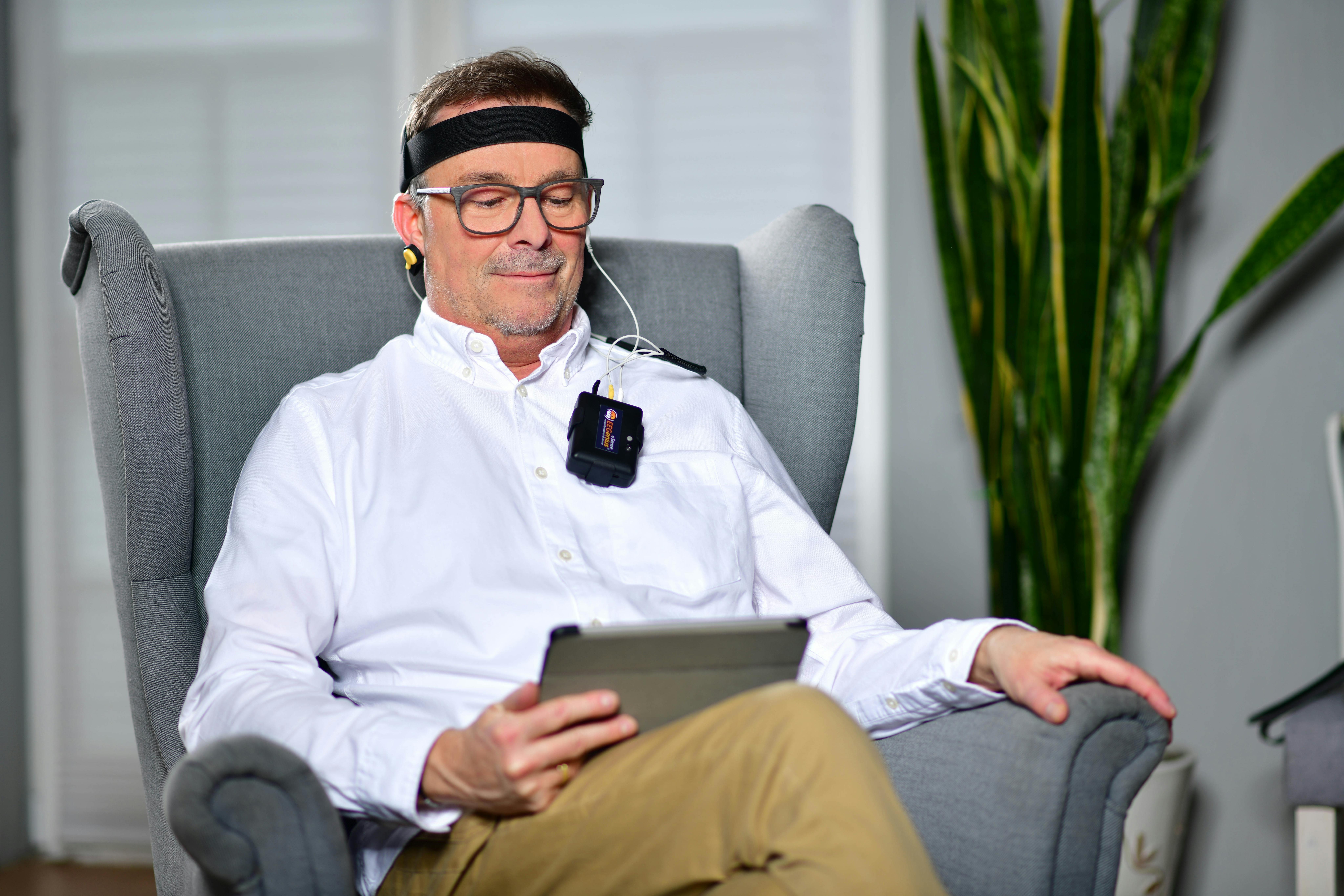
Fear and anxiety affect millions of people worldwide, limiting their potential and diminishing their quality of life. Interactive exposure therapy offers a scientifically-backed, accessible solution to help individuals systematically confront and overcome their deepest fears.

🧠 Understanding the Science Behind Exposure Therapy
Exposure therapy has been a cornerstone of cognitive-behavioral treatment for decades, built on the fundamental principle that avoidance strengthens fear while controlled confrontation diminishes it. When we consistently avoid what frightens us, our brains never get the opportunity to learn that these situations are often less dangerous than perceived.
The mechanism works through a process called habituation. When you’re repeatedly exposed to a fear-inducing stimulus in a safe environment, your anxiety response gradually decreases. Your nervous system learns to recalibrate its threat assessment, recognizing that the anticipated catastrophe doesn’t materialize. This neurological rewiring happens at both conscious and subconscious levels, creating lasting change.
Traditional exposure therapy required in-person sessions with trained therapists, often involving real-world scenarios that were expensive, time-consuming, and logistically challenging to arrange. A person with a fear of flying might need to visit airports repeatedly, while someone with social anxiety would need to engage in uncomfortable social situations under therapeutic supervision.
🚀 The Interactive Revolution: Technology Meets Psychology
Interactive exposure therapy represents a quantum leap forward in accessibility and effectiveness. By leveraging virtual reality, augmented reality, mobile applications, and gamification principles, this approach democratizes access to evidence-based treatment while maintaining therapeutic efficacy.
Modern interactive platforms create immersive environments where users can confront their fears at their own pace, in the privacy of their homes, and at a fraction of the cost of traditional therapy. These digital solutions don’t replace human therapists but rather extend their reach and provide supplementary tools for between-session practice.
The interactive component is crucial because passive observation doesn’t produce the same results. Active engagement—making decisions, responding to stimuli, and experiencing consequences within the therapeutic environment—strengthens the learning process and accelerates habituation.
Key Advantages of Interactive Approaches
- Complete control over the intensity and duration of exposure
- Immediate availability without scheduling constraints
- Privacy and reduced stigma compared to public exposures
- Reproducibility of scenarios that would be difficult to recreate in reality
- Real-time progress tracking and data collection
- Cost-effectiveness for long-term treatment
- Ability to pause or stop exposure when anxiety becomes overwhelming
🎮 How Interactive Exposure Therapy Works in Practice
The process typically begins with a comprehensive assessment of your specific fears, their severity, and your anxiety triggers. Interactive platforms use this information to create personalized treatment hierarchies—graduated steps that progressively challenge you without overwhelming your coping capacity.
For someone with agoraphobia, the hierarchy might start with viewing images of crowded spaces, progress to watching videos of busy marketplaces, advance to virtual reality simulations of navigating crowds, and eventually support real-world exposure exercises. Each step is mastered before moving to the next, ensuring consistent progress without traumatic setbacks.
Many interactive programs incorporate biofeedback technology, monitoring your heart rate, skin conductance, or breathing patterns. This physiological data helps you recognize when anxiety is escalating and provides objective evidence of habituation as your body’s stress response diminishes over repeated exposures.
The Role of Gamification in Therapeutic Success
Gamification elements—points, achievements, progress bars, and rewards—might seem frivolous, but they serve important psychological functions. They provide motivation during difficult moments, mark tangible progress, and create positive associations with the therapeutic process. When confronting fears becomes linked with achievement and growth rather than just discomfort, adherence improves dramatically.
These game-like features also activate the brain’s reward systems, releasing dopamine that counters the stress response and creates more positive emotional memories associated with exposure experiences. This neurochemical shift helps reprogram your emotional reactions over time.
📱 Specialized Applications for Different Phobias and Anxieties
Interactive exposure therapy isn’t a one-size-fits-all solution. Different fears require different approaches, and specialized applications have emerged to address specific anxiety disorders with targeted interventions.
Social Anxiety and Performance Fears
For social anxiety, interactive platforms simulate challenging social situations like public speaking, job interviews, or casual conversations. Users can practice in virtual environments where they deliver presentations to digital audiences, navigate networking events, or handle awkward social scenarios with branching dialogue options that mirror real interactions.
These simulations allow for repeated practice without the social consequences of real-world mistakes, building confidence and competence simultaneously. The interactive nature means you’re not just watching—you’re actively participating, making eye contact with virtual characters, responding to questions, and experiencing the full anxiety-provoking situation.
Specific Phobias: Heights, Flying, Animals, and More
Virtual reality excels in treating specific phobias because it can recreate scenarios that are difficult, expensive, or impossible to arrange in traditional therapy. A person with acrophobia can experience standing on virtual skyscraper ledges, walking across suspension bridges, or looking down from mountain cliffs—all while standing safely in their living room.
For fear of flying, comprehensive programs simulate every stage of air travel, from booking tickets and packing to airport navigation, boarding, takeoff, turbulence, and landing. The immersive quality of modern VR creates genuine anxiety responses that can be therapeutically processed, making the eventual real flight less intimidating.
Generalized Anxiety and Panic Disorder
Interactive apps for generalized anxiety focus less on specific scenarios and more on teaching anxiety management skills through engaging exercises. These might include interactive breathing techniques with visual feedback, progressive muscle relaxation guided by responsive animations, or cognitive restructuring exercises presented as problem-solving games.
Some applications use ambient sensors to detect early signs of panic attacks and intervene with grounding techniques, distraction exercises, or calming sensory experiences. This real-time responsiveness provides support precisely when it’s most needed.
🔬 Evidence and Effectiveness: What Research Shows
Skepticism about digital mental health interventions is understandable, but a growing body of research validates the effectiveness of interactive exposure therapy. Multiple randomized controlled trials have demonstrated that virtual reality exposure therapy produces outcomes comparable to traditional in-person exposure therapy for various anxiety disorders.
A meta-analysis published in the Journal of Anxiety Disorders examined 30 studies involving over 1,000 participants and found that VR exposure therapy significantly reduced anxiety symptoms across different phobia types, with effect sizes similar to conventional exposure therapy. Importantly, these benefits persisted at follow-up assessments months after treatment completion.
Research also indicates that some individuals actually prefer interactive approaches over real-world exposure, particularly in early treatment stages. This preference translates to better treatment adherence—people are more likely to complete their therapeutic exercises when they have control over timing, intensity, and environment.
Understanding the Limitations
While interactive exposure therapy offers tremendous advantages, it’s not appropriate for everyone or every situation. Severe anxiety disorders, co-occurring conditions like substance abuse or psychosis, and complex trauma histories often require comprehensive in-person treatment with qualified professionals.
The technology also isn’t perfect. Some people experience cybersickness from VR headsets, and the digital nature of exposure may not generalize perfectly to real-world situations for everyone. Interactive therapy works best as part of a broader treatment approach that may include traditional therapy, medication when appropriate, and lifestyle modifications.
💡 Getting Started: Practical Steps to Begin Your Journey
Embarking on interactive exposure therapy requires preparation and the right mindset. Success depends not just on the technology but on your commitment to the process and willingness to experience temporary discomfort for long-term relief.
Selecting the Right Platform or Application
Not all interactive exposure therapy tools are created equal. When evaluating options, consider whether the program is evidence-based, developed with input from licensed mental health professionals, and includes features like graduated exposure hierarchies and progress tracking.
Read reviews from actual users, particularly those with anxiety profiles similar to yours. Look for applications that offer customization options so you can tailor the experience to your specific triggers and comfort level. Free trials are valuable for testing whether the interface and approach resonate with you before committing financially.
For comprehensive anxiety management with interactive exposure components, applications like Rootd and DARE offer evidence-based approaches to panic attacks and anxiety, combining exposure techniques with cognitive-behavioral strategies in user-friendly formats.
Creating Your Personalized Exposure Hierarchy
Whether your chosen platform generates this automatically or you create it manually, having a clear hierarchy is essential. List situations related to your fear from least to most anxiety-provoking, rating each on a scale of 0-10 for anticipated distress.
Start with exposures rated around 3-4—challenging enough to provoke mild anxiety but manageable enough that you won’t feel overwhelmed. Repeat each level until your anxiety rating drops by at least half before progressing. This gradual approach prevents the sensitization that can occur when people push themselves too hard too quickly.
Establishing a Consistent Practice Routine
Consistency matters more than intensity in exposure therapy. Brief, regular sessions—even 10-15 minutes daily—produce better results than sporadic marathon sessions. Schedule your practice sessions at times when you’re relatively calm and have privacy, not during high-stress periods or when you’re likely to be interrupted.
Track your progress meticulously. Note your anxiety levels before, during, and after each exposure, along with any insights, triggers, or coping strategies you discover. This data helps you recognize patterns and provides tangible evidence of improvement during moments of doubt.
🌟 Maximizing Success: Advanced Strategies and Tips
Once you’ve established a basic practice routine, several advanced techniques can accelerate your progress and deepen the therapeutic benefits of interactive exposure therapy.
Combining Multiple Therapeutic Modalities
Interactive exposure therapy works even better when integrated with other evidence-based approaches. Cognitive restructuring—identifying and challenging anxiety-producing thoughts—complements exposure by addressing the interpretations that fuel fear. Before an exposure session, examine your catastrophic predictions and prepare realistic counter-statements.
Mindfulness practices enhance your ability to observe anxiety without reacting to it, creating psychological distance from uncomfortable sensations. Many people find that a brief mindfulness meditation before exposure sessions helps them approach the experience with greater equanimity.
Leveraging Social Support
While interactive therapy offers privacy advantages, complete isolation isn’t ideal. Share your goals with trusted friends or family members who can provide encouragement and accountability. Some people benefit from having a support person present during exposure sessions, offering reassurance without enabling avoidance.
Online communities dedicated to anxiety recovery can also provide valuable peer support. Connecting with others facing similar challenges reduces the sense of isolation and provides practical tips from those further along in their recovery journey.
Preventing Relapse and Maintaining Gains
Recovery from anxiety isn’t linear, and temporary setbacks are normal rather than indicative of failure. When you experience a spike in anxiety or a return of avoidance behaviors, recognize it as an opportunity to reinforce your skills rather than evidence that treatment isn’t working.
Continue periodic exposure sessions even after your anxiety has significantly decreased. These “booster” sessions maintain your tolerance and prevent the gradual return of avoidance patterns. Many people integrate exposure practice into their lifestyle, viewing it as mental health maintenance similar to physical exercise.
🎯 Transforming Your Relationship with Fear
The ultimate goal of interactive exposure therapy extends beyond merely reducing anxiety symptoms. The process fundamentally transforms how you relate to fear itself, shifting from viewing anxiety as a dangerous enemy to understanding it as an uncomfortable but manageable experience.
This metacognitive shift—changing how you think about your thinking—represents the deepest level of therapeutic change. You develop confidence not because you’ll never feel anxious again, but because you know you can handle anxiety when it arises. This self-efficacy generalizes beyond your specific phobia, influencing how you approach challenges throughout life.
People who successfully complete exposure therapy often report that the skills they developed—distress tolerance, realistic thinking, gradual challenge progression—become valuable tools applicable to many life situations. The courage cultivated in confronting fears translates to professional risks, relationship vulnerability, and personal growth opportunities.

🌈 Your Path Forward: Taking the First Step Today
Fear may have held you back for years, but it doesn’t have to define your future. Interactive exposure therapy offers an accessible, evidence-based pathway to reclaim the life anxiety has stolen. The technology removes many traditional barriers—cost, scheduling, stigma—making effective treatment available to anyone with a smartphone or computer and the willingness to face their fears.
Begin where you are with what you have. Download an evidence-based application, connect with online resources, or consult with a therapist who incorporates interactive tools into their practice. The first exposure is always the hardest, but each subsequent step becomes progressively easier as your brain learns what your anxious thoughts haven’t yet accepted: you’re stronger than your fears.
Remember that seeking help represents strength, not weakness. Millions of people worldwide struggle with anxiety disorders, and most experience significant improvement with appropriate treatment. Interactive exposure therapy isn’t a magic cure, but it’s a powerful tool that, combined with persistence and courage, can help you build the fear-free life you deserve.
Your anxiety has been your companion long enough. It’s time to show it the door, one gradual, interactive, empowering exposure at a time. The revolution in anxiety treatment is here—will you be part of it? 🚀