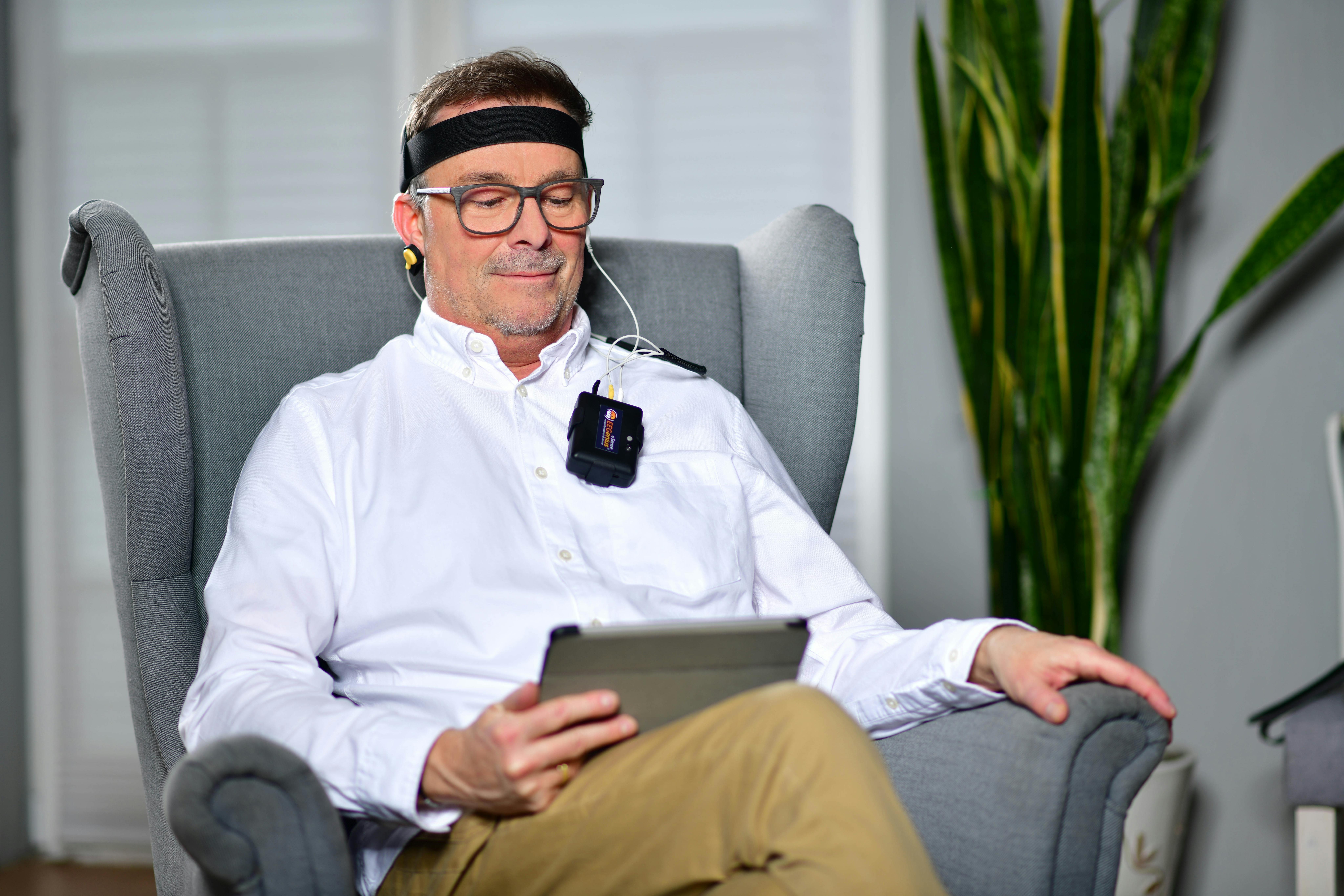
Mental wellness is no longer a luxury—it’s a necessity. Adaptive mental wellness apps are revolutionizing how we approach self-care, making professional-grade support accessible right from your smartphone.

🧠 The Digital Revolution in Mental Health Care
The landscape of mental health support has transformed dramatically over the past decade. Traditional therapy, while invaluable, comes with barriers: high costs, scheduling difficulties, geographical limitations, and the stigma some still associate with seeking help. Adaptive mental wellness apps have emerged as powerful complementary tools, offering personalized support that adjusts to your unique needs, circumstances, and progress.
These intelligent applications use sophisticated algorithms, evidence-based therapeutic techniques, and often artificial intelligence to create customized wellness journeys. They track your mood patterns, identify triggers, suggest coping strategies, and evolve alongside your mental health journey. The “adaptive” element means these apps learn from your interactions, becoming more effective the more you use them.
Understanding Adaptive Technology in Mental Wellness
Adaptive mental wellness apps distinguish themselves from basic meditation or journaling apps through their responsive, personalized approach. They don’t offer one-size-fits-all solutions but instead adjust their recommendations based on your input, behavior patterns, and progress metrics.
This technology typically incorporates several key features: mood tracking that identifies patterns over time, cognitive behavioral therapy (CBT) exercises tailored to your specific challenges, mindfulness practices adjusted to your experience level, and crisis support that escalates when needed. Some advanced platforms even use machine learning to predict potential mental health dips before they become severe.
The Science Behind Adaptive Mental Health Technology
Research consistently validates the effectiveness of digital mental health interventions. Studies published in journals like JAMA Psychiatry and The Lancet Digital Health demonstrate that app-based interventions can significantly reduce symptoms of anxiety, depression, and stress when used consistently. The adaptive component enhances these outcomes by ensuring interventions remain relevant and engaging.
The psychological principle of personalization drives better engagement and outcomes. When users feel an app “understands” their unique situation, they’re more likely to maintain consistent use—the key factor in achieving lasting mental health improvements.
Top Adaptive Mental Wellness Apps Transforming Lives
Headspace: Your Personal Meditation Coach 🧘
Headspace has evolved from a simple meditation app into a comprehensive mental wellness platform. Its adaptive features include personalized meditation recommendations based on your stress levels, sleep quality, and stated goals. The app tracks your progress and adjusts session lengths and difficulty to match your developing practice.
What sets Headspace apart is its integration of mindfulness into daily activities. The app learns when you typically meditate, which topics resonate most, and how long you can realistically commit. It then delivers timely reminders and appropriate content—whether you need a quick two-minute breathing exercise during a stressful workday or a longer wind-down session before bed.
Calm: Adaptive Sleep and Anxiety Management
Calm positions itself as the ultimate tool for better sleep and reduced anxiety. Its adaptive intelligence monitors your sleep patterns through integration with health tracking devices and adjusts its sleep story recommendations, soundscapes, and breathing exercises accordingly.
The app’s daily recommendations change based on factors like time of day, your recent mood check-ins, and usage patterns. If you’re experiencing heightened anxiety, Calm prioritizes grounding exercises and emergency calm sessions. During periods of stability, it focuses on maintenance practices and skill-building content.
Sanvello: Clinical-Grade CBT in Your Pocket
Sanvello brings clinical psychology directly to users through evidence-based cognitive behavioral therapy techniques. The app’s adaptive engine assesses your mental health status through validated screening tools and creates a personalized treatment plan that evolves with your progress.
Daily mood tracking reveals patterns that might otherwise go unnoticed. The app identifies correlations between your activities, thoughts, and emotional states, providing insights that empower you to make informed choices. Sanvello’s adaptive lessons and tools target your specific symptoms, whether that’s social anxiety, depression, or stress management.
Wysa: AI-Powered Emotional Support
Wysa represents the cutting edge of adaptive mental wellness technology with its AI-driven conversational support. The app’s chatbot uses natural language processing to understand your concerns and respond with appropriate therapeutic techniques drawn from CBT, dialectical behavior therapy (DBT), and mindfulness practices.
What makes Wysa particularly adaptive is its ability to remember previous conversations and track your emotional journey over time. It recognizes recurring themes in your struggles and proactively suggests relevant exercises. The app also knows when to escalate support, directing users to human professionals when AI support isn’t sufficient.
💪 Maximizing the Benefits of Adaptive Mental Wellness Apps
Consistency Creates Transformation
The adaptive features of these apps become more effective with regular use. Sporadic engagement limits the app’s ability to learn your patterns and provide truly personalized support. Commit to daily check-ins, even if brief, to allow the technology to work optimally.
Set realistic goals initially. Start with five minutes daily rather than ambitious hour-long sessions you’re unlikely to maintain. These apps reward consistency over intensity, and their adaptive algorithms will gradually encourage you to expand your practice as you build capacity.
Honest Input Yields Better Outcomes
Adaptive apps rely on accurate data to personalize your experience. Be truthful in mood tracking and symptom reporting. The algorithms aren’t judgmental—they’re designed to help, and they can only do so effectively when given authentic information about your mental state.
Many users initially present an overly positive picture, consciously or unconsciously. Recognizing that honest vulnerability enables better support is crucial. These apps typically include privacy protections that keep your data secure, allowing you to be candid without concern.
Integration with Professional Mental Health Care
Adaptive mental wellness apps work best as part of a comprehensive mental health strategy, not as complete replacements for professional care. For individuals with serious mental health conditions, these apps serve as valuable supplements to therapy and medication management.
Many mental health professionals now recommend specific apps to clients between sessions. The apps provide continuity of care, helping patients practice skills learned in therapy and giving clinicians valuable data about symptom patterns and treatment progress.
When Apps Aren’t Enough 🚨
Recognize the limitations of app-based support. If you’re experiencing suicidal thoughts, severe depression that impairs daily functioning, or symptoms of serious mental illness, professional intervention is essential. Many adaptive apps include crisis resources and will direct you toward appropriate emergency services when necessary.
Apps excel at managing mild to moderate symptoms, building resilience, and maintaining mental wellness. They’re preventive tools and symptom management aids, but they cannot replace the nuanced understanding and personalized treatment planning a trained therapist provides.
Privacy and Data Security Considerations 🔒
When entrusting an app with intimate details about your mental health, understanding privacy policies is paramount. Reputable adaptive wellness apps encrypt your data, maintain strict privacy standards, and clearly communicate how information is used.
Review the app’s data practices before committing. Look for apps compliant with healthcare privacy regulations like HIPAA (in the United States) or GDPR (in Europe). Check whether the app shares or sells data to third parties—reputable providers typically don’t.
Consider what data the app collects. Beyond mood entries, many apps request access to location, health data from other apps, and usage patterns. Ensure you’re comfortable with this data collection and understand its purpose in personalizing your experience.
The Future of Adaptive Mental Wellness Technology
The mental wellness app landscape continues evolving rapidly. Emerging technologies promise even more sophisticated adaptive capabilities. Predictive analytics will anticipate mental health challenges before they manifest, allowing preventive intervention. Integration with wearable devices will provide physiological data—heart rate variability, sleep architecture, activity levels—creating a comprehensive picture of mental wellness.
Virtual reality integration represents another frontier. VR-based exposure therapy for phobias and anxiety disorders, delivered through adaptive apps, shows remarkable promise in early research. These immersive experiences, personalized through adaptive algorithms, could make certain therapeutic interventions more accessible and effective.
Personalization Reaching New Heights
Future adaptive apps will likely incorporate genetic information, personality assessments, and cultural factors to create even more tailored interventions. Imagine an app that understands not just your symptoms but your biological predispositions, learning style preferences, and cultural context—delivering support that resonates on every level.
The integration of social support features, connecting users with similar experiences while maintaining privacy, will enhance the effectiveness of these tools. Adaptive algorithms could facilitate peer matching and community building, addressing the isolation that often accompanies mental health struggles.
Building Your Personal Mental Wellness Toolkit 🛠️
No single app addresses all mental wellness needs. Consider building a personalized toolkit combining different apps’ strengths. You might use one app for meditation, another for mood tracking and CBT exercises, and a third for sleep improvement.
Experiment with several options before committing. Most adaptive wellness apps offer free trials or basic free versions. Test the interface, see which therapeutic approach resonates, and evaluate how well the adaptive features meet your needs. The best app is the one you’ll actually use consistently.
Beyond Apps: Holistic Mental Wellness
While adaptive apps are powerful tools, remember they’re one component of holistic mental wellness. Physical exercise, quality sleep, nutritious eating, meaningful social connections, and purposeful activities all contribute significantly to mental health. The most effective adaptive apps recognize this, incorporating reminders and tracking for these lifestyle factors alongside mental health exercises.
View your mental wellness journey as multifaceted. Apps provide structure, guidance, and accountability, but you bring the commitment to change. The adaptive technology responds to your engagement, creating a collaborative partnership toward better mental health.

🌟 Taking Your First Step Toward Better Mental Health
Beginning your journey with adaptive mental wellness apps requires no special preparation—just willingness to invest in yourself. Download one or two highly-rated apps that address your primary concerns, whether that’s anxiety, sleep problems, stress management, or general emotional wellness.
Commit to two weeks of consistent use before evaluating effectiveness. This allows the adaptive features time to learn your patterns and personalize recommendations. Track how you feel, noticing subtle changes in your stress response, sleep quality, or overall mood.
Remember that mental wellness is a journey, not a destination. Progress isn’t always linear—you’ll experience setbacks alongside breakthroughs. Adaptive apps provide support through both, adjusting to meet you wherever you are in your journey. They celebrate your victories and offer compassionate guidance during difficulties.
The mental health revolution is here, accessible through the device in your pocket. These adaptive apps democratize wellness support, making evidence-based interventions available regardless of location, budget, or schedule. By embracing these tools and committing to your mental health, you’re taking a powerful step toward unlocking your full potential and living a more balanced, fulfilling life.
Your healthier mind awaits—the technology is ready when you are. Start small, stay consistent, and trust the process. The adaptive intelligence of these remarkable apps will meet you where you are and guide you toward where you want to be, one mindful moment at a time.