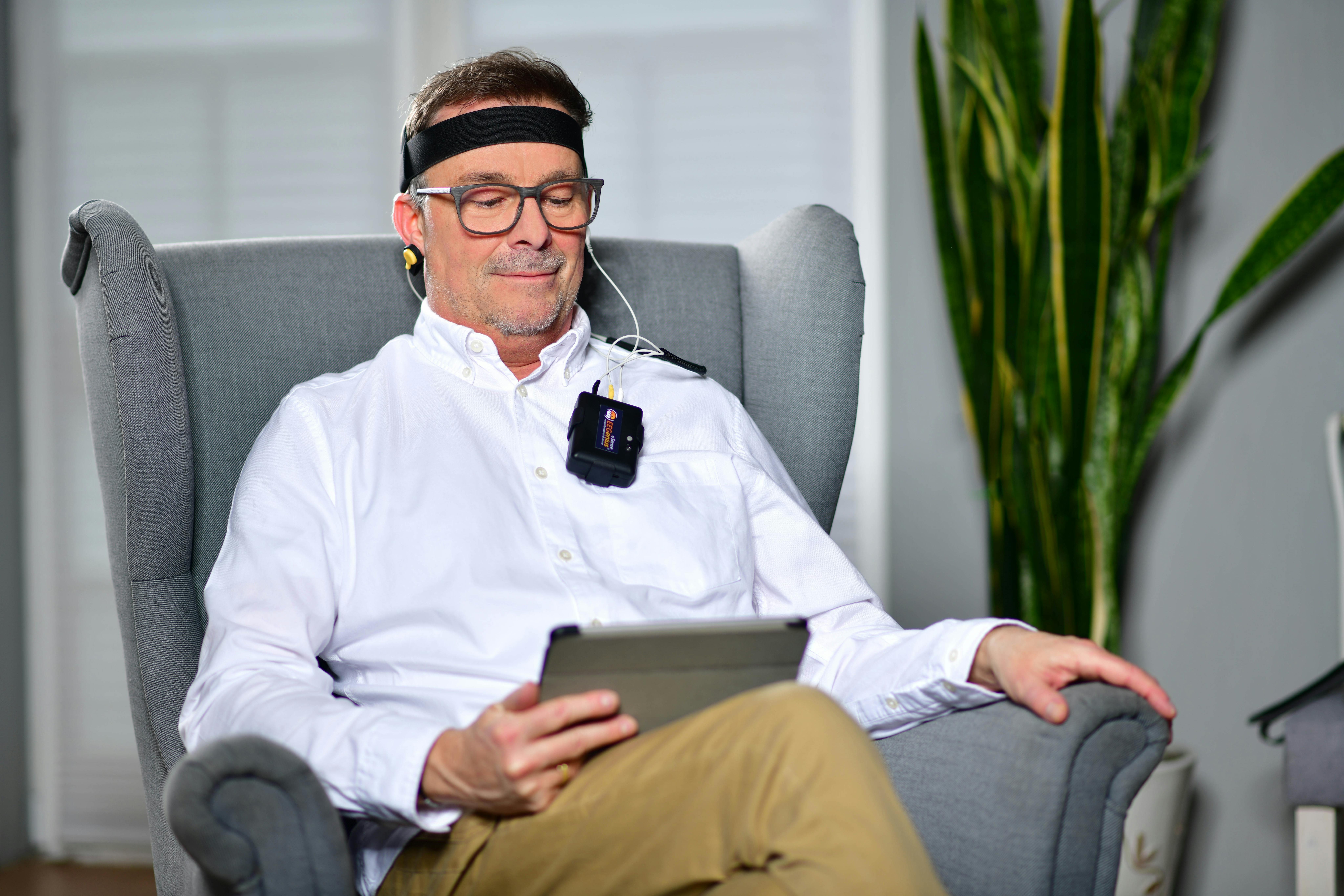
Virtual reality is revolutionizing mental health care by creating immersive, personalized therapy environments that adapt to individual needs and therapeutic goals.

🌟 The Dawn of Digital Therapeutic Spaces
Imagine stepping through a doorway into a world designed specifically for your emotional well-being. A space where the walls reflect your inner calm, where every element exists to support your mental health journey, and where therapy transcends traditional boundaries. This isn’t science fiction—it’s the emerging reality of personalized virtual therapy rooms.
The convergence of virtual reality technology and mental health treatment has created unprecedented opportunities for therapeutic intervention. These digital sanctuaries offer more than escapism; they provide controlled, safe environments where individuals can confront anxieties, process trauma, and develop coping strategies under professional guidance.
Mental health professionals are increasingly recognizing that traditional therapy settings don’t work for everyone. Some patients feel intimidated by clinical environments, while others struggle with accessibility issues. Virtual therapy rooms address these challenges by bringing personalized therapeutic environments directly to users, whether they’re at home, in a clinic, or anywhere with VR capability.
Understanding Personalized Virtual Therapy Rooms
Virtual therapy rooms are immersive digital environments designed to facilitate mental health treatment through customizable, interactive experiences. Unlike generic meditation apps or standard video therapy sessions, these spaces leverage virtual reality’s unique capacity to create presence—the feeling of truly being somewhere else.
Each virtual oasis can be tailored to reflect therapeutic objectives. For someone working through social anxiety, the room might gradually introduce social scenarios. For trauma processing, it could provide a safe container where memories can be explored without overwhelming the nervous system. For stress management, it might transform into a peaceful natural setting that promotes relaxation and mindfulness.
The personalization extends beyond visual aesthetics. These environments can incorporate soundscapes, guided visualizations, breathing exercises, and even biofeedback integration. Advanced systems track physiological responses like heart rate variability, allowing the virtual environment to adapt in real-time to the user’s emotional state.
The Technology Behind the Transformation
Modern VR therapy rooms rely on sophisticated technology that has only recently become accessible to consumers and mental health practitioners. High-resolution headsets create visual immersion, while spatial audio technology ensures that sound feels three-dimensional and realistic. Haptic feedback devices can add tactile dimensions to the experience.
Artificial intelligence plays an increasingly important role in these systems. Machine learning algorithms analyze user interactions, preferences, and therapeutic progress to continuously refine the virtual environment. Some platforms incorporate natural language processing, allowing users to verbally interact with their environment or virtual therapeutic guides.
Cloud-based architectures enable therapists to design and modify patient environments remotely, adjusting elements between sessions based on clinical progress. This collaborative approach ensures that the virtual space evolves alongside the therapeutic relationship, maintaining relevance and effectiveness throughout treatment.
🧘 Designing Your Personal Mental Wellness Sanctuary
The process of creating a personalized therapy room begins with assessment. Mental health professionals work with clients to understand their therapeutic goals, triggers, comfort zones, and aspirations. This information becomes the foundation for environmental design decisions.
Visual elements form the first layer of personalization. Some individuals find peace in natural settings—forests, beaches, mountains—while others prefer abstract, minimalist spaces. Color psychology plays a significant role; cool blues and greens typically promote calm, while warmer tones can energize or comfort depending on context.
Spatial configuration matters tremendously. Individuals who feel anxious in enclosed spaces benefit from open, expansive environments with clear sightlines. Those overwhelmed by agoraphobia might start with smaller, more contained spaces that gradually expand as confidence builds.
Elements of Effective Virtual Therapy Spaces
Successful virtual therapy rooms incorporate several key elements that support mental wellness:
- Safety indicators: Visual cues that remind users they’re in a controlled, safe environment
- Grounding objects: Elements users can interact with to maintain connection with the present moment
- Progress visualization: Representations of therapeutic achievements and growth over time
- Customizable intensity: Adjustable environmental factors that can increase or decrease stimulation
- Exit strategies: Clear, always-accessible ways to pause or leave the experience
- Therapeutic tools: Integrated resources like breathing guides, journaling prompts, or cognitive restructuring exercises
The most effective virtual therapy rooms balance immersion with agency. Users need to feel transported while maintaining awareness that they control their experience. This balance proves particularly crucial when working with anxiety disorders or PTSD, where loss of control can trigger distress.
Clinical Applications Across Mental Health Conditions
Virtual therapy rooms demonstrate remarkable versatility across various mental health conditions. Each application leverages the technology’s strengths while addressing specific therapeutic needs.
Anxiety and Phobia Treatment
Exposure therapy has long been recognized as effective for treating phobias and anxiety disorders, but traditional approaches face practical limitations. Virtual therapy rooms solve this problem by creating controlled exposure scenarios that would be difficult, expensive, or impossible to arrange in the real world.
Someone with fear of flying can experience graduated exposure to airport environments and flight simulations without leaving their therapist’s office. Spider phobia can be addressed through increasingly realistic spider encounters where size, proximity, and movement are precisely controlled. Social anxiety treatment can incorporate customizable social scenarios with adjustable crowd sizes and interaction demands.
The key advantage lies in repeatability and control. Patients can revisit scenarios multiple times, building confidence through successful experiences. When anxiety escalates, the environment can immediately adjust or the experience can pause, preventing overwhelming situations that might set back therapeutic progress.
Depression and Mood Disorders
For individuals experiencing depression, virtual therapy rooms offer environments specifically designed to counter negative thought patterns and promote behavioral activation. Bright, uplifting spaces with achievement-oriented activities can motivate engagement when real-world tasks feel insurmountable.
These environments can facilitate behavioral experiments that challenge depressive thinking. A person convinced they can’t enjoy anything might explore a virtual art gallery, garden, or interactive music space. The low-stakes nature of virtual exploration reduces the perceived risk of disappointment while providing genuine opportunities for positive experiences.
Virtual nature experiences show particular promise for mood disorders. Research consistently demonstrates that nature exposure improves mood and reduces rumination. Virtual therapy rooms can provide immersive nature experiences regardless of geography, season, mobility limitations, or weather conditions.
Trauma Recovery and PTSD
Trauma-focused therapy requires exceptional care in creating safe containers for painful memory processing. Virtual therapy rooms excel in this domain by providing controlled environments where traumatic material can be approached gradually, with clear boundaries and therapist support.
The virtual setting can represent a safe space entirely separate from trauma contexts—a healing sanctuary where difficult work happens but that remains distinct from both the traumatic event and everyday life. This psychological containment helps prevent therapy material from overwhelming daily functioning.
For trauma processing itself, virtual environments can recreate trauma contexts in carefully controlled ways, allowing for exposure-based processing when clinically appropriate. The therapist can adjust environmental elements in real-time based on client distress levels, maintaining the therapeutic window where processing can occur without retraumatization.
💡 The Neuroscience Supporting Virtual Healing
Understanding why virtual therapy rooms work requires examining how our brains process virtual experiences. Neuroscience research reveals that immersive virtual reality activates many of the same neural pathways as real-world experiences.
The brain’s sense of presence in VR environments isn’t merely intellectual acceptance; it involves genuine emotional and physiological responses. When someone stands on a virtual cliff edge, their body produces real fear responses—increased heart rate, stress hormone release, activation of threat-detection neural networks. This authentic response makes virtual experiences therapeutically powerful.
Mirror neurons—brain cells that activate both when we perform actions and when we observe others performing them—engage during virtual experiences. This engagement facilitates learning new coping behaviors and emotional responses through virtual modeling and practice.
Neuroplasticity and Virtual Therapeutic Experiences
Neuroplasticity, the brain’s capacity to form new neural connections, underlies all therapeutic change. Virtual therapy rooms leverage this capacity by providing repeated, controlled experiences that strengthen adaptive neural pathways while weakening maladaptive ones.
Each successful exposure to a feared situation in VR strengthens neural networks associated with safety and coping. Repeated experiences of calm in personalized relaxation environments reinforce neural patterns supporting self-regulation. Over time, these virtual experiences contribute to lasting changes in how the brain responds to real-world situations.
The emotional engagement that VR produces enhances memory consolidation, making therapeutic insights more likely to stick. Information learned in emotionally charged states—positive or challenging—creates stronger memories than neutral learning contexts. Virtual therapy rooms can intentionally modulate emotional intensity to optimize learning without overwhelming the system.
Practical Implementation: From Concept to Healing
Implementing virtual therapy rooms in mental health treatment requires thoughtful planning and appropriate resources. The process typically begins with selecting suitable hardware and software platforms aligned with therapeutic goals and budget constraints.
Entry-level implementation might use smartphone-based VR systems with cardboard or affordable headsets. Mid-range options include standalone VR headsets that don’t require external computers. Professional therapeutic settings increasingly adopt high-end systems with room-scale tracking and advanced haptic feedback.
Several platforms now specialize in therapeutic VR applications. TRIPP offers immersive experiences designed specifically for mental wellness, combining mindfulness practices with psychedelic-inspired visuals. Psious provides exposure therapy environments for treating anxiety disorders and phobias. Limbix creates VR-based mental health treatments for adolescents and young adults.
Integrating Virtual Therapy Into Treatment Plans
Virtual therapy rooms work best as part of comprehensive treatment approaches rather than standalone interventions. Effective integration typically involves several considerations:
- Clinical assessment: Determining which clients might benefit from VR-enhanced therapy
- Contraindication screening: Identifying conditions that might make VR inadvisable (certain vestibular disorders, seizure disorders, severe dissociative symptoms)
- Informed consent: Ensuring clients understand what virtual therapy involves and consent to this approach
- Gradual introduction: Starting with brief, simple experiences before progressing to longer, more complex sessions
- Integration with other modalities: Combining VR experiences with traditional talk therapy, medication management, and other interventions
- Progress monitoring: Tracking outcomes to ensure virtual therapy contributes positively to treatment goals
Training for mental health professionals using these tools remains essential. Understanding VR technology, recognizing when clients become overwhelmed in virtual environments, and troubleshooting technical issues all require specific skills beyond traditional clinical training.
🔮 Future Horizons in Virtual Mental Health Care
The field of virtual therapy rooms continues evolving rapidly, with emerging technologies promising even more sophisticated and personalized experiences. Several developments appear particularly promising for mental health applications.
Brain-computer interfaces may soon allow virtual environments to respond directly to neural activity, adjusting in real-time to brain states associated with anxiety, relaxation, or focused attention. This direct neural feedback could dramatically enhance therapeutic effectiveness.
Artificial intelligence will likely become more sophisticated in personalizing environments, perhaps eventually creating unique therapeutic scenarios tailored to individual needs without explicit programming. AI therapist avatars might provide guided support within virtual spaces, though human clinician oversight would remain essential for ethical practice.
Social VR and Group Therapy Applications
Emerging social VR platforms enable multiple users to share virtual spaces simultaneously, opening possibilities for group therapy, support groups, and peer support networks. These applications could address social isolation while providing therapeutic community experiences.
Imagine support groups for specific conditions meeting in customized virtual environments designed to promote safety and connection. Social skills training could occur in graduated social scenarios with peer support. Family therapy might utilize shared virtual spaces that facilitate difficult conversations through creative environmental metaphors.
The potential for global connection means individuals with rare conditions or specialized therapeutic needs could connect with others facing similar challenges regardless of geographic location. This democratization of access could transform mental health support for underserved populations.
🌈 Addressing Concerns and Limitations
Despite their promise, virtual therapy rooms face legitimate concerns requiring thoughtful consideration. Accessibility remains a significant challenge. VR equipment costs, though decreasing, still present barriers for many individuals. Technical literacy requirements may exclude older adults or others less comfortable with technology.
Some individuals experience VR-induced discomfort—motion sickness, eye strain, or disorientation. While hardware improvements continue reducing these effects, they haven’t disappeared entirely. Careful screening and gradual exposure can minimize these issues but won’t eliminate them for all users.
Privacy and data security concerns deserve serious attention. Virtual therapy platforms collect sensitive information about mental health symptoms, treatment progress, and physiological responses. Robust data protection measures, transparent privacy policies, and compliance with healthcare regulations like HIPAA remain essential.
The Irreplaceable Human Element
Perhaps the most important consideration involves maintaining the human therapeutic relationship at the center of treatment. Technology should enhance rather than replace the connection between therapist and client. Virtual environments work best as tools within therapeutic relationships, not as substitutes for human empathy, clinical judgment, and interpersonal attunement.
The risk of over-relying on technology exists. Mental health treatment requires flexibility, creativity, and responsiveness that current AI cannot replicate. Virtual therapy rooms should augment clinical skills, providing new tools for achieving therapeutic goals while respecting the essential humanity of the healing process.
Making Virtual Wellness Accessible Today
For individuals interested in exploring virtual therapy rooms, several pathways exist depending on resources and therapeutic needs. Those working with therapists should discuss whether VR-enhanced treatment might benefit their specific situations.
Some mental health professionals already incorporate VR into their practices, particularly those specializing in anxiety disorders, phobias, or trauma treatment. Psychology Today and similar directories increasingly allow filtering for therapists offering VR-based interventions.
For self-directed exploration, several consumer applications provide therapeutic virtual experiences. While not substitutes for professional treatment when needed, these tools can supplement therapy or support general wellness. Starting with shorter sessions and gradually increasing duration helps avoid overwhelming experiences.
Community mental health centers and university counseling services increasingly adopt VR technologies, sometimes offering these services at reduced costs. Research studies investigating virtual therapy effectiveness often provide free treatment to participants, creating opportunities for accessing these interventions while contributing to scientific knowledge.

✨ Stepping Into Your Personal Healing Journey
The emergence of personalized virtual therapy rooms represents more than technological innovation—it reflects evolving understanding of how healing happens and what individuals need to support their mental wellness journeys. These digital sanctuaries offer unprecedented opportunities for customization, accessibility, and therapeutic effectiveness.
As virtual reality technology becomes more sophisticated and affordable, these personalized environments will likely become standard components of mental health treatment across diverse populations and conditions. The future of therapy isn’t choosing between traditional approaches and virtual innovations but thoughtfully integrating both to serve individual needs.
Your virtual oasis awaits—a space designed specifically for your healing, reflecting your needs, and supporting your growth toward mental wellness. Whether you’re addressing specific mental health challenges or seeking to enhance overall well-being, personalized virtual therapy rooms offer promising pathways forward in your journey toward psychological health and resilience.
The question isn’t whether virtual therapy will transform mental health care—it already has. The question is how we’ll harness these powerful tools ethically, effectively, and compassionately to support human flourishing in an increasingly complex world. The door to your personalized healing space stands open, inviting you to step inside and discover what becomes possible when technology and therapeutic wisdom combine in service of your mental wellness.