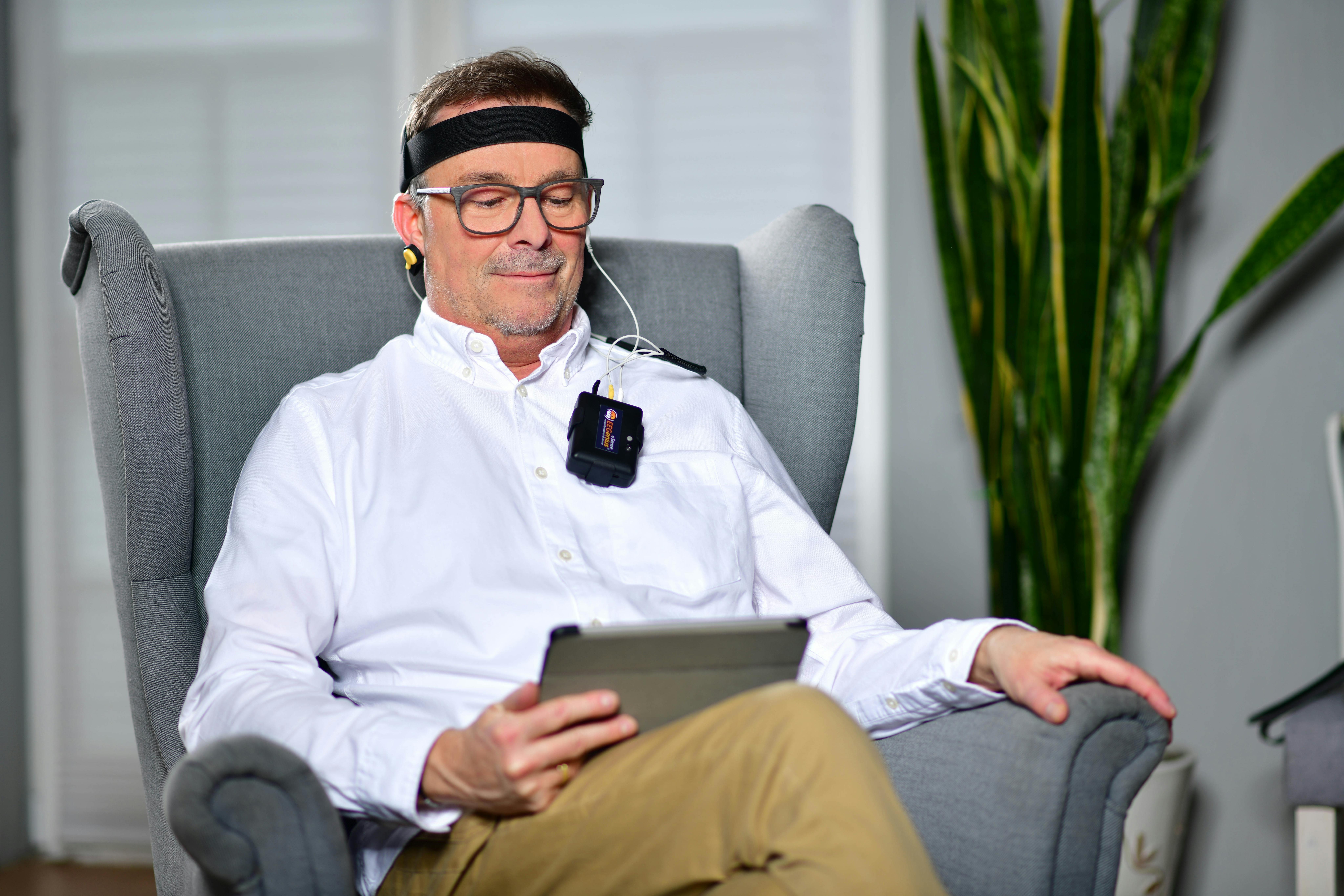
Next-generation simulation technology is transforming therapy practices worldwide, offering unprecedented opportunities to refine clinical skills and deliver superior client outcomes in mental health care.

🚀 The Digital Revolution Reshaping Mental Health Practice
The landscape of therapeutic intervention has evolved dramatically over the past decade. Mental health professionals now face increasingly complex client presentations, demanding ethical considerations, and the need for evidence-based interventions that produce measurable results. Traditional training methods, while valuable, often fall short in preparing therapists for the nuanced, real-world scenarios they encounter daily.
Simulation technology has emerged as a game-changing solution, bridging the gap between theoretical knowledge and practical application. This innovative approach allows therapists to practice difficult conversations, test intervention strategies, and develop clinical judgment in a safe, controlled environment before applying these skills with actual clients.
The integration of virtual reality, artificial intelligence, and immersive simulation platforms into therapeutic training represents more than just technological advancement—it signifies a fundamental shift in how we conceptualize professional development in mental health care. Therapists who embrace these tools position themselves at the forefront of their profession, equipped with skills that set them apart in an increasingly competitive field.
Understanding Simulation Technology in Therapeutic Contexts
Simulation technology in therapy encompasses a broad range of digital tools designed to replicate real-world clinical scenarios. These technologies create immersive learning experiences that engage multiple senses and cognitive processes, resulting in deeper learning and better skill retention compared to traditional methods.
At its core, therapeutic simulation technology typically includes several key components:
- Virtual reality environments that place therapists in realistic clinical settings
- AI-powered client avatars that respond dynamically to therapeutic interventions
- Real-time feedback systems that analyze communication patterns and therapeutic effectiveness
- Scenario libraries covering diverse client presentations and clinical challenges
- Performance analytics that track skill development over time
These technologies work synergistically to create learning experiences that mirror the complexity of actual therapy sessions while eliminating the risk inherent in practicing new skills on vulnerable clients. The result is a training methodology that accelerates competency development while maintaining the highest ethical standards.
💪 Building Clinical Competence Through Deliberate Practice
One of the most significant advantages of simulation technology lies in its capacity to facilitate deliberate practice—the cornerstone of expertise development in any field. Unlike passive learning or sporadic clinical encounters, simulation platforms enable therapists to repeatedly practice specific skills until they achieve mastery.
Research in skill acquisition consistently demonstrates that expertise requires not just time, but focused, intentional practice with immediate feedback. Simulation technology creates the ideal conditions for this type of learning by allowing therapists to:
Isolate and practice specific therapeutic techniques such as motivational interviewing, cognitive restructuring, or trauma-focused interventions without the pressure of managing an entire session. This targeted approach accelerates skill development in ways that traditional supervision alone cannot achieve.
The technology also enables therapists to experience rare but critical scenarios—such as managing acute suicidal ideation, responding to dissociative episodes, or navigating complex ethical dilemmas—that they might encounter infrequently in practice but must be prepared to handle competently. This preparedness can literally save lives.
Mastering Difficult Conversations and Crisis Situations
Every therapist dreads certain conversations: discussing treatment termination, addressing boundary violations, or delivering difficult diagnoses. Simulation technology provides a risk-free space to practice these challenging interactions repeatedly until confidence and competence replace anxiety and uncertainty.
Crisis intervention scenarios—including acute psychological emergencies—can be practiced until response patterns become second nature. This muscle memory development proves invaluable when real crises occur and therapists must respond quickly and effectively under pressure.
Enhancing Cultural Competence and Reducing Bias
In our increasingly diverse society, cultural competence isn’t optional—it’s essential. Simulation technology offers unique opportunities to develop cross-cultural therapeutic skills by exposing practitioners to virtual clients from varied backgrounds, belief systems, and life experiences.
These simulations can highlight implicit biases and microaggressions that therapists might not recognize in themselves. The non-judgmental feedback from AI systems allows for honest self-reflection and growth without the shame that might inhibit learning in peer supervision contexts.
Advanced platforms can simulate interactions with clients from specific cultural backgrounds, helping therapists understand how cultural factors influence symptom presentation, help-seeking behavior, and treatment engagement. This exposure increases cultural humility and therapeutic effectiveness across diverse populations.
🎯 Empowering Clients Through Technology-Enhanced Therapy
The benefits of simulation technology extend beyond therapist training to directly enhance client care. Therapists who develop superior skills through simulation practice deliver more effective interventions, leading to improved client outcomes and satisfaction.
Additionally, some simulation technologies can be adapted for client use, allowing individuals to practice coping skills, exposure therapy exercises, or social situations in safe virtual environments before attempting them in real life. This application is particularly valuable for anxiety disorders, social phobia, and PTSD treatment.
Accelerating Treatment Progress and Outcomes
When therapists possess refined skills developed through extensive simulation practice, clients benefit from more targeted interventions, fewer therapeutic missteps, and faster progress toward treatment goals. The efficiency gains translate to reduced treatment duration and costs—outcomes that benefit both clients and healthcare systems.
Simulation-trained therapists demonstrate greater confidence and competence, qualities that clients perceive and respond to positively. This therapeutic presence enhances the working alliance, which research consistently identifies as a primary predictor of treatment success across theoretical orientations.
Staying Competitive in the Evolving Mental Health Marketplace
The mental health field grows more competitive annually, with increasing numbers of practitioners entering the market. Therapists who leverage simulation technology distinguish themselves through demonstrable competencies and commitment to cutting-edge professional development.
Many licensing boards and professional organizations now recognize simulation-based training for continuing education credits, acknowledging the superior learning outcomes these methods produce. Early adopters position themselves as innovators and thought leaders within their professional communities.
Furthermore, practices that incorporate simulation technology into training protocols can market this commitment to excellence, attracting clients who value evidence-based care and therapists seeking employment in forward-thinking organizations.
📊 The Evidence Base Supporting Simulation Training
The effectiveness of simulation technology in healthcare education is well-established across medicine, nursing, and allied health professions. Recent research specifically examining mental health applications demonstrates similarly impressive results:
| Outcome Measure | Improvement Rate | Research Finding |
|---|---|---|
| Clinical skill competence | 35-50% increase | Compared to traditional training alone |
| Confidence in crisis management | 60% improvement | Self-reported by simulation participants |
| Cultural competence scores | 40% increase | Measured by standardized assessments |
| Client outcome measures | 25% better results | Among simulation-trained therapists |
These data points underscore the tangible benefits of integrating simulation technology into professional development. The investment yields measurable returns in both skill development and client care quality.
Implementing Simulation Technology in Your Practice
Adopting simulation technology doesn’t require massive infrastructure investments or technical expertise. Numerous accessible platforms now serve mental health professionals at various price points and complexity levels.
Begin by identifying your specific learning objectives. Are you seeking to improve crisis intervention skills? Enhance cultural competence? Master a particular therapeutic modality? Different simulation platforms specialize in various areas, so clarifying your goals ensures you select the most appropriate technology.
Practical Steps for Integration
Start small with pilot programs before committing to extensive implementations. Many vendors offer trial periods or demonstration access, allowing you to evaluate whether a platform meets your needs before investing significantly.
Consider forming simulation practice groups with colleagues. Collaborative learning enhances engagement and provides opportunities for peer feedback and discussion that deepen the learning experience. Group subscriptions also often reduce per-person costs.
Establish regular practice schedules. Like any skill development activity, consistency matters more than intensity. Brief, regular simulation sessions typically produce better outcomes than sporadic intensive practice.
⚡ Overcoming Common Barriers and Concerns
Despite the clear benefits, some therapists hesitate to adopt simulation technology due to concerns about cost, time investment, or technological complexity. These barriers, while understandable, are generally surmountable with proper planning and perspective.
Cost concerns often diminish when simulation technology is viewed as a long-term professional investment rather than an expense. The enhanced skills developed through simulation practice increase earning potential through improved client outcomes, reduced liability risks, and competitive differentiation in the marketplace.
Time investment worries can be addressed through strategic integration of simulation practice into existing professional development routines. Many therapists replace less effective CE activities with simulation practice, maintaining the same time commitment while achieving superior results.
Addressing Technology Anxiety
For therapists uncomfortable with technology, modern simulation platforms prioritize user-friendliness and intuitive interfaces. Most require no more technical skill than using common smartphone applications. Additionally, vendors typically provide comprehensive training and ongoing technical support.
Remember that therapeutic expertise—not technological prowess—remains the foundation of effective practice. Simulation technology serves as a tool to enhance your existing skills, not replace clinical judgment or the human connection that defines therapeutic work.
The Future of Therapy Training and Practice
As simulation technology continues evolving, we can anticipate even more sophisticated and impactful applications. Emerging developments include:
- Haptic feedback systems that add tactile dimensions to virtual interactions
- Biometric integration that monitors therapist stress responses during challenging scenarios
- Advanced AI that creates increasingly realistic and unpredictable client avatars
- Collaborative virtual environments enabling remote group supervision and training
- Personalized learning pathways that adapt to individual therapist development needs
These innovations promise to further revolutionize professional development in mental health care. Therapists who establish comfort and familiarity with current simulation technologies position themselves to seamlessly adopt future advancements as they emerge.
🌟 Transform Your Practice Starting Today
The integration of next-generation simulation technology into therapy practice represents a paradigm shift in professional development and client care. This isn’t a distant future possibility—it’s a present reality that forward-thinking therapists are already leveraging to elevate their practice.
The question isn’t whether simulation technology will transform mental health care, but rather whether you’ll position yourself as an innovator leading this transformation or follow later as these tools become standard practice expectations.
Your clients deserve the most skilled, confident, and culturally competent care possible. You deserve professional development methods that actually work—that produce measurable improvements in your clinical capabilities rather than merely checking boxes for licensing requirements.
Simulation technology delivers on both counts, creating a win-win scenario where enhanced therapist competence directly translates to improved client outcomes. The investment you make in developing your skills through simulation practice pays dividends throughout your career in increased effectiveness, professional satisfaction, and positive impact on the lives you touch.

Making the Commitment to Excellence
Excellence in therapy requires more than good intentions—it demands ongoing skill development, honest self-assessment, and willingness to embrace innovations that enhance our capacity to help others. Simulation technology provides unprecedented opportunities to pursue excellence systematically and measurably.
As you consider integrating simulation technology into your professional development plan, reflect on the therapist you aspire to become. What skills would elevate your practice? What challenging situations do you wish you felt more prepared to handle? What client populations would you serve more effectively with enhanced cultural competence?
Simulation technology offers pathways to achieving these aspirations. The revolution in therapy training has arrived—the only remaining question is whether you’ll join it today or wait until tomorrow. Your future clients are counting on you to make the choice that best serves their needs and maximizes their chances for healing and growth.
The tools exist. The evidence supports their effectiveness. The only missing ingredient is your commitment to leveraging these powerful technologies to transform your practice and elevate the care you provide. That transformation begins with a single decision—the decision to embrace innovation, pursue excellence, and position yourself at the forefront of the mental health profession’s exciting future. 🎯