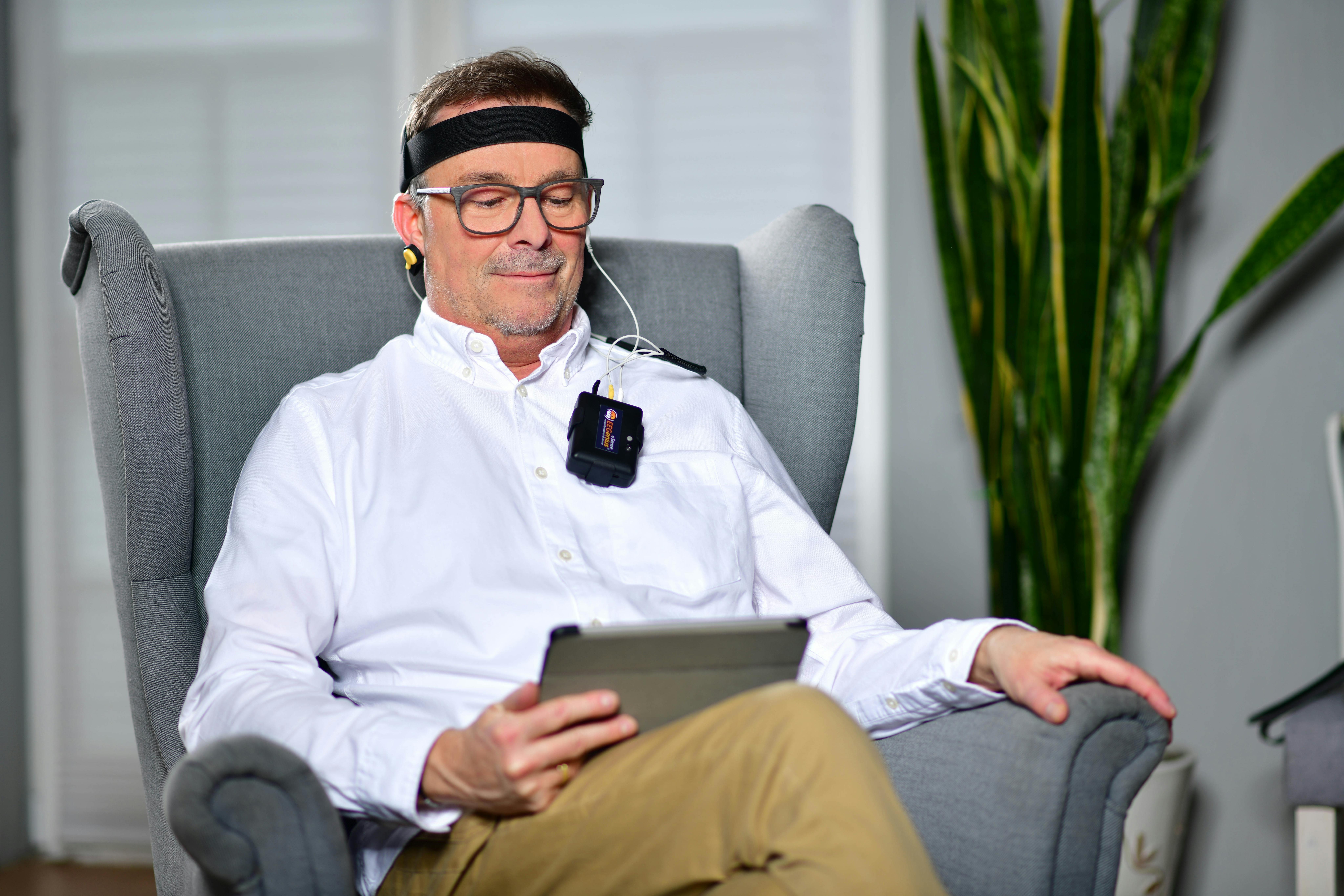
Virtual reality is revolutionizing how couples connect, communicate, and heal together. VR relationship therapy offers immersive experiences that traditional counseling simply cannot match.

🌐 The Dawn of a New Era in Couples Counseling
Relationship therapy has evolved dramatically over the past decade, moving from traditional office settings to online video calls, and now into fully immersive virtual environments. VR relationship therapy represents the cutting edge of this evolution, offering couples a unique space where they can work through issues in ways that feel both safe and extraordinarily real.
The technology behind VR therapy creates three-dimensional environments where partners can interact with each other and therapeutic scenarios in ways that mirror real-life situations. Unlike conventional therapy where couples sit on a couch discussing their problems, VR allows them to experience simulated situations that trigger genuine emotional responses, providing therapists with unprecedented insights into relationship dynamics.
This innovative approach addresses one of the fundamental challenges of traditional therapy: the disconnect between talking about problems and actually experiencing them. When couples can virtually recreate challenging moments or practice new communication techniques in realistic settings, the therapeutic benefits multiply exponentially.
💡 Understanding How VR Relationship Therapy Actually Works
VR relationship therapy sessions typically begin with both partners wearing headsets that transport them into a shared virtual space. These environments can range from neutral therapy rooms to customized settings that hold significance for the couple, such as recreations of their first date location or their home.
The therapist, who may also be present as an avatar or guiding voice, facilitates exercises designed to address specific relationship challenges. The immersive nature of VR means that couples aren’t just talking about their communication patterns—they’re actively demonstrating them in real-time scenarios.
Advanced VR therapy platforms incorporate biometric feedback, tracking heart rate, stress levels, and emotional responses during sessions. This data provides therapists with objective measurements of how partners react to different situations and topics, offering insights that verbal communication alone might miss.
The Technology Behind the Transformation
Modern VR therapy platforms utilize sophisticated software that creates responsive environments. These systems can adjust scenarios based on how couples interact, creating personalized therapeutic experiences that evolve with each session. The technology reads body language, voice tone, and even subtle facial expressions translated through avatar movements.
Eye-tracking technology allows therapists to see where each partner’s attention focuses during conversations, revealing patterns of engagement or avoidance that might be unconscious. Hand-tracking ensures that gestures and physical communication are accurately represented, capturing the full spectrum of non-verbal communication that’s crucial in relationships.
🔍 Why Traditional Therapy Sometimes Falls Short
While traditional relationship therapy has helped millions of couples, it faces inherent limitations. The clinical setting can feel artificial, making it difficult for some people to access genuine emotions. Partners may struggle to remember or accurately describe conflict situations, and the therapist must rely entirely on verbal accounts that may be colored by individual perspectives.
Distance presents another challenge for many couples seeking help. Geographic separation, busy schedules, or mobility issues can make regular in-person sessions impossible. Even video therapy, while convenient, lacks the immersive quality needed for certain therapeutic interventions.
Furthermore, some relationship issues are difficult to address through conversation alone. Problems related to intimacy, physical presence, or situational anxiety often require experiential approaches that traditional talk therapy cannot provide.
✨ The Transformative Benefits of VR Couples Therapy
Virtual reality therapy offers couples a safe space to confront difficult emotions and situations without real-world consequences. Partners can practice conflict resolution in heated scenarios, knowing they can pause, reset, or replay interactions to better understand their patterns.
Enhanced Empathy Through Perspective-Switching
One of the most powerful features of VR therapy is the ability to literally see the world through your partner’s eyes. Therapists can facilitate exercises where partners swap avatars, experiencing conversations and scenarios from each other’s perspective. This profound shift often creates breakthrough moments of understanding that years of traditional therapy might not achieve.
Research shows that this perspective-taking capability significantly increases empathy and reduces defensive reactions during conflicts. When you’ve literally experienced a situation from your partner’s viewpoint, dismissing their feelings becomes much harder.
Practicing Presence and Mindfulness Together
VR environments eliminate external distractions that plague both daily life and traditional therapy sessions. There are no phones buzzing, no concerns about who might overhear, no visual reminders of household chores waiting. This focused attention allows couples to be fully present with each other in ways that modern life rarely permits.
Therapists can guide couples through mindfulness exercises in calming virtual environments—walking together on a peaceful beach, sitting by a mountain stream, or floating in tranquil space. These shared experiences create positive associations and teach partners how to find calm together.
Addressing Intimacy Issues with Comfort and Privacy
Many couples struggle with intimacy-related issues but feel uncomfortable discussing them in traditional therapy settings. VR provides a layer of privacy through avatar representation that can make these conversations feel less exposing while still being deeply meaningful.
Virtual environments can be designed to help couples reconnect physically and emotionally, practicing affection, rebuilding trust after infidelity, or working through trauma that affects intimate connections. The controlled nature of these experiences allows for gradual exposure and healing at a pace that feels safe for both partners.
🎯 Specific Relationship Challenges VR Therapy Addresses
Different types of VR therapy programs target specific relationship issues with customized approaches and environments.
Communication Breakdown and Conflict Resolution
VR scenarios can recreate common conflict triggers in your relationship, allowing you to practice new communication techniques in real-time. The therapist can pause interactions, rewind moments, and help you identify exactly where communication breaks down. You can try different approaches to the same scenario, immediately seeing how changes in tone, word choice, or body language affect outcomes.
Long-Distance Relationship Support
For geographically separated couples, VR therapy creates a sense of physical presence that video calls cannot match. Partners can sit together in a virtual living room, take walks in beautiful locations, or engage in activities that build connection despite physical distance. This technology transforms long-distance therapy from a compromise into a unique advantage.
Trust Rebuilding After Betrayal
Infidelity and broken trust create wounds that take time and consistent effort to heal. VR therapy provides structured environments where couples can work through pain, practice transparency, and rebuild emotional safety. Guided scenarios help the betrayed partner express hurt while helping the other partner understand the full impact of their actions through perspective-switching exercises.
Pre-Marital Counseling and Life Transition Preparation
VR can simulate future scenarios that couples will face—managing finances, navigating parenting decisions, balancing career and relationship needs. Practicing these situations before they happen in real life equips couples with skills and strategies they can deploy when actual challenges arise.
🚀 Getting Started with VR Relationship Therapy
Beginning your VR therapy journey requires some preparation, but the process is more accessible than you might think. Start by researching licensed therapists who offer VR-assisted relationship counseling. Many traditional relationship therapists are now incorporating this technology into their practice.
You’ll need access to VR headsets—either your own devices or equipment provided by the therapy practice. Many clinics now offer on-site VR sessions where all equipment is provided, making it easy to try this approach before investing in your own technology.
Questions to Ask Potential Therapists
Before committing to VR relationship therapy, have conversations with potential therapists about their experience, approach, and technology. Ask about their training in both relationship therapy and VR technology facilitation. Inquire about their success rates and what types of relationship issues they’ve most effectively addressed using VR.
Understanding the structure of sessions, frequency recommendations, and how progress will be measured helps set clear expectations. Some therapists combine traditional talk therapy with VR sessions, while others work primarily in virtual environments.
What to Expect in Your First Session
Initial VR therapy sessions typically include orientation to the technology and establishment of comfort levels. Your therapist will ensure both partners feel safe and in control, explaining how to navigate the virtual environment and how to signal if anyone needs a break.
Early sessions focus on assessment—understanding your relationship dynamics, identifying core issues, and establishing therapeutic goals. The immersive environment often reveals patterns more quickly than traditional intake processes, allowing therapy to progress more efficiently toward targeted interventions.
📊 The Science Supporting VR Therapy Effectiveness
Research into VR therapy outcomes shows promising results across multiple therapeutic applications, including relationship counseling. Studies indicate that the immersive nature of VR creates stronger emotional engagement than traditional therapy methods, leading to faster processing of difficult emotions and more durable behavior changes.
Neuroscience research reveals that our brains respond to well-designed VR experiences similarly to how they respond to actual experiences. This means that practicing new relationship behaviors in VR creates neural pathways comparable to real-world practice, making skill transfer more effective.
A growing body of evidence suggests that VR therapy produces results in fewer sessions compared to traditional approaches for certain issues. The experiential learning component accelerates understanding and skill development, potentially reducing both the time and cost required for effective therapy.
💭 Overcoming Common Concerns About VR Therapy
Some couples hesitate to try VR relationship therapy due to concerns about technology, artificiality, or effectiveness. These concerns are understandable but often based on misconceptions about what VR therapy actually involves.
Is It Too Artificial to Address Real Problems?
While the environment is virtual, the emotions, interactions, and insights are entirely real. The VR setting serves as a tool that facilitates genuine connection and communication, much like how a therapist’s office provides a container for therapeutic work. The technology doesn’t replace human connection—it enhances it by removing barriers and creating opportunities for deeper engagement.
What About Motion Sickness or Discomfort?
Modern VR technology has largely solved early problems with motion sickness through improved frame rates, better tracking, and thoughtful design. Therapeutic VR environments are specifically designed for comfort, typically avoiding the rapid movements that can cause disorientation. Most people adapt quickly, and therapists are trained to recognize and address any discomfort immediately.
Privacy and Confidentiality Considerations
Reputable VR therapy platforms employ the same rigorous privacy protections as traditional therapy. Sessions are confidential, recordings are stored securely with the same standards as other medical records, and therapists maintain professional ethical guidelines regardless of the technology used. Some couples actually feel more privacy in VR settings since sessions can be conducted from home without concerns about being overheard in a therapist’s office.
🌟 Real Couples, Real Transformations
Couples who have experienced VR relationship therapy often describe it as revelatory. The ability to practice difficult conversations in a safe space before having them in real life provides confidence and skills that translate immediately into their daily relationships.
Partners report feeling truly heard and understood in ways that hadn’t happened in years of traditional therapy. The immersive nature of VR removes the distractions and defenses that often prevent genuine vulnerability, creating opportunities for breakthrough moments of connection.
Many couples appreciate the efficiency of VR therapy—seeing progress more quickly than expected and developing skills that feel immediately applicable to their real-world relationship challenges. The technology component often appeals to partners who struggled with engagement in traditional therapy settings.
🔮 The Future of VR in Relationship Healing
As VR technology continues advancing, the possibilities for relationship therapy expand exponentially. Emerging developments include haptic feedback that allows partners to experience virtual touch, AI-assisted therapy support that can provide guidance between sessions, and even more realistic avatar representations that capture subtle emotional expressions.
Integration with other wellness technologies—sleep tracking, stress monitoring, daily mood logging—will create comprehensive approaches to relationship health that address the full context of couples’ lives. Preventive care may become the norm, with couples using VR tools regularly to maintain relationship health rather than waiting for crisis moments.
The democratization of VR technology means that therapeutic tools once available only in specialized clinics will become accessible to couples everywhere. While professional guidance remains important, supplemental VR exercises and check-ins could support ongoing relationship maintenance and growth.

💪 Taking the Next Step in Your Relationship Journey
If you’re considering VR relationship therapy, recognize that this decision itself represents commitment to your relationship’s future. The willingness to try new approaches and invest in professional support demonstrates that your partnership matters enough to pursue every available resource for its success.
Begin by having an honest conversation with your partner about your relationship goals and whether VR therapy might address your specific challenges. Research therapists in your area or online who offer this service, and don’t hesitate to schedule consultations with multiple providers to find the right fit.
Remember that all effective therapy requires vulnerability, effort, and practice between sessions. VR technology provides powerful tools, but the real transformation comes from your willingness to engage authentically with the process and with each other.
Your relationship deserves every opportunity to thrive. Virtual reality therapy offers a pathway to connection that previous generations could never have imagined—a chance to immerse yourself fully in the work of love, supported by technology that makes genuine healing not just possible but powerfully probable. The future of your relationship might be waiting in a virtual world that helps you build an even better reality together.