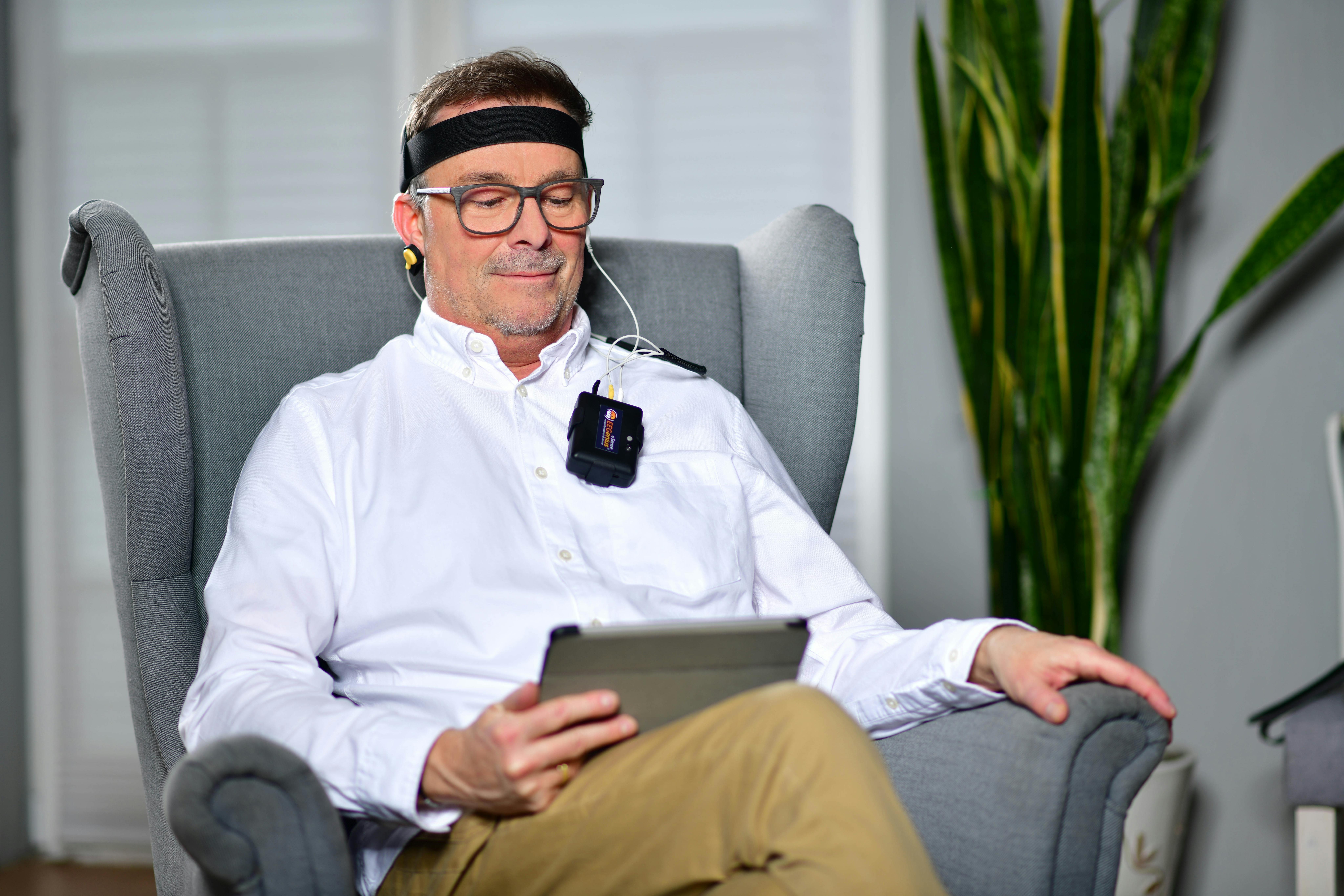
Imagine unlocking hidden reserves of focus, creativity, and emotional balance simply by training your brain. This isn’t science fiction—it’s the revolutionary reality of BCI-integrated neurofeedback technology.

🧠 Understanding the Neurofeedback Revolution
Neurofeedback has evolved dramatically from its clinical origins in the 1960s to today’s sophisticated brain-computer interface (BCI) integrated systems. At its core, neurofeedback is a form of biofeedback that provides real-time information about brain activity, allowing individuals to learn how to self-regulate their neural patterns. When combined with modern BCI technology, this training becomes more precise, accessible, and remarkably effective.
The human brain generates electrical signals through billions of neurons communicating simultaneously. These signals create brainwave patterns that correlate with different mental states—from deep sleep to peak concentration. Traditional neurofeedback required expensive clinical equipment and specialized expertise, but BCI-integrated systems have democratized access to this powerful technology.
Modern brain-computer interfaces use advanced sensors to detect these electrical patterns through electroencephalography (EEG). The data is processed through sophisticated algorithms that translate raw brain activity into actionable feedback. This feedback can take many forms: visual displays, audio cues, or even interactive games that respond to your mental state in real-time.
The Science Behind Brain Training Technology
Brain-computer interface neurofeedback works on the principle of operant conditioning—the same learning mechanism your brain uses naturally. When you perform a desired mental action, such as achieving a focused state, the BCI system provides immediate positive feedback. Your brain recognizes this reward and gradually learns to reproduce that state more easily.
Research published in leading neuroscience journals demonstrates that consistent neurofeedback training can produce lasting changes in brain structure and function. This phenomenon, known as neuroplasticity, means your brain literally rewires itself based on repeated mental exercises. Studies show improvements in attention span, emotional regulation, memory performance, and stress resilience after regular neurofeedback sessions.
The integration of BCI technology enhances traditional neurofeedback in several critical ways. First, modern sensors provide higher resolution data with less interference from muscle activity or environmental noise. Second, machine learning algorithms can identify subtle patterns that might escape human observation. Third, wireless connectivity allows training in natural environments rather than sterile clinical settings.
Different Brainwave States and Their Functions
Understanding brainwave frequencies is essential to appreciating how neurofeedback works. Your brain produces distinct frequency bands associated with specific mental states:
- Delta waves (0.5-4 Hz): Dominant during deep sleep, essential for physical restoration and healing
- Theta waves (4-8 Hz): Present in meditation, creativity, and the transition between wakefulness and sleep
- Alpha waves (8-13 Hz): Associated with relaxed alertness, mental coordination, and mindfulness
- Beta waves (13-30 Hz): Active during focused attention, problem-solving, and conscious thought
- Gamma waves (30-100 Hz): Linked to higher cognition, perception integration, and peak mental performance
BCI-integrated neurofeedback systems can target specific frequency bands depending on your goals. Someone struggling with anxiety might train to increase alpha waves while reducing excessive beta activity. An athlete seeking peak performance might work on generating more gamma waves during competition preparation.
🎯 Performance Enhancement Through Neural Optimization
Elite athletes, business executives, and performing artists have discovered that mental performance often determines success more than physical ability or technical skill. BCI neurofeedback provides a direct method for optimizing the mental states that underpin exceptional performance.
Professional sports teams now employ neurofeedback specialists to help athletes achieve “the zone”—that elusive state of effortless peak performance. Research with Olympic athletes shows that neurofeedback training can improve reaction times, decision-making under pressure, and consistency in high-stakes situations. The technology helps athletes identify their optimal pre-performance mental state and reliably reproduce it on demand.
In corporate environments, executives use BCI neurofeedback to enhance cognitive flexibility, maintain focus during marathon meetings, and manage the stress of high-pressure decision-making. Studies indicate that neurofeedback training can improve working memory capacity by up to 15% and increase sustained attention duration by 25% or more after consistent practice.
Academic and Cognitive Performance Benefits
Students and lifelong learners are increasingly turning to neurofeedback as a study aid without the side effects of stimulant medications. Research demonstrates that neurofeedback training can benefit academic performance through multiple mechanisms. It enhances the brain’s ability to filter distractions, improves information retention, and increases mental stamina for extended study sessions.
Children with attention difficulties have shown remarkable improvements through neurofeedback protocols designed to strengthen attention networks. Unlike medication, which provides temporary symptom relief, neurofeedback creates lasting changes in brain function that persist long after training concludes. Many parents report that their children develop better self-regulation skills that transfer to social situations beyond the academic context.
Mental Well-being and Emotional Regulation 🌟
Perhaps the most transformative application of BCI neurofeedback lies in mental health and emotional well-being. Traditional psychotherapy works through conscious verbal processing, but neurofeedback addresses mental health at the fundamental level of brain function itself.
Anxiety disorders involve excessive activation in brain regions responsible for threat detection and worry. Neurofeedback protocols can train these overactive areas to settle while strengthening regions associated with calm and emotional balance. Clinical trials show that neurofeedback can reduce anxiety symptoms by 40-60%, with effects comparable to medication but without side effects.
Depression often involves reduced activity in brain regions governing positive emotion and motivation. Specific neurofeedback protocols target these areas, helping restore healthier activity patterns. Patients report not just symptom reduction but genuine improvements in mood quality, energy levels, and life engagement. Some research suggests neurofeedback may help prevent relapse better than conventional treatments alone.
Stress Management and Resilience Building
Chronic stress literally changes brain structure, shrinking regions involved in memory and emotional regulation while enlarging the amygdala—your brain’s alarm system. BCI neurofeedback offers a powerful intervention for reversing these harmful changes. By training your brain to shift more readily into calm, coherent states, you build fundamental stress resilience.
Heart rate variability (HRV) biofeedback, often integrated with neurofeedback in comprehensive BCI systems, strengthens the communication between your brain and cardiovascular system. This training improves your ability to maintain composure under pressure and recover quickly from stressful events. Corporate wellness programs incorporating neurofeedback report significant reductions in employee burnout and stress-related absenteeism.
Sleep Optimization Through Brain Training
Quality sleep is foundational to every aspect of health and performance, yet millions struggle with insomnia and poor sleep quality. BCI neurofeedback addresses sleep problems by training the brain to produce the neural patterns associated with natural, restorative sleep.
Unlike sleeping pills that artificially induce unconsciousness, neurofeedback helps your brain rediscover its innate ability to transition smoothly through sleep stages. Protocols typically focus on enhancing SMR (sensorimotor rhythm) waves, which are associated with calm alertness during the day and sleep quality at night. Users report falling asleep more easily, experiencing fewer nighttime awakenings, and feeling more refreshed upon waking.
People with trauma-related sleep disturbances find particular benefit from neurofeedback. By calming an overactive nervous system and reducing nighttime arousal, the training helps restore the sense of safety necessary for deep, healing sleep. Many users can reduce or eliminate sleep medication after completing a neurofeedback protocol.
🔬 Practical Implementation and Getting Started
Starting your neurofeedback journey requires understanding the available technology options and choosing an approach that fits your goals, budget, and lifestyle. The landscape ranges from clinical-grade systems to consumer-friendly devices that integrate with smartphone apps.
Professional neurofeedback typically involves working with a trained practitioner who conducts an initial brain mapping assessment. This quantitative EEG (qEEG) identifies your unique brainwave patterns and helps design a personalized training protocol. Sessions usually last 30-45 minutes and occur once or twice weekly over several months. While this approach offers maximum customization and expert guidance, it requires significant time and financial investment.
Consumer BCI devices have made neurofeedback more accessible than ever. Headband sensors from companies like Muse, NeuroSky, and OpenBCI connect to smartphone applications that provide guided neurofeedback training. These systems lack the precision of clinical equipment but offer remarkable convenience and affordability for self-directed brain training.
Choosing the Right Neurofeedback Approach
Your optimal neurofeedback pathway depends on your specific goals and circumstances. Consider these factors when deciding:
- Clinical conditions: Diagnosed mental health issues, severe attention problems, or trauma-related symptoms typically benefit most from professional clinical neurofeedback with expert oversight
- Performance optimization: Athletes, executives, and students seeking cognitive enhancement can often achieve excellent results with consumer devices and consistent self-directed practice
- Budget considerations: Clinical neurofeedback typically costs $100-200 per session with protocols requiring 20-40 sessions, while consumer devices range from $200-500 as one-time purchases
- Time availability: Professional treatment requires scheduled appointments, while consumer systems offer flexible training on your own schedule
Maximizing Results and Best Practices
Successfully integrating BCI neurofeedback into your life requires more than just technology—it demands consistency, patience, and complementary lifestyle practices. Think of neurofeedback as going to the gym for your brain: sporadic sessions provide minimal benefit, but regular training produces remarkable results.
Most experts recommend starting with at least three sessions weekly for the first several weeks. This frequency allows your brain to consolidate learning between sessions while maintaining momentum. Each session should last 15-30 minutes, depending on the protocol. Many users find morning sessions particularly effective, as the training sets a positive neural tone for the entire day.
Creating an optimal training environment enhances results significantly. Choose a quiet space with minimal distractions where you can sit comfortably. Dim lighting often helps, especially for relaxation protocols. Ensure your device sensors are properly positioned for clean signal detection—poor sensor contact is the most common technical issue that undermines training effectiveness.
Complementary Practices for Enhanced Neuroplasticity
Neurofeedback works best as part of a comprehensive brain health strategy. Regular aerobic exercise increases BDNF (brain-derived neurotrophic factor), a protein that supports the neuroplastic changes neurofeedback initiates. Aim for 30 minutes of moderate-intensity activity most days of the week.
Nutrition profoundly impacts brain function and training responsiveness. Omega-3 fatty acids support neural membrane health, while antioxidants protect brain cells from oxidative stress. Adequate protein intake provides amino acids necessary for neurotransmitter production. Stay well-hydrated, as even mild dehydration impairs cognitive function and may reduce neurofeedback effectiveness.
Sleep quality deserves special attention during neurofeedback training. Your brain consolidates new learning during sleep, meaning the work you do during training sessions becomes permanently encoded while you rest. Prioritize 7-9 hours of quality sleep nightly, maintaining consistent sleep-wake times even on weekends.
Looking Forward: The Future of Brain-Computer Integration 🚀
The field of BCI neurofeedback stands at an exciting frontier, with emerging technologies promising even more powerful applications. Researchers are developing non-invasive brain stimulation techniques that complement neurofeedback training, potentially accelerating results. Transcranial direct current stimulation (tDCS) and transcranial magnetic stimulation (TMS) may one day integrate seamlessly with neurofeedback systems for enhanced neuroplasticity.
Artificial intelligence is transforming neurofeedback from standardized protocols to truly personalized brain training. Machine learning algorithms can analyze your unique brainwave patterns and automatically adjust training parameters for optimal results. These adaptive systems may identify subtle neural signatures that predict treatment response, allowing more efficient targeting of problematic patterns.
Virtual and augmented reality integration creates immersive neurofeedback experiences that engage users more deeply than traditional visual displays. Imagine exploring a virtual forest that becomes more vivid and detailed as your brain enters meditative states, or playing a VR game where your mental focus directly controls your character’s abilities. These engaging interfaces may improve adherence and accelerate learning.
Transform Your Mental Landscape Today
The convergence of neuroscience, technology, and accessibility has created an unprecedented opportunity to take control of your mental performance and well-being. BCI-integrated neurofeedback offers something rare in our quick-fix culture: a scientifically validated method for creating lasting positive changes in brain function through your own effort and practice.
Whether you’re seeking peak performance, mental health support, better sleep, or simply want to explore your brain’s untapped potential, neurofeedback provides a direct pathway to meaningful change. The technology has matured beyond experimental status into practical tools that thousands use daily to enhance their lives.
Starting doesn’t require perfect conditions or expensive equipment. Even basic consumer devices, used consistently with proper technique, can produce noticeable improvements within weeks. The key lies not in finding the perfect system but in beginning the practice and maintaining consistency. Your brain possesses remarkable adaptive capacity—neurofeedback simply provides the mirror and guidance to help it optimize itself.
As our understanding of the brain deepens and technology advances, neurofeedback will likely become as common as physical fitness training is today. The pioneers adopting these tools now are discovering firsthand what researchers have documented in laboratories: your brain can change, grow, and optimize itself at any age. The question isn’t whether neurofeedback works—the evidence overwhelmingly confirms it does. The real question is whether you’re ready to unlock the potential that’s been waiting inside your skull all along.
The journey to enhanced mental performance and well-being begins with a single session, a single moment of curiosity about what your brain can become. With BCI-integrated neurofeedback, you hold the key to transformation. The only step remaining is to turn it.