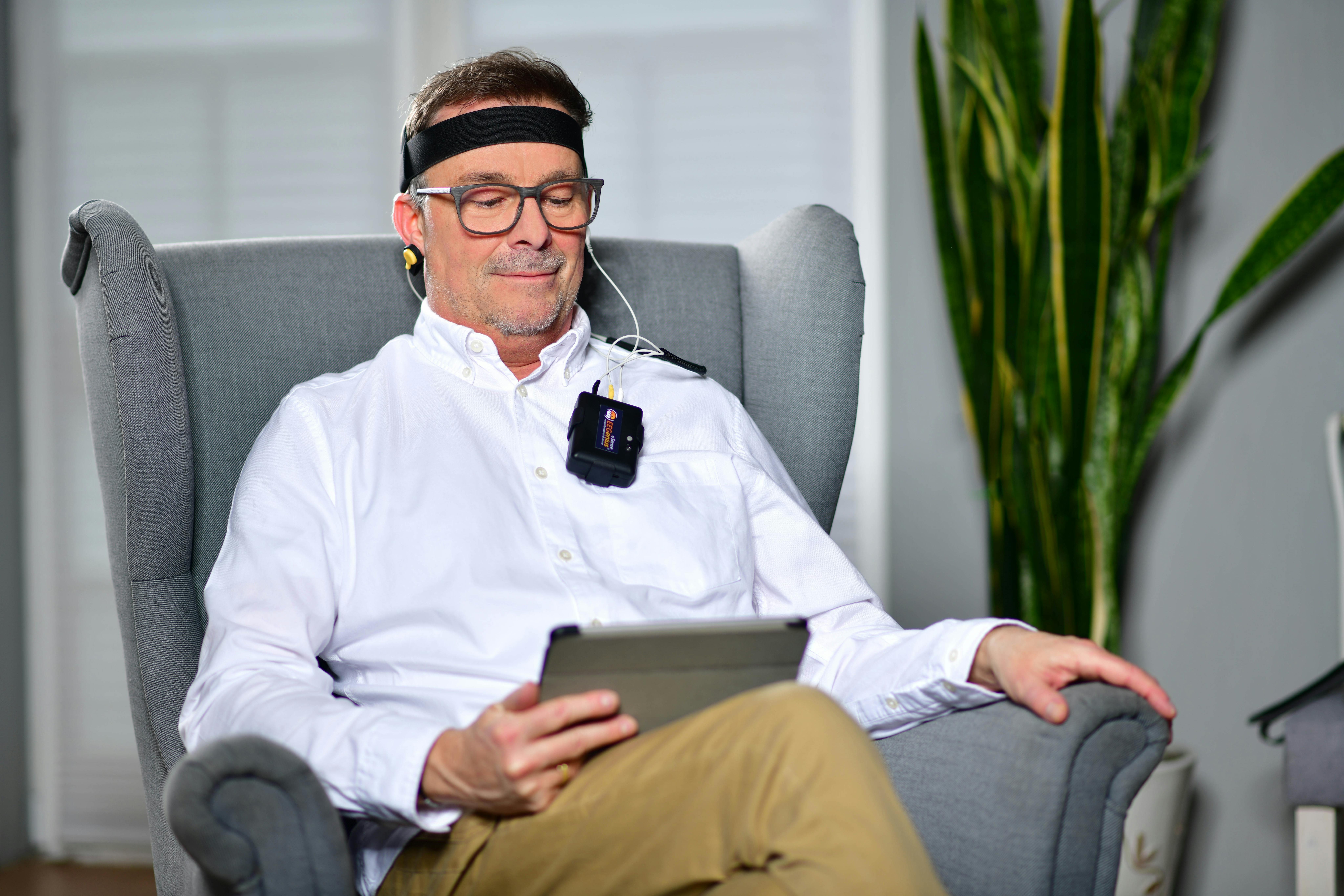
Your brain holds untapped potential waiting to be unlocked through cutting-edge technology that merges artificial intelligence with neurofeedback training systems.

In an era where cognitive performance determines success across nearly every domain of life, the intersection of neuroscience and artificial intelligence has created unprecedented opportunities for mental enhancement. Traditional methods of brain training have evolved dramatically, giving rise to sophisticated AI-driven neurofeedback systems that promise to revolutionize how we optimize our cognitive abilities.
The convergence of machine learning algorithms with real-time brainwave monitoring represents more than just technological advancement—it signals a fundamental shift in our approach to mental fitness and cognitive development. As these systems become increasingly accessible and refined, understanding their capabilities and applications becomes essential for anyone interested in maximizing their mental performance.
🧠 Understanding the Science Behind AI-Powered Neurofeedback
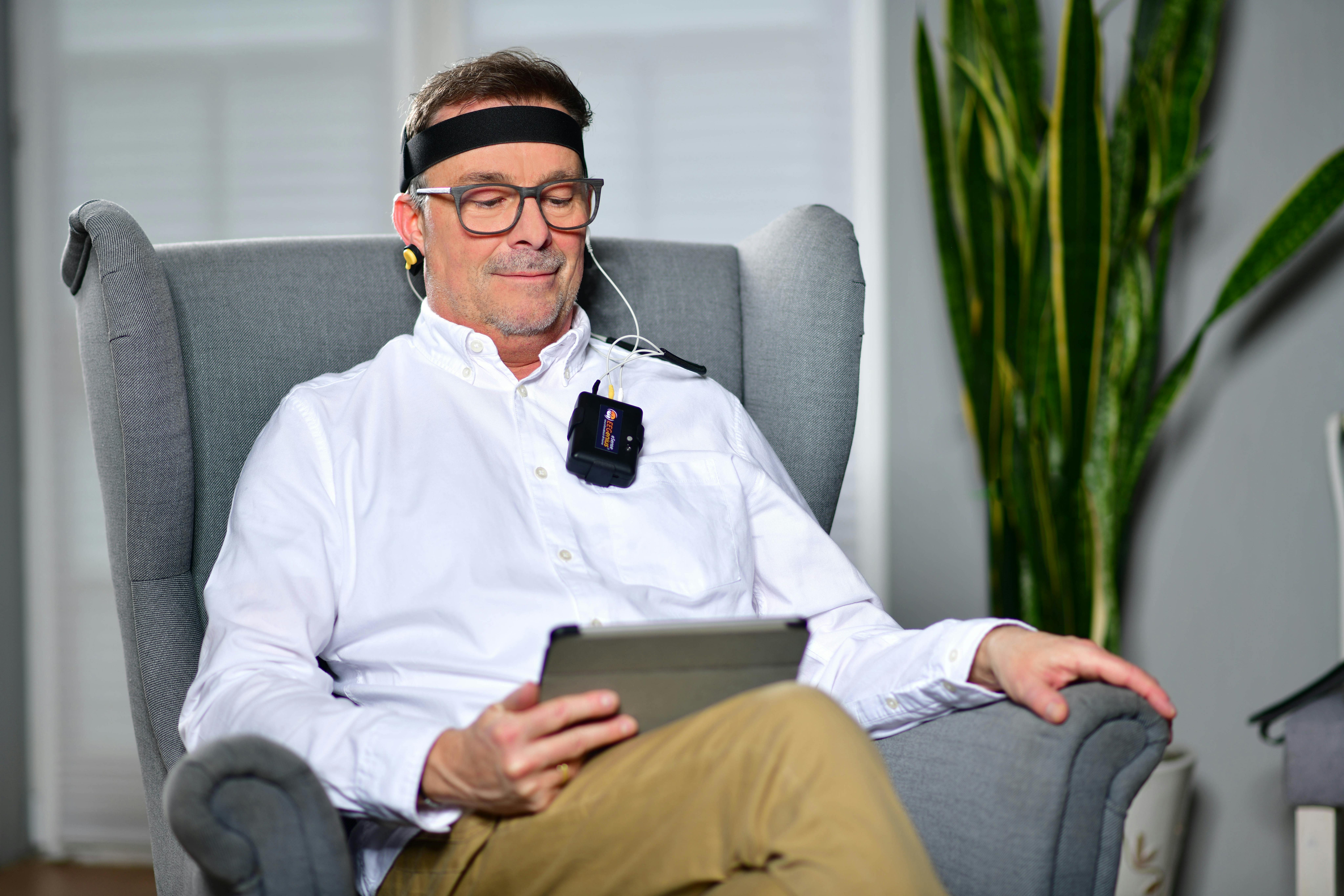
Neurofeedback, also known as EEG biofeedback, involves monitoring brain activity through sensors placed on the scalp and providing real-time feedback to help individuals learn to regulate their brainwave patterns. This technique has existed for decades, but the integration of artificial intelligence has transformed its effectiveness and accessibility.
Traditional neurofeedback required extensive human expertise to interpret brainwave data and design appropriate training protocols. Clinicians would spend hours analyzing EEG readings, identifying patterns, and manually adjusting treatment parameters. This labor-intensive process made neurofeedback expensive, time-consuming, and available only through specialized clinics.
AI-driven neurofeedback systems change this paradigm entirely. Machine learning algorithms can process vast amounts of brainwave data in milliseconds, identifying subtle patterns that even experienced clinicians might miss. These systems continuously adapt training protocols based on individual responses, creating personalized cognitive enhancement programs that evolve with the user.
The Neural Networks Behind the Technology
Modern AI neurofeedback platforms utilize deep learning neural networks trained on massive datasets of brainwave recordings from thousands of individuals. These algorithms learn to recognize optimal brain states associated with peak performance, deep focus, creativity, relaxation, and other desired mental states.
When you engage with an AI-driven neurofeedback system, sophisticated algorithms analyze your unique brainwave signature across multiple frequency bands—delta, theta, alpha, beta, and gamma waves. The system identifies deviations from optimal patterns and designs targeted interventions to guide your brain toward more efficient functioning.
💡 The Cognitive Benefits You Can Actually Expect
The promise of cognitive enhancement often exceeds reality, but AI-driven neurofeedback has accumulated substantial evidence supporting its effectiveness across multiple domains. Understanding what these systems can realistically achieve helps set appropriate expectations and identify suitable applications.
Enhanced Focus and Attention Span
One of the most documented benefits involves improvements in sustained attention and concentration. AI neurofeedback systems train users to maintain optimal beta wave patterns associated with focused alertness while suppressing theta activity linked to mind-wandering and distraction.
Research demonstrates that individuals who complete AI-guided neurofeedback protocols show measurable improvements in attention-related tasks, with effects often persisting months after training completion. Students report better study efficiency, professionals experience enhanced productivity, and individuals with attention difficulties find meaningful symptom relief.
Stress Reduction and Emotional Regulation
Chronic stress represents one of the most significant obstacles to cognitive performance and overall wellbeing. AI neurofeedback systems excel at teaching users to consciously shift their brain states toward patterns associated with calm alertness and emotional balance.
By increasing alpha wave activity and promoting balanced hemispheric activation, these systems help users develop greater resilience to stress and improved emotional control. Many report sleeping better, feeling less anxious, and responding more constructively to challenging situations after consistent training.
Memory Enhancement and Learning Acceleration
Optimizing theta and gamma wave synchronization appears particularly important for memory consolidation and information processing. AI systems can identify and reinforce these patterns, potentially enhancing both working memory capacity and long-term retention.
While neurofeedback won’t transform you into a memory champion overnight, regular training may improve your ability to encode new information, recall details more efficiently, and integrate complex concepts more effectively.
⚡ How AI Makes Neurofeedback More Effective Than Ever
The artificial intelligence component isn’t merely a marketing buzzword—it fundamentally enhances every aspect of the neurofeedback experience. Understanding these improvements illuminates why AI-driven systems represent such a significant advancement over traditional approaches.
Personalization at Unprecedented Scales
Every brain is unique, with individual patterns shaped by genetics, experiences, and current mental states. AI algorithms excel at recognizing these individual differences and adapting training protocols accordingly.
Where traditional neurofeedback might apply standardized protocols with minor adjustments, AI systems continuously analyze your responses and modify training parameters in real-time. This dynamic personalization ensures that every session targets your specific needs with maximum efficiency.
Predictive Analytics and Progress Tracking
Machine learning models can predict which training approaches will likely produce the best results for your unique profile based on patterns observed in similar users. This predictive capability dramatically reduces the trial-and-error period that characterized traditional neurofeedback.
Advanced tracking systems visualize your progress across multiple dimensions, helping you understand exactly how your brain patterns are changing over time. This transparency keeps motivation high and enables data-driven decisions about training intensity and focus areas.
Accessibility and Convenience
AI automation has transformed neurofeedback from a clinical intervention requiring expensive equipment and professional supervision into something accessible through consumer-grade devices and smartphone applications. This democratization makes cognitive enhancement tools available to anyone interested in optimizing their mental performance.
🎯 Practical Applications Across Different Life Domains
The versatility of AI-driven neurofeedback extends across numerous contexts, from academic performance to athletic achievement. Exploring these applications helps identify how this technology might benefit your specific goals and circumstances.
Professional Performance and Productivity
Knowledge workers facing constant cognitive demands increasingly turn to neurofeedback for sustained performance enhancement. Training programs designed for professionals focus on maintaining prolonged concentration, rapidly shifting between tasks, and preserving mental clarity during extended work sessions.
Executives report improved decision-making under pressure, developers experience enhanced problem-solving capabilities, and creative professionals find it easier to access flow states conducive to innovative thinking.
Academic Achievement and Learning Optimization
Students at all levels utilize AI neurofeedback to improve study efficiency, test performance, and information retention. Protocols designed for learners emphasize brain states associated with effective encoding, comprehension, and recall.
Beyond simply improving grades, these systems help students develop better learning strategies, reduce test anxiety, and build sustainable study habits that serve them throughout their educational journey.
Athletic Performance and Mind-Body Integration
Elite athletes have long recognized that mental training matters as much as physical conditioning. AI neurofeedback helps athletes develop the precise mental states required for peak performance—calm focus before competition, rapid reflexes during play, and effective recovery afterward.
Research with Olympic athletes and professional teams demonstrates measurable improvements in reaction time, decision-making speed, and psychological resilience following neurofeedback training.
Mental Health and Therapeutic Applications
While not a replacement for professional mental health treatment, AI neurofeedback shows promise as a complementary intervention for various conditions including anxiety, depression, ADHD, and PTSD. Medical-grade systems operating under professional supervision have accumulated substantial evidence supporting therapeutic applications.
🔬 What the Research Actually Shows
Separating legitimate science from exaggerated marketing claims requires examining the actual evidence base supporting AI-driven neurofeedback. The research landscape includes both encouraging findings and important limitations worth acknowledging.
Peer-reviewed studies consistently demonstrate that neurofeedback can produce measurable changes in brain activity patterns and associated cognitive functions. Meta-analyses examining multiple studies show moderate to large effect sizes for attention improvement, with somewhat smaller but still significant effects for other cognitive domains.
The addition of AI capabilities represents a more recent development, with emerging research suggesting these systems may produce faster learning curves and more consistent results compared to traditional approaches. However, long-term studies comparing AI-driven and traditional neurofeedback remain limited.
Current Limitations and Realistic Expectations
Despite promising developments, AI neurofeedback isn’t a miracle solution. Individual responses vary considerably, with some users experiencing dramatic benefits while others notice more modest changes. Effects typically require consistent training over weeks or months rather than appearing immediately.
The quality of consumer-grade systems varies substantially, with some offering genuine neurofeedback based on accurate EEG readings while others provide little more than gamified relaxation exercises with minimal brain monitoring. Researching specific products carefully before investing time and money remains essential.
🛠️ Getting Started with AI Neurofeedback Training
For those interested in exploring AI-driven neurofeedback, understanding the available options and best practices helps ensure a productive experience. The market offers solutions ranging from clinical-grade systems to consumer devices, each with distinct advantages and limitations.
Choosing the Right System for Your Needs
Clinical-grade systems supervised by trained professionals offer the highest quality feedback and most rigorous protocols, but require significant time and financial investment. These remain the best option for therapeutic applications or serious cognitive optimization efforts.
Consumer devices provide more accessible entry points, with costs ranging from affordable to premium. When evaluating options, prioritize systems that use actual EEG sensors rather than indirect measures, offer transparent information about their algorithms, and provide evidence of validation studies.
Essential Features to Look For
- Multi-channel EEG sensing capabilities for comprehensive brain activity monitoring
- Adaptive algorithms that personalize training based on your responses
- Clear progress tracking with meaningful metrics beyond simple gamification
- Protocols designed by neuroscience professionals rather than pure technologists
- User communities and support resources to maximize effectiveness
- Privacy protections for your sensitive brainwave data
Establishing an Effective Training Routine
Consistency matters more than intensity with neurofeedback training. Most protocols recommend 2-4 sessions weekly, each lasting 20-30 minutes. This schedule allows your brain to consolidate learning between sessions while maintaining momentum.
Approach training with realistic expectations and patience. Meaningful changes typically emerge over 10-20 sessions rather than immediately. Track both objective metrics from the system and subjective experiences in daily life to fully appreciate your progress.
🚀 The Future Landscape of Cognitive Enhancement
Current AI-driven neurofeedback systems represent just the beginning of a broader revolution in cognitive enhancement technology. Understanding emerging trends helps anticipate how these tools will evolve and what capabilities may soon become available.
Integration with Other Biometric Data
Future systems will likely combine EEG readings with heart rate variability, sleep patterns, physical activity, and other biomarkers to create comprehensive cognitive optimization programs. This holistic approach recognizes that brain performance depends on overall physiological health.
Virtual Reality and Immersive Training Environments
Combining neurofeedback with VR creates engaging training scenarios where real-world relevant skills are practiced while brain activity is optimized. Imagine practicing public speaking in virtual environments while AI ensures you maintain ideal mental states, or training focus through immersive attention tasks that adapt to your current brain activity.
Brain-Computer Interfaces and Direct Neural Control
As neurofeedback systems become more sophisticated, they increasingly enable direct control of digital environments through thought alone. While still emerging, this capability could transform how we interact with technology and open new possibilities for cognitive enhancement through natural brain-computer integration.
🌟 Maximizing Your Cognitive Enhancement Journey
Technology alone doesn’t determine success with AI neurofeedback—your approach, habits, and complementary practices significantly influence outcomes. Adopting strategies that support brain optimization amplifies the benefits of neurofeedback training.
Maintain healthy sleep patterns, as brain plasticity and learning consolidation occur primarily during quality sleep. Your neurofeedback training creates opportunities for change, but sleep actualizes those changes into lasting improvements.
Combine neurofeedback with traditional cognitive training, physical exercise, proper nutrition, and stress management practices. These synergistic approaches address brain health comprehensively rather than relying solely on one intervention.
Stay curious and engaged with your training rather than treating it as passive therapy. Understanding how your brain responds to different activities, tracking which real-world situations feel different after training, and actively applying your enhanced capabilities ensures benefits extend beyond training sessions into daily life.
The revolution in AI-driven neurofeedback represents a genuine breakthrough in our ability to consciously optimize brain function. While not without limitations and requiring realistic expectations, these systems offer unprecedented opportunities for individuals committed to unlocking their cognitive potential. As technology continues advancing and evidence accumulates, neurofeedback will likely become as routine as physical fitness training—a standard tool for anyone serious about performing at their best mentally and emotionally.
Whether you’re a student seeking academic excellence, a professional pursuing peak performance, an athlete training mind and body, or simply someone interested in cognitive optimization, AI-driven neurofeedback deserves serious consideration as part of your enhancement toolkit. The future of cognitive enhancement has arrived, and it’s more accessible, personalized, and effective than ever before.