Your emotional well-being holds the key to unlocking unprecedented mental clarity, resilience, and life satisfaction through cutting-edge neurofeedback technology.

In today’s fast-paced world, millions struggle with emotional turbulence, anxiety, and mental fatigue that seem impossible to overcome. Traditional approaches often fall short, leaving people searching for solutions that address the root cause rather than just symptoms. Enter emotion-state neurofeedback—a revolutionary brain training method that’s transforming how we understand and regulate our emotional landscape.
This groundbreaking technology bridges the gap between neuroscience and practical mental health applications, offering a personalized pathway to emotional balance. Unlike conventional therapies that rely solely on talk or medication, neurofeedback works directly with your brain’s electrical patterns, teaching it to self-regulate more effectively. The results? Reduced anxiety, improved mood stability, enhanced focus, and a profound sense of control over your emotional responses.
🧠 Understanding the Science Behind Emotion-State Neurofeedback
Neurofeedback operates on a simple yet powerful principle: your brain can learn and adapt when given the right information. Every thought, emotion, and sensation you experience corresponds to specific patterns of electrical activity in your brain. These patterns, measured through electroencephalography (EEG), reveal whether your brain is functioning in optimal states or stuck in dysregulated patterns.
Emotion-state neurofeedback specifically targets the neural circuits responsible for emotional processing and regulation. The amygdala, prefrontal cortex, and anterior cingulate cortex work together to generate, interpret, and manage emotions. When these regions communicate efficiently, you experience emotional balance. When they don’t, you may struggle with anxiety, depression, or emotional volatility.

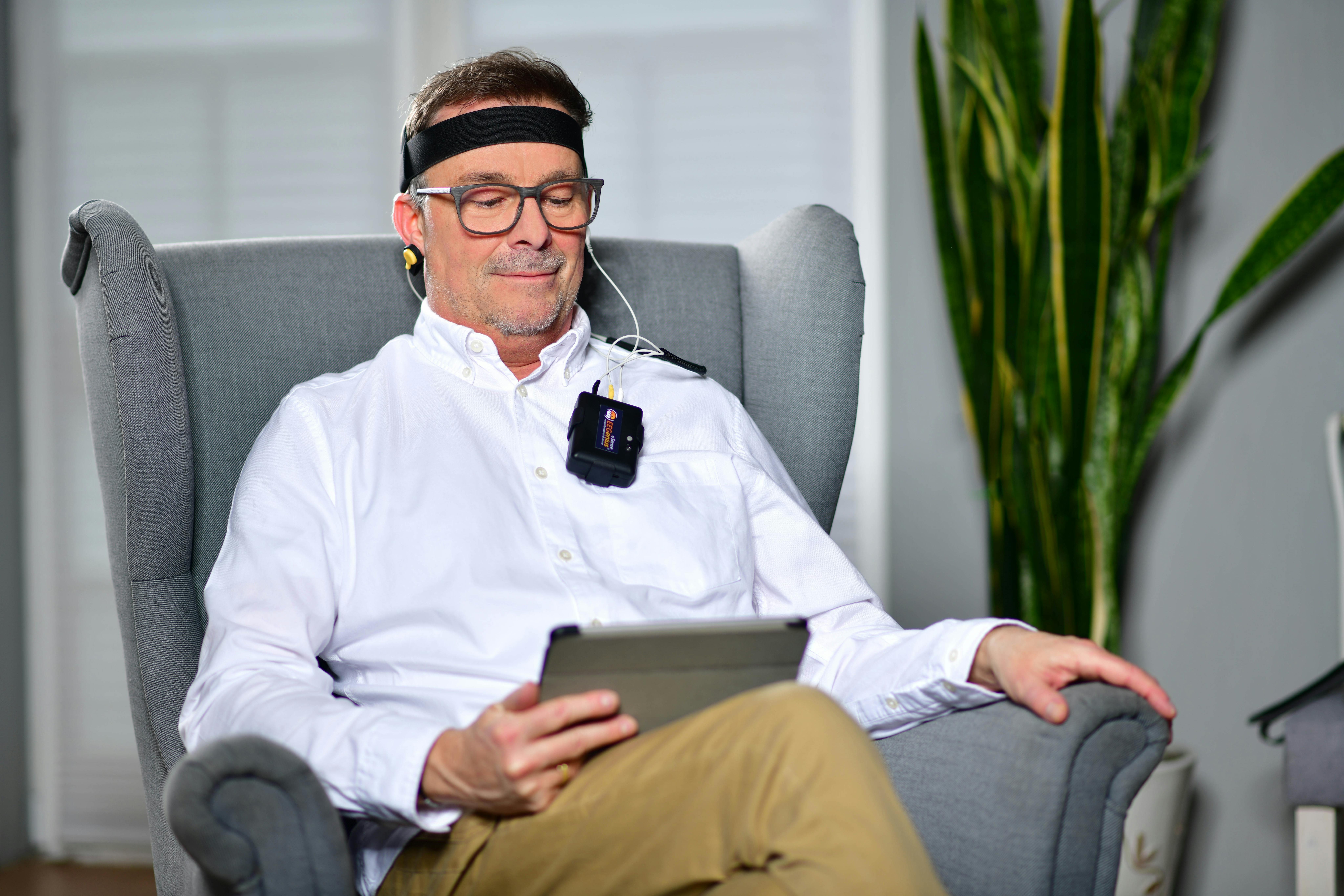
During a neurofeedback session, sensors placed on your scalp monitor your brain’s electrical activity in real-time. This information is processed by sophisticated software that provides immediate feedback—typically through visual or auditory cues. When your brain produces healthy patterns associated with calm, focus, or positive emotions, you receive positive reinforcement. When unhealthy patterns emerge, the feedback changes, alerting your brain to adjust.
The beauty of this approach lies in its non-invasive nature and the brain’s neuroplasticity—its ability to reorganize and form new neural connections throughout life. With consistent training, your brain literally rewires itself, strengthening pathways that support emotional regulation while weakening those associated with distress.
The Transformative Benefits of Emotional Balance Training
The advantages of emotion-state neurofeedback extend far beyond temporary symptom relief. Participants in neurofeedback programs frequently report life-changing improvements across multiple domains of their wellbeing and daily functioning.
Enhanced Emotional Regulation and Resilience 💪
Perhaps the most significant benefit is improved emotional regulation—the ability to recognize, understand, and manage your emotions effectively. Rather than being hijacked by intense feelings, you develop the capacity to observe emotions without being overwhelmed by them. This creates psychological resilience, enabling you to bounce back from setbacks more quickly and maintain equilibrium during challenging circumstances.
Research demonstrates that individuals who complete neurofeedback training show measurable improvements in emotional control tests and report feeling more balanced in their daily lives. They describe experiencing emotions with appropriate intensity rather than overreacting to minor stressors or feeling emotionally numb.
Reduction in Anxiety and Stress Symptoms
Chronic anxiety affects millions worldwide, manifesting as persistent worry, physical tension, and impaired quality of life. Emotion-state neurofeedback addresses anxiety at its neurological source by training the brain to maintain calmer baseline states and recover more quickly from stress activation.
Studies show significant reductions in both generalized anxiety and specific phobias following neurofeedback protocols. Participants report fewer intrusive thoughts, decreased physical symptoms like rapid heartbeat and muscle tension, and improved sleep quality—all without the side effects associated with pharmaceutical interventions.
Improved Focus and Cognitive Performance
Emotional dysregulation doesn’t just affect mood—it impairs cognitive function too. When your brain is consumed by emotional turbulence, resources that should support attention, memory, and decision-making get diverted. By establishing emotional equilibrium through neurofeedback, you simultaneously enhance cognitive capabilities.
Users consistently report sharper focus, better memory recall, and improved problem-solving abilities. This makes neurofeedback particularly valuable for professionals, students, and anyone seeking peak mental performance alongside emotional wellness.
Better Relationship Quality and Social Connection
Emotional balance profoundly impacts interpersonal relationships. When you can regulate your emotions effectively, you communicate more clearly, respond rather than react, and maintain empathy even during disagreements. Neurofeedback participants often notice improved relationships with partners, family members, and colleagues as they become more emotionally available and less reactive.
Who Can Benefit from Emotion-State Neurofeedback? 🎯
The versatility of neurofeedback makes it suitable for a remarkably diverse population. While initially developed for clinical applications, its benefits extend to anyone seeking enhanced mental performance and emotional wellbeing.
Individuals struggling with anxiety disorders, depression, PTSD, or mood instability find neurofeedback especially valuable. The technology offers an alternative or complement to traditional treatments, often with fewer side effects and longer-lasting results. Many therapists now integrate neurofeedback into comprehensive treatment plans.
High-performing professionals, athletes, and creatives use neurofeedback to optimize their mental state for peak performance. By training their brains to access flow states and maintain composure under pressure, they gain competitive advantages while protecting their mental health from burnout.
Parents dealing with the stress of modern family life, students facing academic pressures, and anyone navigating major life transitions can harness neurofeedback to maintain balance during challenging periods. The skills developed through training—emotional awareness, self-regulation, and resilience—serve you throughout life’s inevitable ups and downs.
What to Expect During Your Neurofeedback Journey
Understanding the neurofeedback process helps set realistic expectations and maximize benefits. While individual experiences vary, most people follow a similar trajectory through their training program.
Initial Assessment and Customization
Your journey typically begins with a comprehensive brain mapping session called a quantitative EEG (qEEG). This detailed assessment measures your brain’s electrical activity across different regions and frequencies, creating a personalized profile that identifies areas of dysregulation or imbalance.
Practitioners use this data to design a training protocol tailored specifically to your brain’s needs and your personal goals. This customization distinguishes clinical neurofeedback from generic brain training apps and ensures you’re addressing your unique neurological patterns.
Training Sessions and Progressive Improvement
Regular training sessions form the core of neurofeedback therapy. These typically last 30-60 minutes and occur one to three times weekly. During sessions, you might watch a movie, listen to music, or play a game while sensors monitor your brainwaves. The feedback is embedded in the experience—the screen brightens, the music plays more smoothly, or you score points when your brain produces target patterns.
Most people require 20-40 sessions to achieve lasting results, though some notice improvements within the first few weeks. Progress isn’t always linear; you might experience breakthroughs followed by plateaus as your brain integrates new patterns. Patience and consistency are essential.
Integration and Long-Term Maintenance
The true value of neurofeedback emerges as trained patterns become automatic. Once your brain learns healthier emotional regulation, these skills typically persist without ongoing sessions. Many people complete an intensive training period and then return periodically for tune-up sessions or when facing new challenges.
Practitioners often recommend combining neurofeedback with complementary practices like mindfulness, proper sleep hygiene, and stress management techniques. This holistic approach reinforces the neurological changes and supports comprehensive wellbeing.
Neurofeedback Technology: From Clinical Settings to Home Use 📱
Traditionally, neurofeedback required expensive equipment and specialized clinical settings, limiting accessibility. Recent technological advances have democratized access, though important distinctions exist between professional and consumer-grade options.
Clinical neurofeedback systems remain the gold standard, offering precision measurement, sophisticated analysis, and expert guidance. Working with trained practitioners ensures proper assessment, protocol selection, and progress monitoring. For those dealing with significant mental health challenges or seeking optimal results, clinical neurofeedback represents the best investment.
Consumer neurofeedback devices and apps have emerged as more accessible alternatives for general wellness and performance enhancement. While less sophisticated than clinical systems, quality consumer options can provide meaningful benefits for stress management, focus improvement, and emotional awareness training.
When considering home-based neurofeedback, research products carefully. Look for devices with scientific backing, quality sensors, and clear training protocols. Be realistic about what consumer technology can achieve—it’s excellent for maintenance and general brain health but may not replace professional treatment for clinical conditions.
Combining Neurofeedback with Other Wellness Practices 🌟
Neurofeedback delivers powerful results, but its benefits multiply when integrated into a comprehensive wellness approach. Your brain doesn’t exist in isolation—it’s influenced by physical health, lifestyle choices, and environmental factors.
Mindfulness and meditation practices complement neurofeedback beautifully. Both strengthen attention networks and enhance awareness of internal states. Many practitioners find that neurofeedback accelerates meditation progress, while meditation reinforces the self-awareness developed through neurofeedback training.
Physical exercise supports neurofeedback outcomes by promoting neuroplasticity, reducing stress hormones, and improving overall brain health. Regular movement, especially aerobic exercise, creates an optimal physiological environment for your brain to learn and adapt during neurofeedback sessions.
Nutrition profoundly impacts brain function and emotional regulation. Adequate omega-3 fatty acids, B vitamins, and minerals support the neurotransmitter systems involved in mood regulation. Stable blood sugar through balanced meals prevents energy crashes that trigger emotional volatility.
Quality sleep remains non-negotiable for brain health and emotional wellbeing. Neurofeedback can improve sleep quality, but prioritizing consistent sleep schedules, dark sleeping environments, and wind-down routines maximizes both sleep and neurofeedback benefits.
Overcoming Common Misconceptions About Brain Training
Despite growing scientific support, misconceptions about neurofeedback persist. Addressing these helps potential users make informed decisions based on evidence rather than myths.
Some worry that neurofeedback “controls” or “manipulates” the brain. In reality, neurofeedback is completely passive—it provides information, but your brain does all the work. You’re not being programmed; you’re learning, much like developing any skill through practice and feedback.
Others assume neurofeedback produces instant, dramatic changes. While some experience rapid improvements, lasting transformation typically requires consistent training over weeks or months. Neurofeedback facilitates learning, and like all learning, it unfolds gradually as new patterns become established.
Concerns about side effects occasionally arise. Neurofeedback is remarkably safe when properly administered. Temporary fatigue or mild headaches can occur as your brain adapts, but these typically resolve quickly. Serious adverse effects are extremely rare, especially compared to pharmaceutical interventions.
Some question whether neurofeedback benefits persist after training ends. Research demonstrates that properly conducted neurofeedback produces lasting changes because it leverages neuroplasticity—actual structural and functional brain changes. Skills learned become integrated into your brain’s default operating patterns.
The Future of Emotional Wellness Technology 🚀
Neurofeedback stands at the forefront of a broader revolution in mental health care and human performance optimization. As technology advances and our understanding of the brain deepens, even more powerful applications emerge.
Artificial intelligence and machine learning are enhancing neurofeedback protocols, enabling more precise personalization and adaptive training that responds to your progress in real-time. These systems identify subtle patterns invisible to human analysis, optimizing your training trajectory.
Portable, wireless EEG systems continue improving, making neurofeedback increasingly accessible and convenient. Future devices may seamlessly integrate into daily life, providing ongoing support for emotional regulation without requiring dedicated training sessions.
Research continues expanding our understanding of specific protocols for different conditions and goals. We’re moving toward increasingly targeted interventions that address precise neural circuits involved in specific emotional challenges or performance objectives.
Integration with virtual reality creates immersive training environments that enhance engagement and effectiveness. Imagine practicing emotional regulation in realistic scenarios while receiving real-time feedback about your brain’s response—this future is rapidly approaching.
Taking Your First Steps Toward Emotional Mastery
If you’re ready to unlock your brain’s potential through emotion-state neurofeedback, several pathways exist depending on your needs, resources, and goals.
For those dealing with significant mental health challenges or seeking maximum results, connecting with a certified neurofeedback practitioner represents the optimal starting point. Professional organizations like the Biofeedback Certification International Alliance maintain directories of qualified providers. Initial consultations typically involve discussing your goals, reviewing the qEEG assessment process, and designing a customized training plan.
Those interested in general wellness, stress management, or performance enhancement might explore quality consumer neurofeedback devices or apps. Research options thoroughly, reading scientific literature and user reviews. Start with clear, achievable goals and commit to consistent practice for at least several weeks before evaluating results.
Regardless of which path you choose, approach neurofeedback with realistic expectations and patience. You’re not fixing a broken brain; you’re training a healthy brain to function more optimally. This perspective shift—from pathology to development—empowers your journey toward emotional mastery.
Document your progress through journaling or tracking apps. Note changes in emotional reactivity, stress levels, sleep quality, relationships, and daily functioning. These records help you recognize subtle improvements and provide valuable information for adjusting your training protocol.
Remember that neurofeedback is a tool, not a magic solution. Your active participation, commitment to practice, and willingness to apply new skills in daily life determine your ultimate success. The technology provides unprecedented access to your brain’s learning systems, but you remain the author of your transformation.

Embracing Your Emotional Potential Through Neuroscience
The intersection of neuroscience and emotional wellness opens extraordinary possibilities for human flourishing. Emotion-state neurofeedback represents a paradigm shift—from managing symptoms to optimizing function, from accepting limitations to expanding capacities.
Your emotional life doesn’t have to be left to chance or genetics. The brain’s remarkable plasticity means you can actively shape your emotional landscape through targeted training. Neurofeedback accelerates this process, providing the precise information your brain needs to learn more adaptive patterns.
As you develop greater emotional balance, the benefits ripple through every aspect of your existence. Relationships deepen when you can show up fully present and regulated. Professional performance improves when anxiety and distraction no longer hijack your focus. Life satisfaction increases as you navigate challenges with resilience rather than being overwhelmed by them.
The journey toward emotional mastery is deeply personal and uniquely yours. Neurofeedback provides a powerful vehicle for that journey, but the destination—a life characterized by emotional balance, mental clarity, and psychological wellbeing—reflects your courage in taking the first step.
Your brain possesses extraordinary potential for growth, adaptation, and transformation throughout your entire life. Emotion-state neurofeedback unlocks that potential, offering you the keys to emotional balance and mental wellbeing that may have seemed forever out of reach. The question isn’t whether your brain can change—neuroscience confirms it can. The question is whether you’re ready to guide that change intentionally, leveraging cutting-edge technology to become the most emotionally balanced, mentally clear, and fully alive version of yourself.