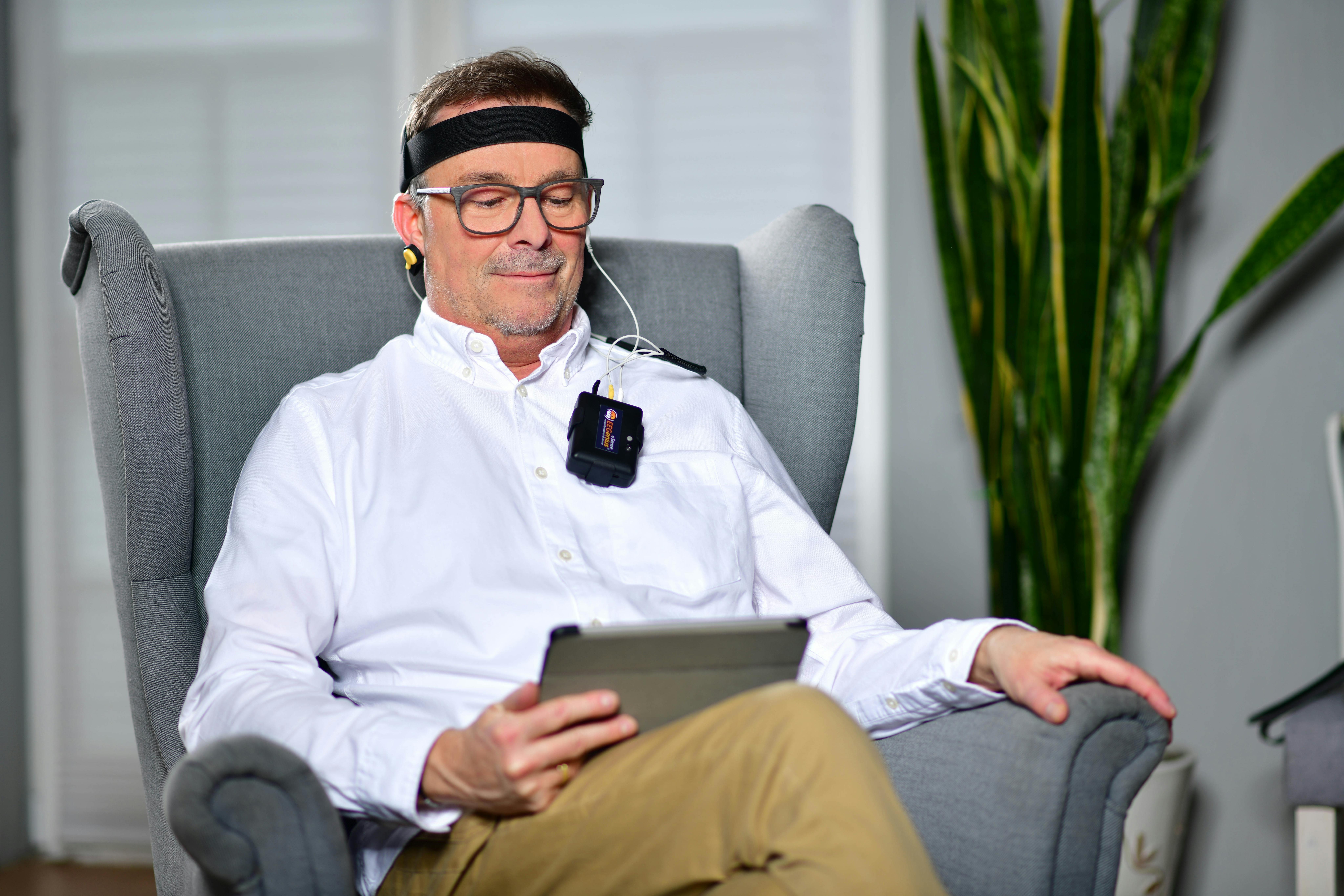
In today’s fast-paced world, anxiety has become a common companion for millions of people seeking relief and mental clarity. Neurofeedback offers a scientifically-backed pathway to reclaim your peace of mind through brain training techniques that address anxiety at its neurological roots.

🧠 Understanding the Brain-Anxiety Connection
Anxiety isn’t just a feeling—it’s a complex neurological response involving multiple brain regions and neurotransmitter systems. The amygdala, prefrontal cortex, and anterior cingulate cortex all play crucial roles in how we experience and process anxious thoughts and feelings. When these brain areas become dysregulated, anxiety symptoms can intensify, affecting every aspect of daily life.
Research has shown that individuals with anxiety disorders often display specific brainwave patterns that differ from those without anxiety. These patterns typically include elevated beta wave activity, particularly high-beta frequencies associated with rumination and worry. Additionally, there may be reduced alpha wave activity, which is connected to relaxation and calm mental states.
Understanding these neurological foundations provides the framework for why neurofeedback has emerged as such a powerful tool for anxiety reduction. Rather than simply managing symptoms, this approach targets the underlying brain activity patterns that generate anxiety in the first place.
What Makes Neurofeedback Different from Traditional Anxiety Treatments? 🌟
Traditional anxiety treatments typically fall into two categories: pharmaceutical interventions and talk therapy. While these approaches help many people, they don’t directly address the brain’s electrical activity patterns. Medications alter brain chemistry, and therapy changes thought patterns, but neurofeedback works at a more fundamental level by training the brain to self-regulate more effectively.
Neurofeedback is a non-invasive technique that uses real-time displays of brain activity to teach self-regulation of brain function. During a neurofeedback session, sensors are placed on the scalp to measure electrical activity in the brain. This information is fed back to the individual through visual or auditory signals, allowing them to learn to modify their brainwave patterns.
The beauty of neurofeedback lies in its personalized approach. Each person’s brain is unique, and neurofeedback protocols are tailored to address individual brainwave patterns and specific anxiety symptoms. This customization makes it particularly effective for those who haven’t found relief through conventional treatments.
The Science Behind Brainwave Training
Brainwaves are electrical patterns produced by synchronized neural activity. Different frequencies correspond to different mental states, and understanding these frequencies is key to comprehending how neurofeedback reduces anxiety.
- Delta waves (0.5-4 Hz): Associated with deep sleep and unconscious states
- Theta waves (4-8 Hz): Connected to deep relaxation, meditation, and creativity
- Alpha waves (8-12 Hz): Present during relaxed, calm awareness
- Beta waves (12-30 Hz): Dominant during active thinking and concentration
- High-beta waves (20-30 Hz): Often elevated in anxiety and stress
- Gamma waves (30-100 Hz): Associated with heightened perception and consciousness
Neurofeedback for anxiety typically focuses on reducing excessive high-beta activity while simultaneously increasing alpha and theta wave production. This shift in brainwave patterns creates a neurological environment more conducive to calm, focused awareness rather than anxious rumination.
How Anxiety Reduction Neurofeedback Sessions Work 🎯
A typical neurofeedback session for anxiety reduction follows a structured yet comfortable protocol. Understanding what to expect can help reduce any apprehension about beginning this treatment approach.
First, a comprehensive assessment is conducted to map your specific brainwave patterns. This often involves a quantitative electroencephalogram (qEEG), also known as brain mapping. The qEEG identifies areas of dysregulation and helps practitioners develop a customized training protocol tailored to your unique neurological profile.
During the actual training sessions, small sensors are attached to your scalp using a conductive paste. These sensors simply read the electrical signals your brain naturally produces—they don’t send any electricity into your brain, making the process completely non-invasive and painless.
The Training Experience
Once the sensors are in place, you’ll engage with feedback presented through a computer screen or speakers. This might take the form of a video game, a movie, or abstract visual displays. The key is that the feedback responds to your brain activity in real-time.
For example, when your brain produces the desired patterns—perhaps increased alpha waves and decreased high-beta activity—the screen might brighten, the game character might move forward, or the movie might continue playing smoothly. When your brain slips back into anxious patterns, the feedback changes, providing a gentle cue to your nervous system.
The remarkable aspect of this process is that you don’t need to consciously understand what you’re doing to create change. Your brain naturally learns from the feedback through a process called operant conditioning, gradually shifting toward healthier patterns without requiring deliberate effort or willpower.
Real Benefits: What Research Reveals About Neurofeedback for Anxiety 📊
The scientific evidence supporting neurofeedback for anxiety reduction has grown substantially over the past two decades. Multiple peer-reviewed studies have documented significant improvements in anxiety symptoms following neurofeedback training.
A meta-analysis published in the Journal of Clinical Psychology found that neurofeedback produced significant reductions in anxiety symptoms across multiple studies. Effect sizes were comparable to, and in some cases exceeded, those observed with traditional psychological interventions.
Research has also shown that the benefits of neurofeedback tend to be long-lasting. Unlike medication, which stops working when discontinued, neurofeedback creates lasting changes in brain function. Follow-up studies have demonstrated that improvements often persist months or even years after training completion.
Clinical Outcomes and Success Rates
Studies indicate that approximately 75-80% of individuals who complete a full course of neurofeedback training experience significant reductions in anxiety symptoms. These improvements often extend beyond anxiety itself, with many reporting enhanced sleep quality, improved concentration, better emotional regulation, and increased overall well-being.
Neurofeedback has proven particularly effective for generalized anxiety disorder, social anxiety, performance anxiety, and panic disorder. It’s also beneficial for anxiety that co-occurs with other conditions like ADHD, depression, or post-traumatic stress disorder.
Integrating Neurofeedback into Your Wellness Routine 🌈
While neurofeedback is powerful on its own, it works even better when integrated into a comprehensive approach to mental wellness. Combining neurofeedback with other evidence-based practices can accelerate results and create more sustainable change.
Mindfulness meditation complements neurofeedback beautifully. Both practices enhance self-awareness and promote healthier brainwave patterns. Many practitioners recommend establishing a regular meditation practice alongside neurofeedback training to reinforce the skills your brain is learning.
Physical exercise is another crucial component. Regular aerobic activity has been shown to reduce anxiety and promote neuroplasticity—the brain’s ability to form new neural connections. This enhanced neuroplasticity may make your brain more receptive to the training effects of neurofeedback.
Lifestyle Factors That Support Brain Training
Certain lifestyle choices can either support or undermine your neurofeedback training. Sleep quality is particularly important, as the brain consolidates new learning during sleep. Ensuring you get adequate, high-quality sleep helps lock in the beneficial patterns learned during neurofeedback sessions.
Nutrition also plays a role in brain function. A diet rich in omega-3 fatty acids, antioxidants, and B vitamins supports optimal neurological health. Reducing caffeine and alcohol consumption can also be beneficial, as these substances directly affect brain chemistry and may interfere with training effects.
Stress management techniques such as deep breathing exercises, progressive muscle relaxation, and yoga can enhance neurofeedback outcomes. These practices activate the parasympathetic nervous system, creating a physiological state more conducive to anxiety reduction and learning.
Finding the Right Neurofeedback Provider and Getting Started 🔍
Choosing a qualified neurofeedback practitioner is essential for achieving optimal results. The field has grown rapidly, and not all providers have equivalent training or expertise. Look for practitioners certified by the Biofeedback Certification International Alliance (BCIA), which ensures they’ve completed rigorous training and maintain high professional standards.
During your initial consultation, a quality provider will conduct a thorough assessment, including a detailed history of your anxiety symptoms, previous treatments, and overall health. They should explain their approach clearly and set realistic expectations about the training process and timeline.
Most neurofeedback protocols for anxiety require 20-40 sessions to achieve lasting results, though some individuals notice improvements earlier. Sessions typically occur 2-3 times per week and last 30-60 minutes. While this represents a significant time investment, many find the long-term benefits well worth the commitment.
Cost Considerations and Insurance Coverage
Neurofeedback can represent a substantial financial investment, with individual sessions typically ranging from $75 to $200. However, many insurance plans now provide partial coverage, particularly when neurofeedback is used to treat diagnosed anxiety disorders.
It’s worth checking with your insurance provider about coverage options. Some practitioners offer package deals or sliding scale fees to make treatment more accessible. When evaluating cost, consider the long-term value: unlike ongoing medication costs, neurofeedback aims to create lasting change that doesn’t require continued treatment.
Complementary Technologies Supporting Your Anxiety-Free Journey 📱
Beyond clinical neurofeedback, various consumer technologies can support your journey toward reduced anxiety. While these don’t replace professional neurofeedback training, they can provide valuable supplementary support between sessions or as maintenance tools after completing formal training.
Heart rate variability (HRV) training apps teach you to regulate your autonomic nervous system through breathing exercises and biofeedback. HRV is closely related to anxiety levels, and improving it can significantly reduce anxious symptoms. These apps provide real-time feedback about your physiological state, helping you develop greater self-regulation skills.
Meditation and mindfulness apps offer structured programs that complement neurofeedback training. Regular mindfulness practice reinforces the mental states neurofeedback helps cultivate, creating synergistic benefits. Many of these apps include anxiety-specific programs designed to address worried thoughts and promote calm awareness.
Building Your Personal Anxiety Reduction Protocol 💪
Creating a comprehensive anxiety management plan that incorporates neurofeedback requires thoughtful consideration of your unique needs, lifestyle, and goals. Start by clearly defining what anxiety reduction means for you—whether that’s eliminating panic attacks, reducing daily worry, improving sleep, or feeling more comfortable in social situations.
Document your baseline anxiety levels using standardized assessments like the GAD-7 or Beck Anxiety Inventory. This provides objective measures to track your progress throughout neurofeedback training. Many practitioners include regular assessments as part of their protocol, but self-monitoring between sessions can provide valuable insight into how quickly you’re improving.
Establish realistic timelines and milestones. While some people experience rapid improvements, neurofeedback typically produces gradual, cumulative benefits. Celebrate small victories along the way—reduced anxiety in specific situations, improved sleep quality, or enhanced concentration all represent meaningful progress.
Tracking Your Progress and Adjusting Your Approach
Maintaining a symptom journal can help you identify patterns and recognize improvements that might otherwise go unnoticed. Note your anxiety levels throughout the day, triggers you encounter, and how effectively you manage anxious moments. Over time, you’ll likely see positive trends emerging as your brain’s regulatory capabilities improve.
Be prepared to adjust your protocol based on your response. Neurofeedback isn’t one-size-fits-all, and your practitioner should regularly review your progress and modify the training parameters as needed. Open communication about your experience ensures the training remains optimally targeted to your needs.

Embracing a Future Free from Anxiety’s Grip 🌅
Neurofeedback represents a paradigm shift in how we approach anxiety—moving from symptom management to neurological transformation. By training your brain to self-regulate more effectively, you’re not just reducing anxiety temporarily; you’re building lasting capacity for calm, focused awareness that serves you throughout life.
The journey toward reduced anxiety through neurofeedback requires patience, commitment, and trust in the process. Unlike taking a pill that provides immediate relief, neurofeedback works gradually, building new neural pathways that support healthier emotional regulation. This slower timeline actually represents a strength—the changes you create are yours, rooted in your brain’s own capacity for growth and adaptation.
As you progress through training, many people report unexpected benefits beyond anxiety reduction. Enhanced creativity, improved relationships, better decision-making, and greater resilience all commonly emerge as the brain becomes more balanced and regulated. These holistic improvements reflect the interconnected nature of brain function—when you optimize one aspect, others naturally benefit.
For those who have struggled with anxiety for years, trying multiple treatments with limited success, neurofeedback offers genuine hope. It provides a direct pathway to addressing the neurological foundations of anxiety, creating change where it matters most—in the brain itself. Whether used alone or combined with other treatments, neurofeedback empowers you to take an active role in your healing, harnessing your brain’s natural capacity for change to build the peaceful, calm mind you deserve.
The power to unlock your calm lies within your own neurology, waiting to be activated through targeted training. Neurofeedback provides the key, opening doors to new possibilities for mental wellness and emotional freedom. Your journey toward a more peaceful mind begins with a single session, but the benefits can last a lifetime.