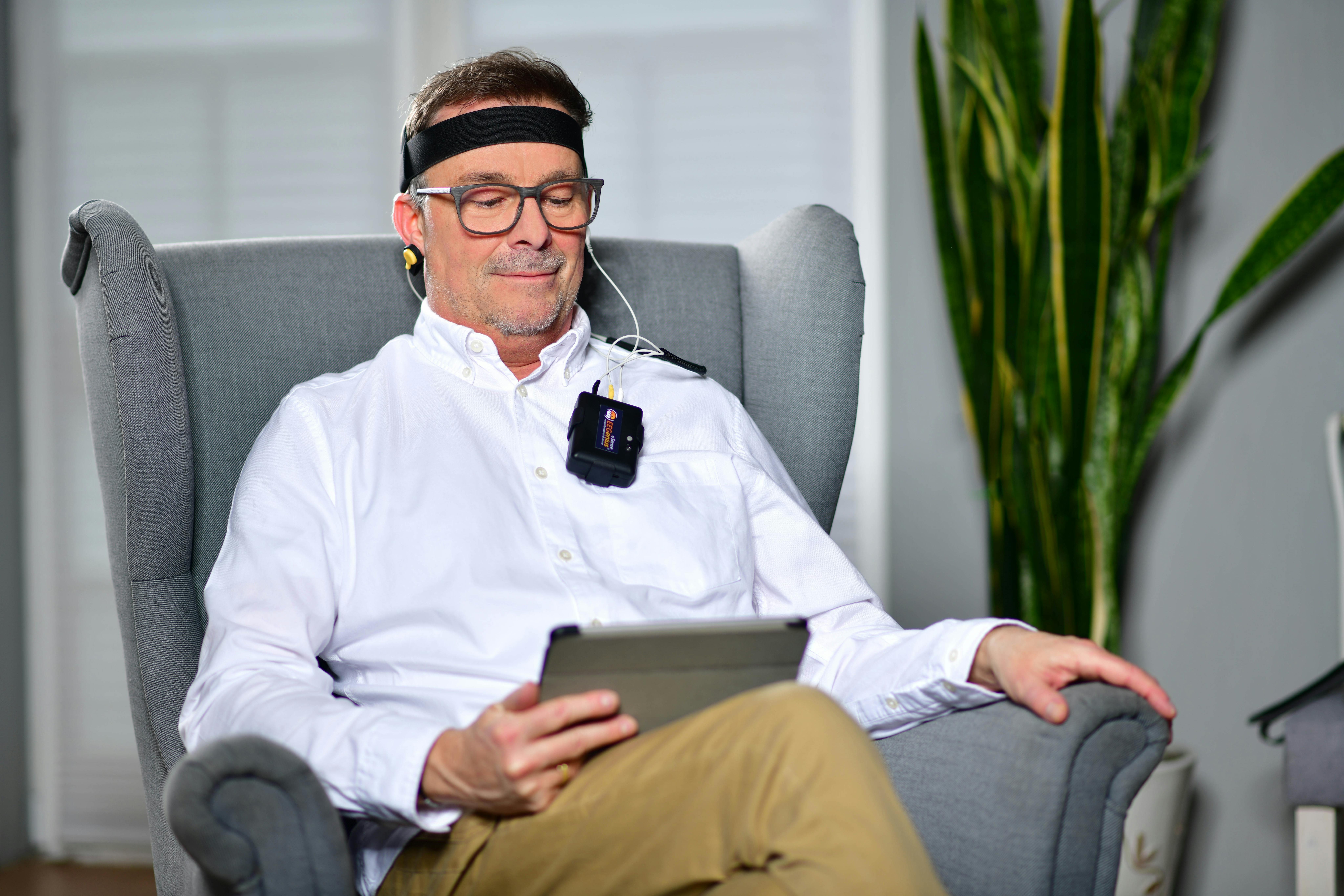
Your brain holds extraordinary capabilities for growth, adaptation, and peak performance—waiting to be unlocked through the power of neural self-regulation.

In today’s fast-paced world, the ability to regulate your nervous system has become more than just a wellness trend—it’s a fundamental skill for thriving in both personal and professional domains. Neural self-regulation refers to the brain’s capacity to monitor, evaluate, and modify its own processes to maintain optimal functioning. This remarkable ability allows us to manage stress, enhance focus, improve emotional resilience, and ultimately perform at our highest potential.
The emerging field of neuroscience has revealed that our brains are far more malleable than previously believed. Through targeted practices and modern technology, we can actively shape our neural pathways, creating lasting changes that support well-being and performance. This article explores the science behind neural self-regulation and provides practical tools you can implement immediately to transform your mental fitness and unlock capabilities you never knew you had.
🧠 Understanding the Neuroscience of Self-Regulation
Neural self-regulation operates through complex interactions between various brain regions, particularly the prefrontal cortex, amygdala, and the autonomic nervous system. The prefrontal cortex acts as your brain’s executive control center, managing decision-making, attention, and impulse control. Meanwhile, the amygdala processes emotional responses, especially those related to stress and threat detection.
When these systems work in harmony, you experience what researchers call “cognitive flexibility”—the ability to adapt thinking and behavior in response to changing circumstances. This flexibility is foundational to optimal performance, allowing you to remain calm under pressure, focus amid distractions, and recover quickly from setbacks.
The autonomic nervous system plays a crucial role through its two branches: the sympathetic (fight-or-flight) and parasympathetic (rest-and-digest) systems. Effective neural self-regulation means developing the capacity to shift between these states appropriately, activating alertness when needed and returning to calm recovery states efficiently.
Neuroplasticity: Your Brain’s Superpower
Neuroplasticity—the brain’s ability to reorganize itself by forming new neural connections—is the biological foundation that makes self-regulation training possible. Every time you practice a new skill or behavior, you’re literally rewiring your brain’s circuitry. This process continues throughout your entire life, meaning it’s never too late to develop better self-regulation capabilities.
Recent studies have shown that consistent practice of regulation techniques can increase gray matter density in brain regions associated with emotional regulation, self-awareness, and executive function. These structural changes translate into tangible improvements in daily life, from better stress management to enhanced decision-making abilities.
⚡ The Performance-Regulation Connection
High performers across all domains—from elite athletes to successful entrepreneurs—share a common trait: exceptional self-regulation skills. They’ve mastered the art of managing their internal states to match external demands, creating what psychologists call “state-performance alignment.”
When your nervous system is dysregulated, cognitive resources get diverted to threat detection and stress management, leaving less mental bandwidth for complex thinking, creativity, and sustained focus. Conversely, a well-regulated nervous system operates efficiently, allocating resources optimally and enabling peak performance states.
Research in performance psychology has identified several key benefits of enhanced neural self-regulation:
- Improved concentration and sustained attention during demanding tasks
- Enhanced emotional stability and reduced reactivity to stressors
- Faster recovery from setbacks and failures
- Greater access to creative problem-solving abilities
- Increased resilience and stress tolerance
- Better sleep quality and recovery
- Stronger interpersonal relationships and communication
🎯 Practical Neural Self-Regulation Techniques
Understanding the theory is valuable, but transformation comes through consistent practice. The following evidence-based techniques can be integrated into your daily routine to strengthen neural self-regulation capabilities.
Heart Rate Variability Training
Heart rate variability (HRV) refers to the variation in time between heartbeats and serves as a powerful indicator of nervous system flexibility. Higher HRV generally correlates with better stress resilience, emotional regulation, and overall health. Training to increase HRV involves practices that enhance parasympathetic nervous system activity.
Coherent breathing—breathing at a rate of approximately 5-6 breaths per minute—has been shown to optimize HRV and create coherence between heart rhythms and brain activity. This synchronization activates the prefrontal cortex while calming the amygdala, creating an ideal state for both performance and well-being.
To practice coherent breathing: inhale slowly for 5 counts, then exhale smoothly for 5 counts. Continue this pattern for 5-10 minutes daily. Many find it helpful to use biofeedback applications that provide real-time HRV data, making the practice more engaging and measurable.
Mindfulness-Based Attention Training
Mindfulness meditation has been extensively researched and consistently demonstrates powerful effects on neural self-regulation. Regular practice strengthens the prefrontal cortex, reduces amygdala reactivity, and enhances connectivity between brain regions involved in attention and emotional control.
A practical approach involves focused attention meditation: select an anchor for attention (such as breath sensations), notice when your mind wanders, and gently return focus to the anchor. This simple process trains the fundamental neural circuits of self-regulation—monitoring your mental state, detecting distraction, and redirecting attention.
Start with just 5 minutes daily and gradually increase duration. Consistency matters far more than session length. Even brief daily practice produces measurable brain changes within weeks.
Neurofeedback and Biofeedback Technology
Modern technology has made professional-grade regulation training accessible to everyone. Neurofeedback involves monitoring brain activity through EEG sensors and receiving real-time feedback, allowing you to learn conscious control over typically unconscious brain patterns.
Biofeedback apps and devices measure physiological markers like heart rate, breathing patterns, and skin conductance, providing immediate feedback that accelerates learning. This technology transforms abstract concepts into concrete, measurable progress, making self-regulation training more effective and motivating.
Cold Exposure Training
Deliberate cold exposure—through cold showers, ice baths, or winter swimming—provides a unique opportunity to practice self-regulation under controlled stress. The initial cold shock activates the sympathetic nervous system, triggering a fight-or-flight response. Learning to maintain calm breathing and mental composure during this activation trains regulatory resilience that transfers to other stressful situations.
Begin conservatively with 30-second cold shower finishes and gradually increase duration. The key is maintaining slow, controlled breathing despite the discomfort, training your nervous system to remain regulated even when challenged.
💪 Building Emotional Resilience Through Regulation
Emotional resilience—the capacity to maintain equilibrium during adversity—is perhaps the most valuable outcome of enhanced neural self-regulation. Resilient individuals don’t experience less stress; they regulate their responses more effectively, preventing temporary challenges from becoming chronic problems.
The window of tolerance concept provides a useful framework for understanding emotional regulation. This “window” represents the zone where you can effectively process experiences and emotions. When you exceed the upper boundary, you become hyperaroused (anxious, reactive, overwhelmed). When you drop below the lower boundary, you become hypoaroused (numb, disconnected, depressed).
Self-regulation practices widen your window of tolerance, allowing you to remain functional across a broader range of circumstances. This expansion happens through both top-down regulation (conscious cognitive strategies) and bottom-up regulation (body-based approaches that influence the nervous system directly).
Cognitive Reappraisal Strategies
Cognitive reappraisal involves consciously reinterpreting situations to change their emotional impact. This top-down approach engages the prefrontal cortex to modulate amygdala activity, effectively turning down the volume on stress responses.
When facing a challenging situation, practice asking: “What’s another way to view this?” or “How might I see this differently in a year?” These questions activate analytical thinking, creating distance from automatic emotional reactions and opening space for more adaptive responses.
Somatic Regulation Techniques
Body-based approaches work through the bottom-up pathway, using physical interventions to influence nervous system states. Since the body and brain constantly communicate bidirectionally, changing bodily states directly impacts mental and emotional states.
Progressive muscle relaxation involves systematically tensing and releasing muscle groups, training awareness of tension patterns and building capacity to release physical stress. This practice enhances interoception—awareness of internal bodily states—which is foundational to effective self-regulation.
🌟 Creating Your Personal Regulation Practice
Knowledge becomes transformation only through consistent application. Building a sustainable self-regulation practice requires thoughtful planning and realistic goal-setting.
The Micro-Practice Approach
Rather than attempting dramatic lifestyle overhauls, focus on integrating brief practices throughout your day. Research shows that multiple short sessions often produce better results than single extended sessions, particularly when building new habits.
Consider this daily framework:
- Morning: 5 minutes of mindful breathing or meditation to set your regulatory tone for the day
- Midday: 2-minute breathing break or brief walk to reset attention and energy
- Transitions: Conscious breathing between activities to prevent stress accumulation
- Evening: 10 minutes of reflection or relaxation practice to facilitate recovery
Tracking Progress and Adaptation
Measuring progress in neural self-regulation can feel challenging since many benefits are subjective. However, tracking key indicators helps maintain motivation and identify what works best for you.
Consider monitoring:
| Metric | Measurement Method | Frequency |
|---|---|---|
| Subjective Stress Levels | Daily 1-10 rating | Evening |
| Sleep Quality | Sleep app or journal | Morning |
| Focus Duration | Time before distraction | During work sessions |
| Emotional Reactivity | Number of reactive moments | Daily reflection |
| HRV Measurement | Biofeedback device | Morning baseline |
🚀 Optimizing Your Environment for Regulation
Your environment significantly influences nervous system regulation. Strategic environmental design can make self-regulation easier and more automatic.
Lighting affects circadian rhythms and alertness. Prioritize natural light exposure, especially in morning hours, and reduce blue light in the evening to support healthy sleep-wake cycles. Poor sleep is one of the fastest ways to impair self-regulation capacity.
Noise management matters more than most realize. Chronic background noise activates stress responses and depletes regulatory resources. Create quiet zones for focused work and use noise-canceling headphones when necessary.
Social environment also plays a crucial role. Nervous systems are contagious—we unconsciously synchronize with those around us. Surrounding yourself with regulated individuals supports your own regulation, while chronic exposure to dysregulated environments makes self-regulation more difficult.
🔄 Integrating Regulation Into High-Pressure Situations
The true test of neural self-regulation comes during demanding situations—important presentations, difficult conversations, tight deadlines, or unexpected crises. These moments require accessing regulation skills under pressure.
Pre-performance routines help activate optimal states before challenging situations. Elite performers across domains use consistent routines to trigger the neurological and physiological states associated with their best performance. Your routine might include specific breathing patterns, physical movements, or mental rehearsal—the key is consistency so the routine becomes a reliable trigger for your ideal state.
Real-time regulation during stressful moments becomes easier with practice. Simple techniques like box breathing (inhale-4, hold-4, exhale-4, hold-4) can quickly downregulate stress responses. The physiological sigh—two quick inhales through the nose followed by an extended exhale—rapidly reduces stress markers and can be done discreetly in any situation.
🌱 The Compound Effect of Consistent Practice
Neural self-regulation improvements follow a compound growth pattern—early gains might feel modest, but consistent practice produces exponential returns over time. The brain changes you’re creating are cumulative, each practice session building on previous ones.
Many people report noticeable changes within 2-3 weeks of daily practice, with more substantial transformations emerging after 2-3 months. At this point, regulation often becomes more automatic, requiring less conscious effort as new neural pathways become established.
The long-term benefits extend beyond immediate performance improvements. Enhanced self-regulation protects against burnout, supports longevity, improves relationship quality, and contributes to life satisfaction. You’re not just optimizing for today’s performance—you’re building a foundation for sustained well-being throughout your life.

✨ Your Regulation Journey Starts Now
The capacity for neural self-regulation already exists within you—these tools simply help you access and strengthen it. Start with one technique that resonates with you rather than attempting to implement everything at once. Consistency with a single practice beats sporadic experimentation with multiple approaches.
Remember that self-regulation is a skill, not a trait. Like any skill, it improves with practice and atrophies without use. There will be days when regulation feels effortless and others when it feels impossible—this variability is normal and expected. Progress happens through persistence, not perfection.
As you develop these capabilities, you’ll likely notice ripple effects extending beyond what you initially targeted. Better stress management might improve your relationships. Enhanced focus might unlock creative insights. Improved sleep might boost physical health. This interconnectedness reflects the integrated nature of nervous system function—regulating one aspect supports regulation across all domains.
Your brain’s potential for growth, adaptation, and optimal performance is extraordinary. By harnessing neural self-regulation tools, you’re not just coping better with challenges—you’re fundamentally expanding your capacity to thrive. The journey of unlocking your potential through neural self-regulation is both deeply personal and universally accessible. The tools are available, the science is sound, and the time to begin is now.