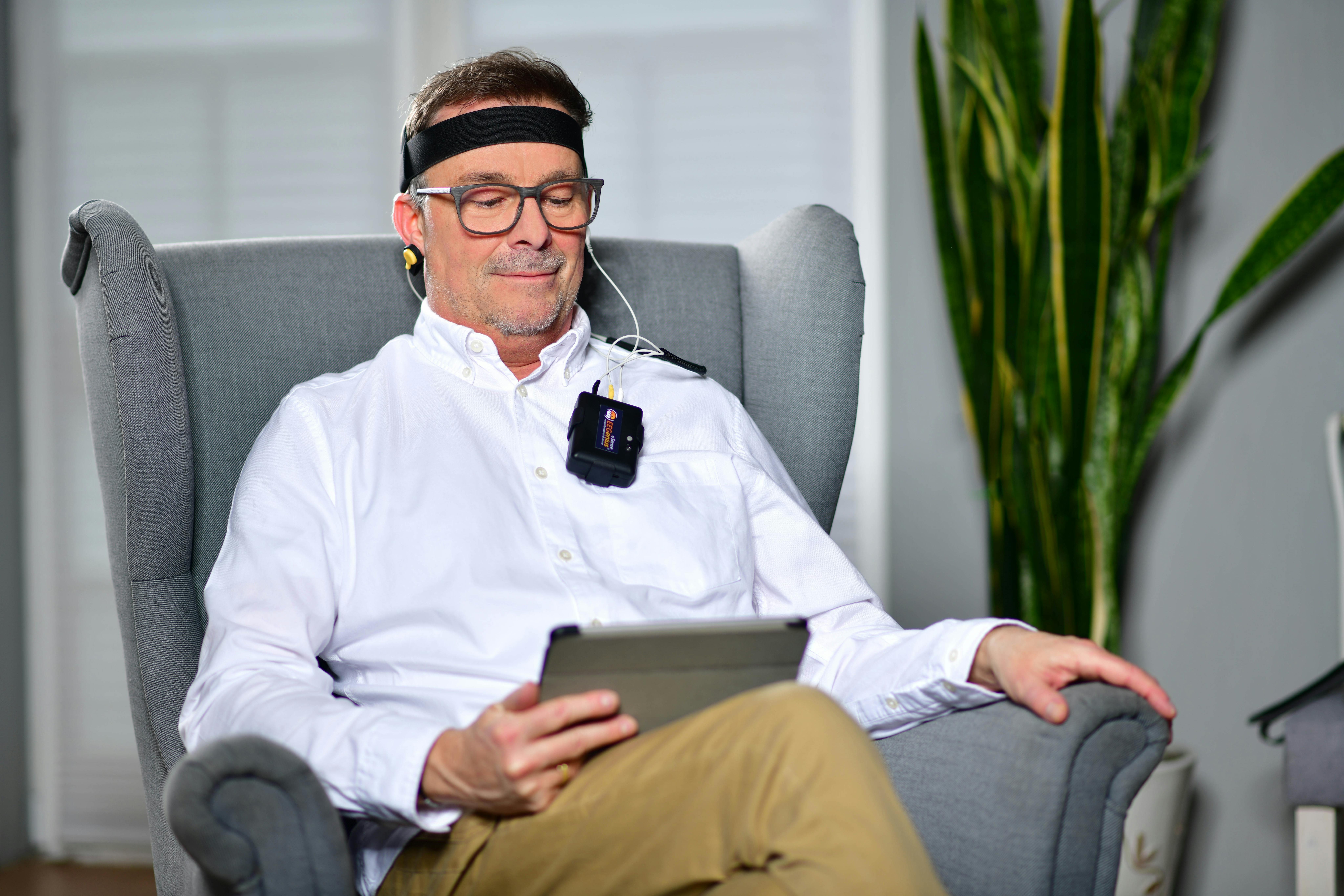
In today’s fast-paced world, achieving peak mental performance isn’t just a luxury—it’s a necessity. Brainwave training devices offer a scientifically-backed pathway to unlock cognitive potential.

🧠 The Science Behind Brainwave Training Technology
Your brain operates on electrical impulses that create distinct patterns called brainwaves. These neural oscillations correspond to different mental states, from deep sleep to heightened alertness. Brainwave training devices work by detecting these patterns and providing real-time feedback, allowing you to consciously influence your mental state.
Neuroscientists have identified five primary brainwave frequencies: Delta (0.5-4 Hz) associated with deep sleep, Theta (4-8 Hz) linked to meditation and creativity, Alpha (8-13 Hz) present during relaxed awareness, Beta (13-30 Hz) dominant during active thinking, and Gamma (30-100 Hz) connected to peak cognitive performance. Understanding these frequencies is fundamental to harnessing brainwave training effectively.
Modern brainwave training devices utilize electroencephalography (EEG) sensors to monitor your brain’s electrical activity. These portable devices have evolved from bulky laboratory equipment into sleek, consumer-friendly headbands and headsets that you can use at home or in the office.
Why Focus and Productivity Are Modern Challenges
The digital age has transformed how we work, but it’s also created unprecedented challenges for maintaining focus. Research indicates that the average person checks their phone over 150 times daily, fragmenting attention and disrupting deep work. This constant context-switching diminishes cognitive performance and leaves us feeling mentally exhausted despite not accomplishing meaningful tasks.
The productivity paradox affects millions of professionals worldwide. Despite having more tools and technology than ever before, many people struggle to maintain concentration for extended periods. Studies show that it takes an average of 23 minutes to fully refocus after an interruption, making sustained productivity increasingly elusive.
Stress, inadequate sleep, information overload, and environmental distractions all contribute to diminished cognitive capacity. Traditional solutions like caffeine provide temporary boosts but don’t address the underlying neural patterns that govern attention and focus. This is where brainwave training devices offer a revolutionary approach.
How Brainwave Training Devices Transform Mental Performance 🎯
Brainwave training devices employ neurofeedback technology to help you develop better control over your mental states. By providing real-time data about your brain activity, these devices enable you to recognize when you’re in optimal focus states and learn techniques to return to these states on demand.
The training process works through operant conditioning—a learning mechanism where your brain receives immediate feedback when producing desired brainwave patterns. Over time, this creates lasting neuroplastic changes, essentially teaching your brain to access high-performance states more readily.
Most devices pair with smartphone applications that guide you through structured training sessions. These apps typically offer meditation exercises, focus games, and cognitive tasks designed to strengthen specific neural pathways. The combination of hardware sensors and software guidance creates a comprehensive training ecosystem.
Key Benefits You Can Experience
- Enhanced concentration span: Regular training can increase your ability to maintain focus for extended periods, with users reporting improvements of 30-40% in sustained attention tasks
- Stress reduction: Learning to shift into alpha and theta states helps activate the parasympathetic nervous system, reducing cortisol levels and promoting relaxation
- Improved sleep quality: Training to produce more delta waves before bedtime can lead to deeper, more restorative sleep
- Greater cognitive flexibility: The ability to consciously shift between different brainwave states enhances mental agility and creative problem-solving
- Reduced anxiety: Consistent practice helps regulate emotional responses and build resilience against stressors
- Accelerated learning: Optimized brainwave patterns facilitate better information retention and faster skill acquisition
Choosing the Right Brainwave Training Device for Your Needs
The market offers diverse options ranging from premium professional-grade devices to affordable entry-level models. Understanding the key features and differences helps you make an informed decision aligned with your goals and budget.
Professional-grade devices typically feature multiple EEG sensors (4-8 channels), providing more precise readings and comprehensive brain mapping. These devices offer advanced analytics and customizable training protocols but come with higher price points, usually between $500-2000.
Consumer-friendly models generally have 2-4 sensors and focus on specific applications like meditation, focus enhancement, or sleep improvement. These devices cost between $200-500 and offer excellent value for individuals beginning their brainwave training journey.
Essential Features to Consider
When evaluating brainwave training devices, sensor quality stands paramount. Medical-grade sensors provide the most accurate readings, though high-quality consumer sensors suffice for most personal training applications. Look for devices with dry sensors that don’t require conductive gel, as they’re more convenient for daily use.
Battery life matters significantly if you plan extended training sessions or travel frequently with your device. Most quality devices offer 4-8 hours of continuous use per charge. The accompanying mobile application’s quality directly impacts your training experience—prioritize devices with intuitive interfaces, comprehensive training programs, and regular software updates.
Comfort and fit cannot be overlooked since you’ll wear the device during training sessions. Adjustable headbands with breathable materials ensure you can train without distraction. Some devices offer modular designs that work during various activities, from seated meditation to walking exercises.
Implementing Effective Brainwave Training Routines ⚡
Success with brainwave training requires consistency rather than intensity. Neuroscientists recommend starting with short 10-15 minute sessions daily, gradually increasing duration as you become more comfortable with the practice. This approach prevents mental fatigue and allows your brain to adapt progressively.
Morning sessions often yield optimal results for focus training, as your brain is naturally more receptive to learning after adequate rest. Evening sessions work better for stress reduction and sleep preparation, helping you wind down from daily demands. Experiment with timing to discover what aligns best with your circadian rhythms and lifestyle.
Creating a dedicated training environment enhances effectiveness. Choose a quiet space with minimal distractions, comfortable seating, and appropriate lighting. Some practitioners prefer dimmed lights for relaxation training and natural light for focus sessions. Consistency in location helps condition your brain to enter training mode more quickly.
Progressive Training Strategies
Begin your journey with baseline assessment sessions to understand your current brainwave patterns. Most quality devices include assessment protocols that measure your brain’s natural tendencies across different states. This data becomes your reference point for tracking progress.
The initial training phase focuses on awareness rather than control. Spend the first two weeks simply observing how your brainwaves respond to different mental activities, emotions, and environmental factors. This observation builds the neural awareness necessary for effective control later.
Once comfortable with awareness, progress to active training where you attempt to shift your brainwave patterns intentionally. Start with simple state transitions, such as moving from beta to alpha waves. The device provides feedback when you successfully achieve target states, reinforcing the neural pathways involved.
Combining Brainwave Training with Complementary Practices
Brainwave training delivers enhanced results when integrated with other evidence-based cognitive optimization techniques. This synergistic approach addresses mental performance from multiple angles, creating compound benefits that exceed isolated interventions.
Meditation naturally complements brainwave training since both practices enhance neural regulation and self-awareness. Many users find that traditional mindfulness practices become easier after beginning neurofeedback training, as they develop better recognition of optimal meditative states. Conversely, experienced meditators often progress faster with brainwave training due to their existing mental discipline.
Physical exercise profoundly impacts brain function and enhances training outcomes. Aerobic activity increases cerebral blood flow, promotes neurogenesis, and optimizes neurotransmitter production—all factors that support effective brainwave training. Scheduling exercise before training sessions can prime your brain for optimal responsiveness.
Nutritional Support for Optimal Brain Function
Your brain’s physical substrate requires proper nutrition to generate and regulate brainwaves effectively. Omega-3 fatty acids, particularly DHA, support neural membrane health and improve signal transmission between neurons. Foods rich in antioxidants protect brain cells from oxidative stress that can impair cognitive function.
Adequate hydration matters more than many realize—even mild dehydration impairs cognitive performance and disrupts normal brainwave patterns. Aim for consistent water intake throughout the day, particularly before and during training sessions.
Strategic supplementation may enhance results, though consult healthcare professionals before adding supplements. Magnesium supports healthy neural function and can improve alpha wave production. L-theanine promotes alpha wave activity and helps achieve calm focus states that many brainwave training protocols target.
Measuring Progress and Maintaining Motivation 📊
Tracking your development with brainwave training requires both subjective and objective measures. Most quality devices include progress dashboards that visualize changes in your brainwave patterns over time, showing trends in your ability to access different states and maintain them for extended periods.
Subjective tracking involves journaling about real-world changes in focus, productivity, stress levels, and sleep quality. Many practitioners find that noticeable improvements in daily functioning precede measurable changes in brainwave metrics. Recording these observations helps maintain motivation during plateaus.
Establish specific, measurable goals aligned with your primary training objectives. Rather than vague aims like “better focus,” set concrete targets such as “maintain alpha state during 25-minute work blocks” or “reduce time to fall asleep from 45 to 20 minutes.” These specific goals provide clear feedback about your progress.
Overcoming Common Challenges
Initial inconsistency represents the most common obstacle for new practitioners. Life’s demands make it easy to skip sessions, but irregular training significantly reduces effectiveness. Treat your practice like any important appointment by scheduling it consistently and protecting that time from interruptions.
Some users experience frustration when they don’t see immediate results. Remember that meaningful neuroplastic changes require time—typically 4-8 weeks of consistent practice before substantial improvements become apparent. Trust the process and focus on gradual refinement rather than dramatic breakthroughs.
Technical challenges occasionally arise with device connectivity, sensor placement, or app functionality. Most manufacturers offer comprehensive support resources including video tutorials, troubleshooting guides, and responsive customer service. Don’t let technical hiccups derail your commitment to the practice.
The Future of Cognitive Enhancement Technology 🚀
Brainwave training technology continues evolving rapidly, with emerging innovations promising even more powerful capabilities. Artificial intelligence integration enables devices to automatically adjust training protocols based on your progress, creating truly personalized cognitive enhancement programs that adapt to your unique neural patterns.
Miniaturization advances are producing increasingly discreet devices that can be worn throughout daily activities rather than only during dedicated training sessions. This “always-on” monitoring provides richer data about how real-world situations affect your brainwaves, enabling more contextually relevant training.
Cloud-based analytics platforms now allow practitioners to compare their progress against aggregated data from thousands of users, providing benchmarks and identifying optimal training strategies based on collective experience. Some platforms even facilitate virtual training groups where members support each other’s development.
Integration with virtual and augmented reality represents an exciting frontier. These immersive environments can create ideal conditions for specific brainwave states while providing engaging contexts that make training feel less like work and more like exploration.
Taking the First Step Toward Enhanced Mental Performance
Beginning your brainwave training journey doesn’t require perfect conditions or extensive preparation. The most important factor is simply starting with consistent, deliberate practice. Even modest initial investments in time and equipment can yield significant returns in cognitive capacity.
Research thoroughly before purchasing a device, but avoid analysis paralysis that prevents action. Most reputable manufacturers offer trial periods or satisfaction guarantees, allowing you to experiment risk-free. Start with a device that matches your primary goal—whether that’s improved focus, better sleep, or stress reduction.
Connect with communities of practitioners through online forums, social media groups, or local meetups. These connections provide motivation, troubleshooting assistance, and inspiration from others’ success stories. The collective wisdom of experienced users accelerates your learning curve significantly.
Your brain possesses remarkable capacity for adaptation and optimization. Brainwave training devices provide the tools and feedback necessary to consciously direct that neuroplasticity toward peak performance. The technology isn’t magic—it’s applied neuroscience that empowers you to take control of your cognitive destiny.
Whether you’re a professional seeking competitive advantage, a student optimizing learning capacity, or simply someone wanting to experience greater mental clarity and reduced stress, brainwave training offers a proven pathway. The combination of ancient mindfulness principles with cutting-edge neurotechnology creates unprecedented opportunities for personal development.
The investment you make in brainwave training extends far beyond the device itself. You’re investing in enhanced relationships through better emotional regulation, improved career performance through sharper focus, and greater life satisfaction through reduced stress and anxiety. These compound benefits accumulate over time, making early adoption increasingly valuable.
Start your journey today with realistic expectations and genuine commitment. Dedicate yourself to consistent practice for at least eight weeks before evaluating results. Document your baseline performance in key areas, maintain regular training sessions, and track both objective metrics and subjective experiences. The transformation in your cognitive capabilities will speak for itself, validating your decision to harness the remarkable power of brainwave training technology.